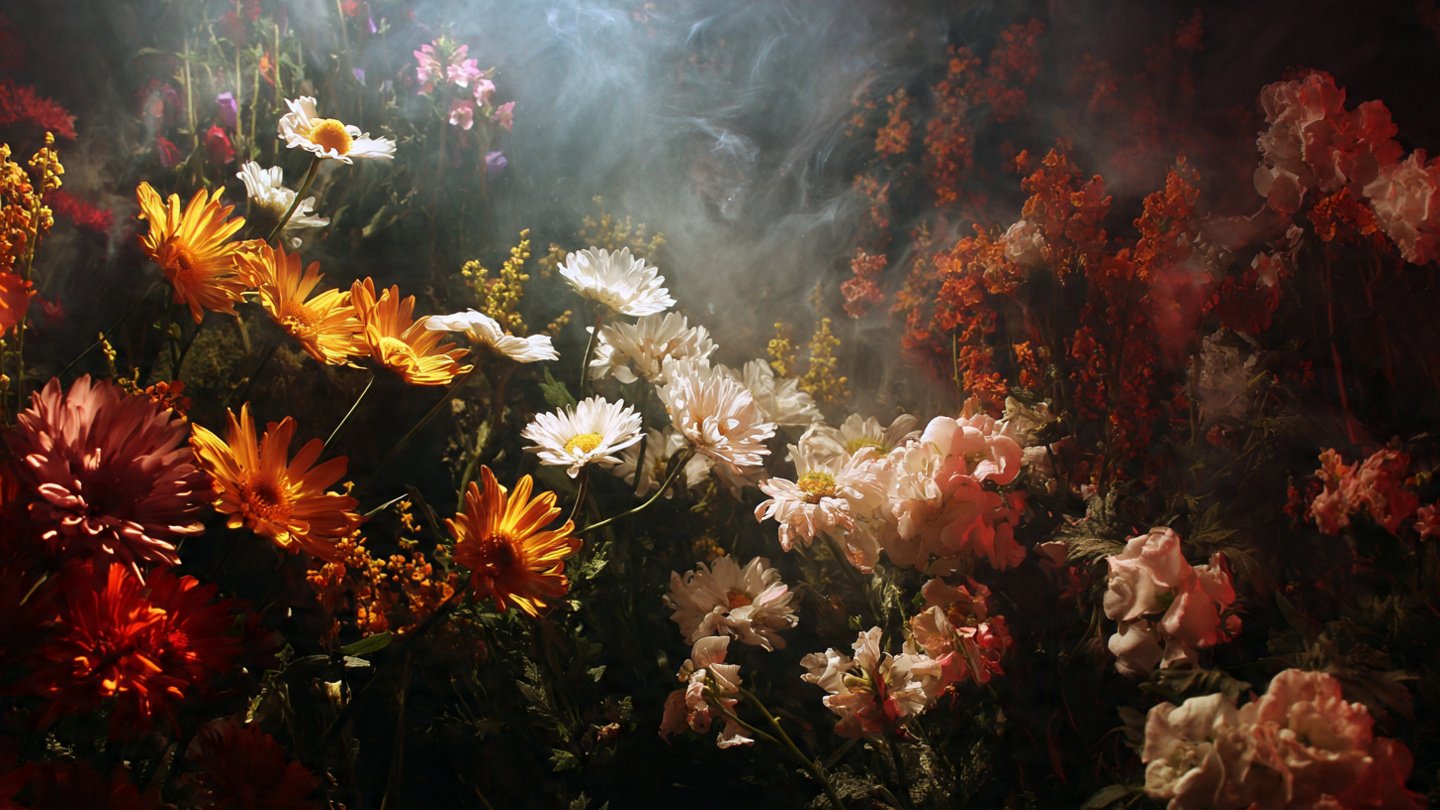
Flowers, often seen as delicate and fragile, possess remarkable strategies for coping with extreme heat. As global temperatures rise due to climate change, understanding these adaptive mechanisms becomes crucial for their survival. This article delves into the various ingenious ways flowers have evolved to protect themselves from intense heat.
The Biology of Thermal Stress in Flowers
Like all living organisms, flowers are subject to thermal stress, which can lead to wilting, reduced photosynthesis, and even death. The primary factors affecting flowers during extreme heat include:
- Increased transpiration rates, leading to water loss.
- Decreased cellular function and enzyme activity.
- Impact on pollination and fertilization processes.
Understanding these factors allows us to appreciate the adaptations flowers have to mitigate such challenges.
Adaptive Mechanisms
1. Leaf Structure Modifications
Many flowers possess leaves that are adapted to minimize sun exposure. For instance:
- Leaf Angle: Some plants adjust the angle of their leaves to minimize direct sunlight exposure.
- Thicker Cuticles: Many species develop a thicker cuticle, which helps retain moisture and decreases evaporation.
- Hairy Leaves: Trichomes, or tiny hairs, on leaves can reflect sunlight and provide shade, reducing leaf temperature.
2. Water Regulation
The ability to manage water effectively is vital for flowers during heatwaves. They employ various strategies, such as:
- Dormancy: Some flowers enter a dormant state during extreme heat, conserving energy and water.
- Root Depth: Flowers with deeper root systems can access moisture from deeper soil layers.
- Crassulacean Acid Metabolism (CAM): Certain plants, like succulents, utilize CAM photosynthesis, which allows them to open stomata at night to reduce water loss.
3. Pigmentation Adjustments
Floral pigmentation plays an essential role in heat management. Pigments can absorb or reflect sunlight, affecting the flower’s temperature. Key adaptations include:
- Dark Pigments: Some flowers produce dark pigments that can absorb sunlight but also develop mechanisms that allow excess heat to dissipate.
- Reflective Surfaces: Certain varieties have lighter-colored petals that reflect light, keeping them cooler.
4. Flower Timing
Many flowers have adapted their blooming schedules to hotter climates. This temporal strategy helps avoid the harshest sunlight, ensuring better survival chances:
- Early Blooms: Some flowers bloom in early spring or late summer when temperatures are milder.
- Nocturnal Pollination: Certain species have evolved to attract nocturnal pollinators, blooming at night or in the cooler parts of the day.
5. Mutualistic Relationships
Flowers also engage in mutualistic relationships with other organisms, aiding their survival during intense heat:
- Shade Providers: Some flowers grow alongside larger plants that provide shade during the hottest part of the day.
- Beneficial Microbes: Symbiotic relationships with soil microbes help flowers access water and nutrients more efficiently during stress periods.
The Role of Climate and Environment
The environment plays a fundamental role in dictating how flowers adapt to heat. Different ecosystems pose unique challenges:
- Deserts: Flowers in arid environments exhibit extreme adaptations like drought resistance and CAM photosynthesis.
- Tropical Regions: Rainforest flowers may adapt by using larger leaves for improved transpiration and moisture retention.
Understanding these ecological frameworks helps explain why certain flowers are more resilient than others.
The Future of Flowers in a Warming World
The ongoing impacts of climate change mean that the adaptive strategies of flowers will be put to the test. As temperatures continue to rise, flowers will face new challenges, including:
- Increased frequency and duration of heatwaves.
- Shifts in pollinator populations and dynamics.
- Changes in soil moisture and nutrient availability.
It is crucial to monitor how these factors influence flower populations, distribution, and survival rates to ensure effective conservation efforts.
Conclusion
Flowers, while often perceived as delicate, possess a remarkable array of strategies to protect themselves from intense heat. Through structural adaptations, water regulation, pigmentation adjustments, timing of blooms, and mutualistic relationships, they demonstrate an incredible resilience. As the world continues to warm, understanding these adaptations not only enriches our appreciation for floral life but also highlights the necessity of protecting these vital species in an ever-changing environment.
FAQs
1. How do flowers lose water during heat?
Flowers lose water primarily through a process called transpiration, where water evaporates from the leaves and petals. During extreme heat, transpiration rates increase, potentially leading to drought stress if not mitigated.
2. Can all flowers adapt to high temperatures?
Not all flowers can adapt to high temperatures equally. Some species are more specialized and may struggle in changing climates. General resilience varies based on genetic, ecological, and environmental factors.
3. What role do pollinators play during heatwaves?
Pollinators are crucial for reproduction, and during heatwaves, many may become less active or seek cooler areas. This shift can impact pollination rates and, consequently, flower reproduction and diversity.
4. How can we help flowers adapt to climate change?
Promoting biodiversity, preserving natural habitats, and reducing carbon footprints are essential ways to support flowers and other plants as they adapt to climate change. Planting native species can also enhance local ecosystems.
5. Are there any flowers particularly well-suited for hotter climates?
Yes, several flowers are suited for hotter climates, including desert species like the Saguaro cactus flower and heat-tolerant varieties like Zinnias and Marigolds. These species exhibit adaptations that allow them to thrive in extreme conditions.