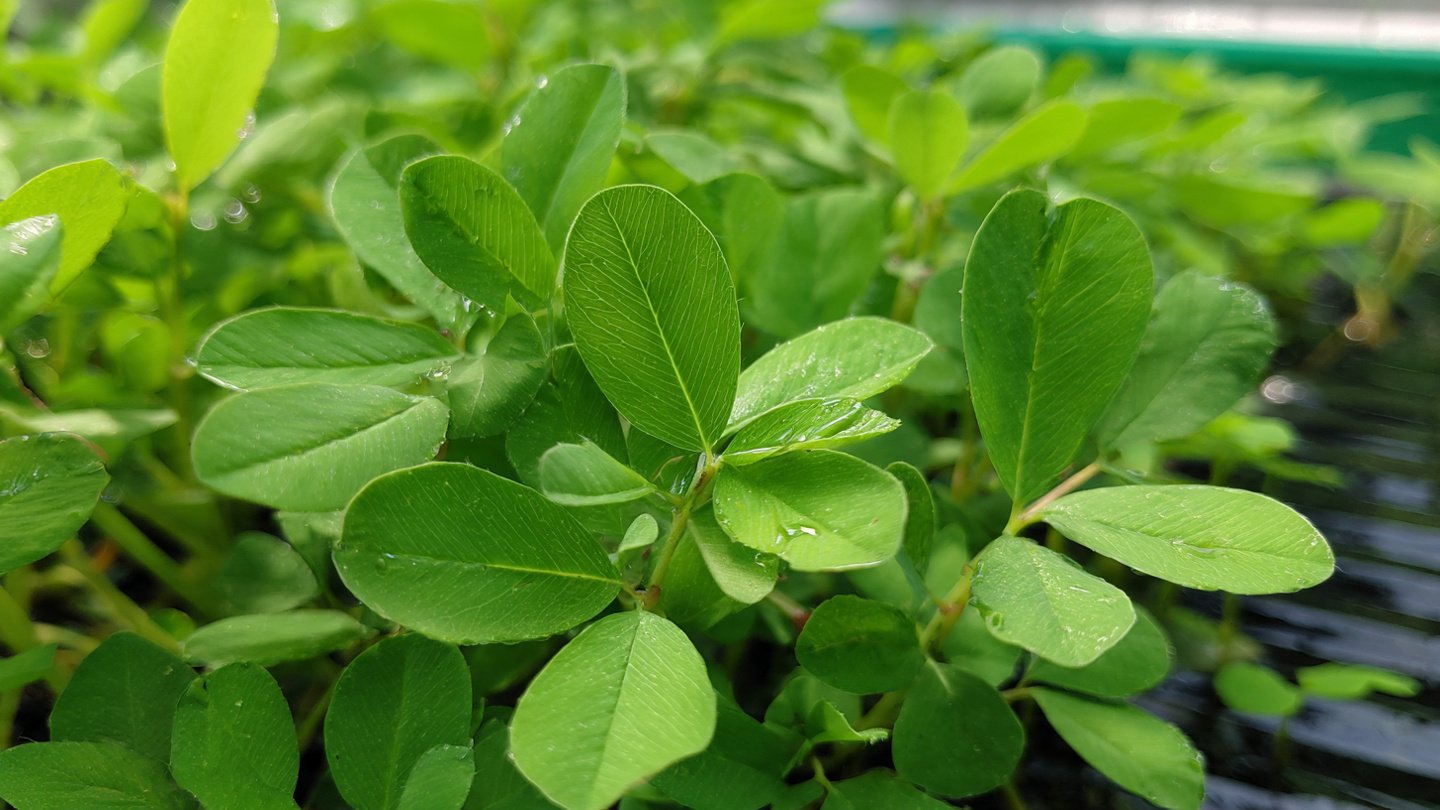
Certainly! Here’s a comprehensive 1500-word article on how to boost fast fenugreek leaf growth using the best method:
Fenugreek, scientifically known as Trigonella foenum-graecum, is a versatile herb prized for its numerous health benefits and culinary uses. From its slightly bitter, nutty flavor to its therapeutic properties, fenugreek leaves are a valuable addition to any kitchen garden. However, growing fenugreek leaves quickly and abundantly requires the right approach. In this article, we will explore the best methods to boost fast fenugreek leaf growth, focusing on soil preparation, seed selection, watering, lighting, and other cultivation techniques.
Understanding Fenugreek and Its Growth Requirements
Before diving into growth enhancement techniques, it’s essential to understand fenugreek’s natural growth habits and requirements:
- Climate: Fenugreek thrives in warm, temperate climates.
- Soil: It prefers well-draining, fertile soil with a neutral pH (between 6.0 and 7.0).
- Water: Consistent moisture is necessary, but the soil should not be waterlogged.
- Light: Fenugreek requires full sunlight for optimal leaf production.
By meeting these basic needs, you set the stage for healthy, vigorous fenugreek growth.
1. Selecting High-Quality Seeds
The foundation of fast fenugreek leaf growth lies in starting with the best seeds. Choose seeds that are:
- Fresh and viable (preferably less than a year old).
- Free from pests and diseases.
- From a reputable supplier or organically sourced.
High-quality seeds have a better germination rate and produce stronger seedlings, leading to quicker leaf development.
2. Soil Preparation for Optimal Growth
Fenugreek flourishes in loose, fertile soil rich in organic matter.
Steps for Soil Preparation:
- Test the Soil pH: Use a soil testing kit to ensure the pH is between 6.0 and 7.0.
- Add Compost: Mix well-decomposed compost or organic manure into the soil to improve fertility and texture.
- Ensure Good Drainage: If your soil is heavy clay, amend it with sand or perlite to enhance drainage.
- Loosen the Soil: Break up clumps and till the soil to create a fine, crumbly texture for easy root penetration.
Well-prepared soil encourages faster root establishment and robust leaf growth.
3. Seed Sowing Techniques to Maximize Growth Speed
How you sow fenugreek seeds can affect their germination time and subsequent leaf growth:
- Soak Seeds Before Planting: Soak seeds in water for 6-8 hours before sowing. This softens the seed coat and speeds up germination.
- Sow at Optimal Depth: Sow seeds at a shallow depth of about 0.5 to 1 inch.
- Adequate Spacing: Maintain spacing of about 2-3 inches between seeds to reduce competition for nutrients.
- Use Seed Trays: For faster growth, start seeds indoors in seed trays or pots, then transplant seedlings once they’re strong enough.
4. Watering for Rapid Growth
Water management is critical for boosting fenugreek leaf growth:
- Consistent Moisture: Keep the soil consistently moist, especially during the germination phase and early growth.
- Avoid Waterlogging: Overwatering can cause root rot, stunting growth.
- Use Mulch: Mulching helps retain moisture and regulate soil temperature, fostering faster growth.
Watering early in the morning or late evening reduces evaporation and ensures more water reaches the roots.
5. Lighting Conditions for Quick Leaf Development
Fenugreek needs plenty of sunlight:
- Full Sun Exposure: Ensure the plants receive at least 6 hours of direct sunlight daily.
- Supplement with Grow Lights: In low-light environments or during winter, use full-spectrum grow lights to mimic sunlight.
- Rotate Plants: If growing indoors, rotate plants regularly to ensure even leaf growth.
Adequate light promotes photosynthesis, which is crucial for rapid leaf expansion and density.
6. Fertilization Practices
Feeding the plants correctly can accelerate leaf growth:
- Use Balanced Fertilizer: Apply a balanced nitrogen-phosphorus-potassium (NPK) fertilizer, with a slight emphasis on nitrogen, essential for leafy growth.
- Organic Alternatives: Use organic options like fish emulsion, seaweed extract, or compost tea for a natural boost.
- Avoid Over-fertilizing: Too much fertilizer can lead to lush foliage but weak plants prone to pests.
Apply fertilizer every 2-3 weeks during the growing season for continuous leaf production.
7. Temperature and Humidity Control
Fenugreek thrives in moderate temperatures:
- Ideal Temperature: 50°F to 85°F (10°C to 29°C) is perfect for fast growth.
- Avoid Extreme Conditions: Extreme heat or cold slows leaf growth.
- Maintain Humidity: Fenugreek prefers moderate humidity. In dry climates, mist plants regularly or use a humidity tray.
Controlling temperature and humidity helps fenugreek maintain healthy metabolism and growth rate.
8. Pest and Disease Management for Healthy Growth
Pests and diseases can slow down or halt fenugreek leaf growth:
- Common Pests: Aphids, leaf miners, and caterpillars.
- Organic Solutions: Use neem oil, insecticidal soap, or hand-pick pests.
- Disease Prevention: Ensure good air circulation, avoid overhead watering, and rotate crops.
Healthy plants grow faster and produce more leaves.
9. Harvesting Tips to Promote Regrowth
Frequent harvesting encourages the plant to produce more leaves:
- Start Harvesting Early: Begin leaf picking when plants reach 6-8 inches height.
- Use Sharp Scissors: Cut leaves carefully, avoiding damage to the stem.
- Leave Some Leaves: Always leave some leaves on the plant for photosynthesis and regrowth.
Regular harvesting cycles lead to continual leafy growth.
10. Advanced Techniques for Boosting Growth
Hydroponics for Rapid Fenugreek Growth
Growing fenugreek hydroponically can accelerate growth by providing nutrients directly to the roots and maintaining optimal moisture and oxygen levels. Hydroponic systems often result in faster growth cycles compared to soil cultivation.
Growth Hormones and Supplements
Using natural growth stimulants like seaweed extract or humic acid can improve nutrient uptake and stimulate faster leaf growth.
Conclusion
Boosting fast fenugreek leaf growth involves a combination of proper seed selection, optimal soil preparation, controlled watering, adequate lighting, balanced fertilization, pest management, and proper harvesting practices. Whether growing fenugreek in your garden or indoors, applying these best practices will result in a healthy, fast-growing crop rich in nutritious and flavorful leaves.
By following these methods, gardeners and growers can enjoy bountiful fenugreek harvests, maximizing the benefits of this remarkable herb both in the kitchen and for health.
If you want, I can also provide a printable checklist or a step-by-step guide for quick fenugreek growth. Would you like that?