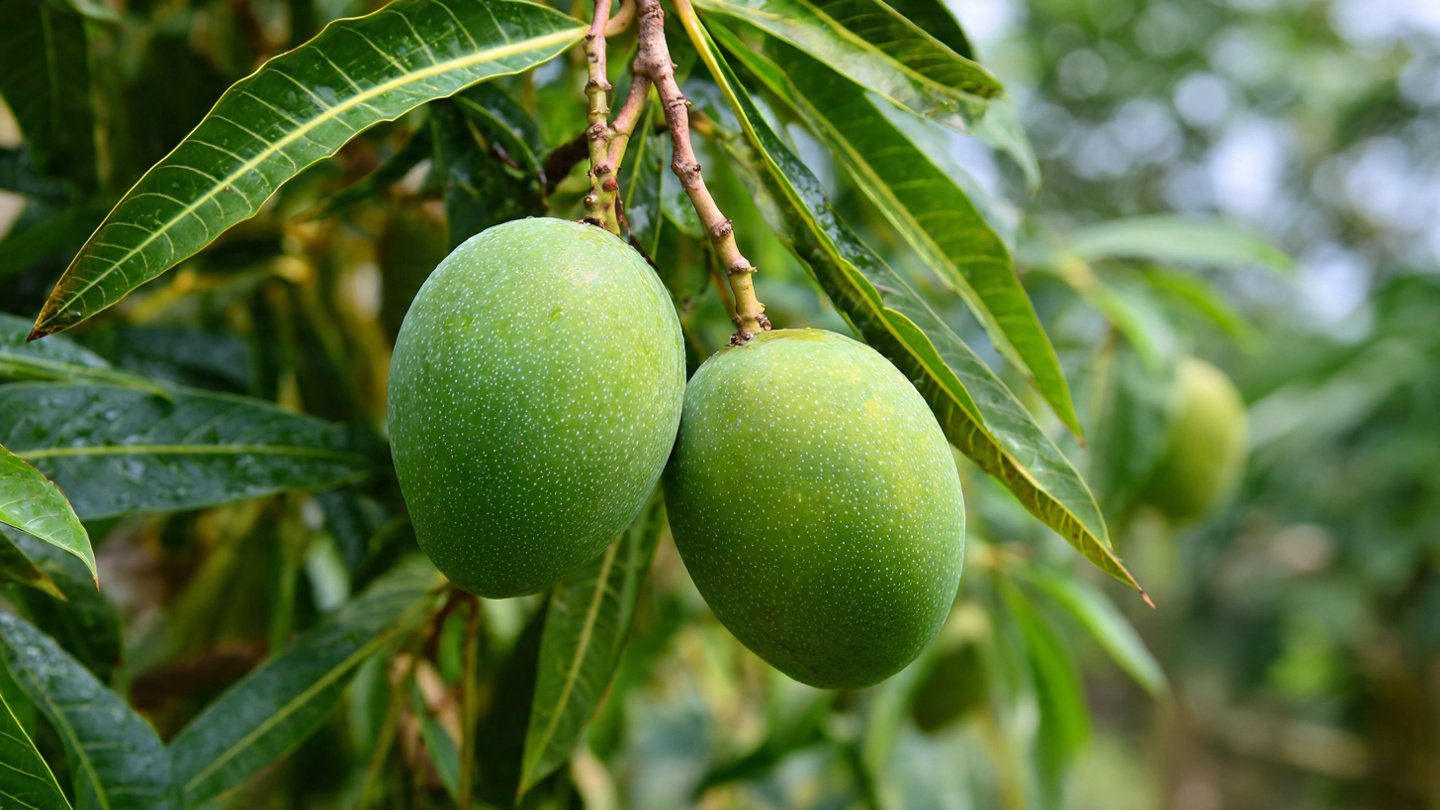
Mangoes, often referred to as the “king of fruits,” are beloved for their sweetness and vibrant tropical flavor. Dwarf mango varieties have gained popularity among gardening enthusiasts due to their manageable size and lush, attractive foliage. These compact versions of the classic mango tree can thrive in smaller gardens, patios, or even indoors. However, they still require careful attention and care to flourish. In this article, we’ll delve into essential tips for nurturing your dwarf mango plants, ensuring they remain healthy and productive.
Understanding Dwarf Mango Varieties
Dwarf mango varieties, such as ‘Julie,’ ‘Palmer,’ and ‘Pickering,’ are specifically bred to remain smaller than standard mango trees. Typically, these trees reach heights between 3 to 6 feet, making them suitable for container gardening or limited spaces. They produce delicious fruits similar to their larger counterparts, and with the right care, they can yield a generous harvest.
Choosing the Right Variety
Before diving into care techniques, it’s essential to select the right dwarf mango variety for your climate and space. Here are a few popular options:
-
Julie Mango: Known for its sweet, fiberless flesh, this variety is resistant to diseases and thrives in tropical and subtropical climates.
-
Pickering Mango: A favorite for its small size and excellent taste, the Pickering is ideal for containers and produces fruits early in the season.
-
Palmer Mango: This variety is slightly larger than others but still remains compact. It delivers a rich flavor and is perfect for those seeking a bit more fruit size.
Planting Your Dwarf Mango
Proper planting is crucial for establishing a healthy dwarf mango plant. Here’s how to do it:
Selecting the Right Location
Dwarf mangoes love sunlight. Choose a location that receives at least 6 to 8 hours of full sunlight daily. If planting in a container, select a spot that gets ample sun exposure.
Soil Requirements
Mango trees prefer well-drained sandy or loamy soil. Heavy clay soils can lead to root rot, so amend heavy soils with organic matter or sand to improve drainage. Aim for a pH level between 5.5 and 7.5, as mangoes thrive in slightly acidic to neutral soils.
Planting Process
-
Digging the Hole: Dig a hole that’s twice the width of the root ball and the same depth. This gives the roots space to spread out.
-
Positioning the Plant: Remove the plant from its pot and gently loosen any tightly bound roots. Place it in the center of the hole, ensuring it’s planted at the same depth as it was in the pot.
-
Backfilling the Hole: Fill the hole with the excavated soil, avoiding compacting it too tightly. Water generously to settle the soil.
Watering Techniques
Watering is a critical aspect of care for dwarf mango plants. Here are some guidelines:
Initial Watering
After planting, water your dwarf mango deeply to establish strong roots. For the first few weeks, ensure the soil remains consistently moist but not soggy.
Ongoing Watering
Once established, mango trees prefer dry conditions between watering. Water deeply but infrequently. During the growing season (spring and summer), check the soil weekly. When the top inch feels dry, it’s time to water.
Signs of Overwatering and Underwatering
Be aware of signs indicating water stress:
- Underwatering: Leaves may curl, and the tree may show stunted growth.
- Overwatering: Yellowing leaves and mushy roots are indicators of root rot.
Fertilizing Your Dwarf Mango
Dwarf mango trees thrive with regular feeding, especially during their growing season. Here’s how to fertilize effectively:
Choosing the Right Fertilizer
Opt for a balanced, slow-release fertilizer specially formulated for fruit trees. Look for one high in potassium and phosphorus, essential for flowering and fruiting.
Application Schedule
-
Spring Feeding: At the start of the growing season, apply fertilizer according to package instructions. Doing this supports strong growth.
-
Mid-Season Feeding: A second application in early summer can boost fruit production.
Signs of Nutrient Deficiency
Monitor for signs of nutrient deficiencies, such as:
- Nitrogen Deficiency: Yellowing older leaves indicates a lack of nitrogen.
- Phosphorus Deficiency: Dark green, purplish leaves suggest inadequate phosphorus.
Pruning and Training
Pruning is essential for maintaining your dwarf mango’s health and shape.
Why Prune?
Pruning helps to:
- Encourage air circulation
- Remove any dead or diseased branches
- Promote a more compact structure
When to Prune
The best time to prune is after the harvest or in late winter before new growth starts. Aim to remove only about 20% of the tree’s growth at a time to avoid shocking the plant.
Techniques for Pruning
-
Remove Deadwood: Start by cutting away any dead or diseased branches.
-
Shape the Tree: Select 3-5 main branches and prune back lateral branches to maintain a balanced shape.
-
Encourage Airflow: Thin out crowded areas to improve circulation, which helps reduce fungal issues.
Pest and Disease Management
Like all plants, dwarf mangoes can be susceptible to pests and diseases. Here’s how to manage them effectively.
Common Pests
-
Aphids: Small, soft-bodied insects that suck sap from leaves. Spray with insecticidal soap or neem oil.
-
Scale Insects: Look like small, raised bumps on stems and leaves. Remove them by hand or treat with horticultural oil.
-
Mealybugs: White, cotton-like pests that can harm the tree. Similar treatments as for aphids work effectively.
Diseases to Watch For
-
Powdery Mildew: Fungal infection characterized by a white, powdery coating on leaves. Encourage good airflow and avoid overhead watering.
-
Root Rot: Caused by overwatering. Ensure good drainage and only water when necessary.
Climate Considerations
Understanding your local climate is crucial for successful mango cultivation.
Ideal Conditions
Dwarf mango trees prefer warm, tropical to subtropical climates. They resist temperatures down to about 30°F (-1°C) but thrive best in temperatures between 70°F and 85°F (21°C – 29°C).
Cold Protection
If you live in a colder region, protect your mango tree during winter:
-
Containers: If planted in containers, move the plant indoors or into a greenhouse during cold spells.
-
Mulching: Apply mulch around the base to regulate soil temperature and protect roots.
Harvesting Your Mangoes
The moment of joy arrives when your dwarf mango tree begins to bear fruit. Here’s how to know when to harvest:
Signs of Ripeness
-
Color Change: Mangoes typically change from green to yellow or reddish, depending on the variety.
-
Fruity Aroma: A sweet, fruity fragrance is a good indicator that your mangoes are ripe.
Harvesting Technique
Use clean, sharp scissors or pruning shears to cut the fruit off the tree, leaving a small stem attached. Handle gently to avoid bruising.
Conclusion
Caring for your dwarf mango varieties can be a rewarding experience, offering not just the thrill of growing your own fruit but also the joy of nurturing a beautiful tree. With the right care techniques—from proper planting, watering, and fertilizing to vigilant pest management—you’ll set the stage for a thriving mango tree that produces delicious fruits for years to come. Whether you’re enjoying the fruits of your labor fresh, in smoothies, or as a highlight in desserts, the effort you invest will be amply rewarded. Happy gardening!