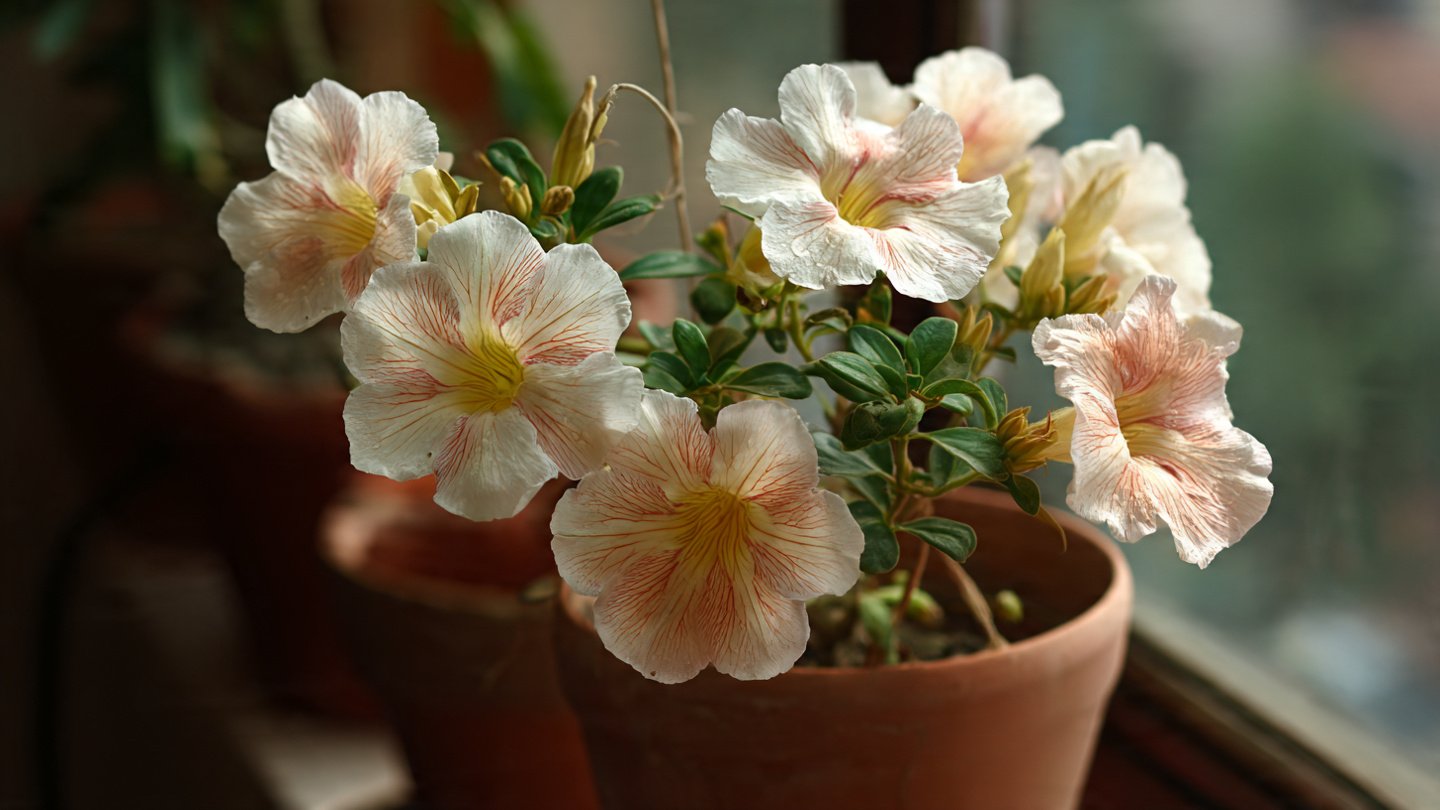
Aparajita, commonly known as Clitoria ternatea or butterfly pea flower, is a stunning vine renowned for its striking blue flowers that bloom throughout the year in the right conditions. This plant holds a revered place in traditional medicine and is known for its unique ability to thrive in various climates. If you’re eager to cultivate this beautiful plant at home for its continuous blooming flowers, this guide will take you step-by-step through the process.
Understanding Aparajita
Botanical Background
Aparajita is a perennial vine that belongs to the Fabaceae family. Its flowers are not only aesthetically captivating but also serve various culinary and medicinal purposes. The blooms are used in teas, desserts, and hair treatments. The plant is native to tropical Asia and grows well in other warm climates.
Flower Characteristics
The flowers of the Aparajita plant are vibrant, usually blue or purple, and can be used to impart color to dishes. Beyond their culinary uses, these flowers are celebrated for their health benefits, including antioxidants and anti-inflammatory properties.
Setting Up Your Garden for Aparajita
Creating an ideal environment for Aparajita is crucial for yielding vibrant blooms. Below are essential aspects to consider when setting up your garden.
1. Selecting the Right Location
Aparajita thrives in sunny locations. Choose a spot that receives at least 6-8 hours of sunlight daily. If growing indoors, a south-facing window or a grow light can provide sufficient brightness. The plant can tolerate partial shade but will not bloom as profusely.
2. Soil Requirements
Aparajita prefers well-draining soil rich in organic matter. A pH level of around 6.0 to 7.0 is optimal. Here’s how to prepare the soil:
- Mix compost or well-rotted manure into the soil for added nutrients.
- Ensure good drainage by mixing in sand or perlite if the native soil is dense or clayey.
- Raise the planting bed if you live in a region prone to heavy rains to avoid waterlogging.
3. Choosing the Right Container (if planting in pots)
If you plan to cultivate Aparajita in containers, choose pots that are at least 12-15 inches in diameter. Ensure that they have multiple drainage holes to prevent root rot.
Propagation of Aparajita
Aparajita can be propagated from seeds or cuttings. Here’s how to do both:
1. From Seeds
- Soak the Seeds: Soak the seeds in warm water for 24 hours to soften the seed coat.
- Plant in Soil: Plant the seeds about 1 inch deep in the soil, spacing them 12-18 inches apart if planting multiple seeds.
- Watering: Keep the soil moist but not soggy. Germination usually takes 1-2 weeks.
2. From Cuttings
- Select a Healthy Stem: Choose a healthy, non-flowering stem and cut it into sections of about 6 inches.
- Rooting Hormone: Dip the cut end into rooting hormone if available.
- Plant the Cuttings: Plant the cuttings in moist potting mix, keeping them in a shady area until they root.
- Watering: Water regularly to keep the soil evenly moist.
Caring for Aparajita
Proper care will facilitate continuous blooming. Here’s what you need to focus on regularly.
1. Watering
Aparajita prefers consistently moist soil but can tolerate brief periods of drought. Water the plant deeply but allow the top inch of soil to dry out between watering. During hot months, daily watering may be necessary, while winter watering should be reduced.
2. Fertilizing
Aparajita benefits from regular fertilization to promote robust growth and abundant blooms. Use a balanced liquid fertilizer every 4-6 weeks during the growing season. Consider organic options like fish emulsion or bone meal to enhance nutrient uptake.
3. Pruning
Regular pruning encourages branching, resulting in a bushier plant with more blooms. Prune in early spring to remove dead or weak branches and to shape the plant. Additionally, deadheading spent flowers will promote further blooming.
4. Pests and Diseases
Aparajita is relatively pest-resistant, but watch for aphids, spider mites, and whiteflies. If an infestation occurs, spraying a diluted soapy solution can help eliminate them. Fungal diseases can arise from excessive moisture; ensure proper air circulation and avoid overhead watering.
5. Supporting the Vines
Aparajita is a climbing vine that will require some structure for support. Install trellises or stakes to encourage upward growth. You can also allow the vine to crawl along the ground if you prefer a ground cover option.
Harvesting Aparajita Flowers
Aparajita flowers can be harvested once they bloom fully. To ensure continuous blooming:
- Harvest in the morning when the flowers are fresh and vibrant.
- Use sharp scissors to snip the flowers at the base, taking care to leave some buds for future blooms.
Culinary Uses
The beautiful blue flowers can be used in various dishes, such as:
- Teas: The flowers can be steeped in water to make herbal tea.
- Natural Dye: The flowers can be utilized to color rice or desserts for vibrant presentations.
- Hair Care: A paste made from the flowers can be applied to promote hair health.
Troubleshooting Common Problems
1. Limited Blooming
If your Aparajita is not producing flowers:
- Check Light Levels: Ensure it’s getting enough sunlight.
- Evaluate Fertility: Consider a boost of nitrogen-based fertilizer to encourage foliage and blooms.
2. Yellowing Leaves
Yellow leaves can indicate overwatering or nutrient deficiency:
- Check Drainage: Ensure that the plant is not sitting in water.
- Adjust Fertilization: Review your fertilization routine; the plant may lack essential nutrients.
FAQs
1. Can Aparajita grow indoors?
Yes, Aparajita can grow indoors if provided with sufficient sunlight or supplemented with grow lights.
2. How long does it take for seeds to germinate?
Seeds typically germinate within 1-2 weeks if properly cared for.
3. Is Aparajita frost-tolerant?
No, Aparajita is not frost-tolerant. It thrives in warmer climates and should be protected or brought indoors during cold spells.
4. How often should I water my Aparajita?
Water the plant regularly, allowing the top inch of soil to dry out between watering. During extreme heat, daily watering may be necessary.
5. Can the flowers be used for medicinal purposes?
Yes, the flowers have various health benefits and can be used in traditional medicine for their antioxidant properties.
6. What is the best time to prune Aparajita?
Prune your Aparajita in early spring to remove dead or weak growth and to shape the plant.
Aparajita is an enchanting choice for gardeners wishing to add beauty and utility to their home gardens. By following the above steps, you can enjoy continuous blooms and harness the many benefits this magnificent plant offers. Whether you’re into gardening for aesthetics or nutritional benefits, Aparajita is definitely worth the effort!