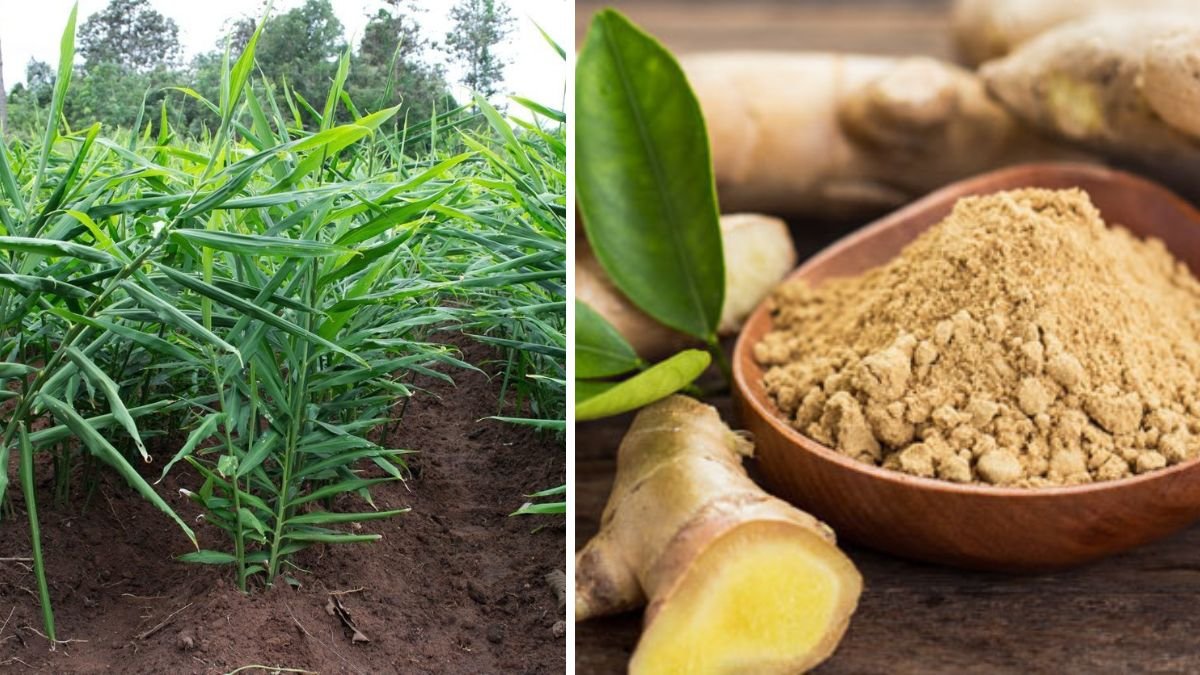
Ginger (Zingiber officinale) is a tropical plant renowned for its aromatic rhizomes used in culinary and medicinal applications. Cultivating ginger can be rewarding, especially if you aim for maximum growth and larger rhizomes. This extensive guide will explore the best practices for cultivating ginger, including site selection, soil preparation, planting techniques, watering, fertilization, pest management, and harvesting.
Understanding Ginger’s Growing Conditions
Climate Preferences
Ginger thrives in warm, humid conditions, ideally with temperatures ranging from 70°F to 90°F (21°C to 32°C). It requires ample rainfall, preferably 40 to 60 inches (1,000 to 1,500 mm) annually. If you live in a cooler region, especially in USDA zones 8 and below, consider growing ginger in pots indoors or using a greenhouse.
Soil Requirements
Ginger prefers well-draining, loamy soils rich in organic matter. The ideal soil pH is between 6.0 and 6.8. Heavy clay soils can hinder growth and root development, so it’s crucial to improve drainage. Conduct a soil test to know your soil type and pH.
Preparing the Soil
Amend the Soil
To prepare the soil, start by adding organic matter, such as compost or well-rotted manure, which enriches the soil structure and provides nutrients. Gypsum can be used to improve clay soils, while sand enhances drainage.
Tillage
Loosen the soil to a depth of at least 12 to 18 inches (30 to 45 cm) using a shovel or tiller. Remove any weeds, stones, and debris. Break up larger soil clumps to create a fine, crumbly texture that will encourage healthy root development.
Mulching
After tilling, apply a layer of mulch (about 3 to 4 inches) to help retain moisture, maintain soil temperature, and suppress weeds. Organic mulches like straw, grass clippings, or shredded leaves work best.
Choosing Ginger Seed Rhizomes
Selecting Quality Seed
The most vital aspect of successful ginger cultivation is choosing high-quality seed rhizomes. Opt for disease-free rhizomes from a trusted source. Look for firm, plump pieces with well-defined “eyes” or growth buds, as these will produce robust plants.
Pre-Soaking
Soaking seed rhizomes in warm water for 12 to 24 hours before planting can enhance germination. This process helps activate the dormant buds, stimulating growth and ensuring a more vigorous start.
Planting Ginger
Timing
Plant ginger in the spring after the last frost date. For indoor cultivation, you can start planting earlier, as long as you provide sufficient warmth and light.
Planting Techniques
-
Spacing: Plant ginger rhizomes about 12 inches (30 cm) apart, with the eyes facing upward. Space rows 24 inches (60 cm) apart to allow for easy access.
-
Depth: Plant the rhizomes about 2 to 4 inches (5 to 10 cm) deep. Ensure the soil is loose enough so it doesn’t crush the rhizomes.
-
Covering: After planting, gently cover the rhizomes with soil, and water them lightly to encourage soil settling.
Watering Ginger
Ginger requires consistent moisture but is sensitive to overwatering. Maintain the soil’s moisture level, especially during dry spells. The best approach is:
-
Watering Frequency: Water deeply once a week, increasing frequency during dry periods.
-
Soil Check: Use the finger test: stick your finger into the soil about 2 inches (5 cm). If it feels dry, it’s time to water.
-
Drainage: Ensure that the planting area has proper drainage to prevent root rot.
Fertilization for Optimal Growth
Nutrient Requirements
Ginger plants are heavy feeders. Incorporating fertilizers at the right time can significantly impact rhizome size and yield. Aim for a balanced fertilizer that includes nitrogen (N), phosphorus (P), and potassium (K).
Fertilization Schedule
-
Before Planting: Mix a slow-release fertilizer into the soil before planting. A 10-10-10 NPK ratio works well.
-
Mid-Growth: After about 6-8 weeks, apply a nitrogen-rich fertilizer to support leaf growth.
-
Rhizome Development: About 10 weeks after planting, switch to a high-potassium fertilizer to promote healthy rhizome development.
Pest and Disease Management
Common Pests
-
Aphids: They can sap the plant’s strength. Use insecticidal soap or neem oil to address infestations.
-
Spider Mites: Create a humid environment around your plants or use insecticidal soap to control them.
Diseases to Watch For
-
Root Rot: Proper drainage and avoiding waterlogged conditions can prevent this.
-
Rhizome Rot: Ensure that the seeds are healthy and avoid overcrowding to decrease the risk.
Integrated Pest Management (IPM)
Adopt IPM practices to maintain a healthy crop. Rotate crops annually, and encourage beneficial insects. Biological controls such as ladybugs can naturally reduce pests.
Harvesting Ginger
Timing
Ginger is usually ready for harvest about 8-10 months after planting when the leaves begin to yellow and die back. Early harvest often yields smaller rhizomes, while leaving them in the soil longer allows them to grow larger.
Harvesting Techniques
-
Tools: Use a spade or fork to carefully lift the rhizomes from the soil. Avoid damaging them by being gentle and working around the plant.
-
Post-Harvest Care: Clean the rhizomes by brushing off the soil. Leave them in a shaded area to dry for a few hours. Store in a cool, dry place if you want to keep some aside for planting next season.
Post-Harvest Care and Storage
To ensure longevity and quality, follow these storage tips:
-
Storage Conditions: Store rhizomes in a cool, dry, and dark location. Use breathable storage like paper bags to allow air circulation.
-
Prevent Sprouting: To prevent sprouting, avoid exposing the ginger to light, and check regularly for any signs of rot.
FAQs
1. How often should I water my ginger plants?
Water ginger plants deeply once a week, adjusting frequency based on rainfall and soil dryness. Consistent moisture without waterlogging is key.
2. Can I grow ginger indoors?
Yes, ginger can be grown indoors in pots. Ensure it receives bright, indirect sunlight and maintain warm temperatures (70°F to 90°F).
3. What should I do if my ginger plants show signs of pests?
Inspect plants regularly and use natural insecticides like neem oil or insecticidal soap. You can also hand-pick pests to minimize damage.
4. Is it necessary to use fertilizer?
While ginger isn’t overly reliant on fertilizers, using a balanced fertilizer will promote healthier growth and larger rhizomes.
5. Can I plant store-bought ginger?
Yes, but ensure it has no signs of mold or disease. Look for ginger that is fresh and has firm texture with visible eyes.
6. How can I tell when my ginger is ready for harvest?
Ginger is ready for harvest approximately 8-10 months after planting when the leaves begin to yellow and die back.
7. How do I encourage larger rhizomes?
Provide consistent watering, adequate fertilization, and ensure the plants have enough space to grow without competition.
Conclusion
Cultivating ginger is a rewarding endeavor that can yield fragrant rhizomes, ideal for cooking and natural remedies. With the right techniques—proper soil preparation, adequate watering and fertilization, pest management, and careful harvesting—you can achieve maximum growth and produce larger rhizomes. Happy gardening!