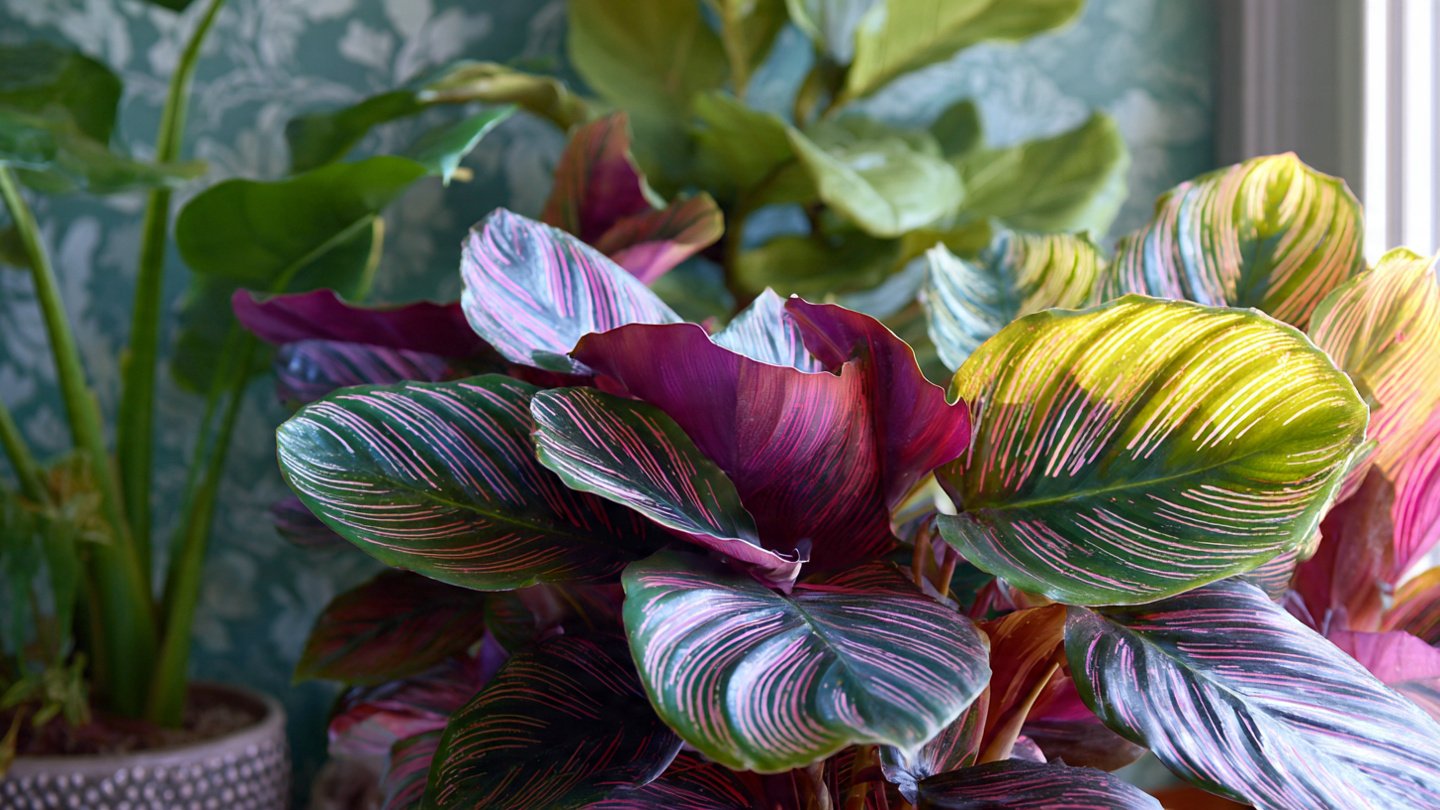
Calathea, known for its striking foliage and intricate patterns, is a beloved houseplant among floral enthusiasts. Often referred to as “prayer plants,” these vibrant plants display stunning leaves that can curl or droop if not cared for properly. If you want to ensure your Calathea thrives and maintains its beautiful structure, you’ve come to the right place. This article will explore essential care tips to help you grow Calathea without curling, enabling you to enjoy their beauty without worry.
Understanding Calathea: What Makes Them Special?
Before diving into care strategies, it’s crucial to understand what makes Calathea unique. Native to tropical regions of Central and South America, these plants thrive in humid environments. They belong to the Marantaceae family, which makes them relatives to the prayer plant genus. One of the defining characteristics of Calathea is their leaf movement throughout the day—leaves often rise in the morning and close at night, reminiscent of hands in prayer.
However, despite their resilience, many plant owners struggle with issues like curling leaves or discoloration. A thorough understanding of their needs will significantly improve your success in growing these beautiful plants.
Key Factors for Healthy Calathea
1. Humidity: The Essential Element
Calathea plants flourish in high humidity levels, typically between 60% to 80%. Lack of moisture often causes the leaves to curl, dry out, or develop brown tips. Here are some effective ways to maintain adequate humidity:
- Misting: Lightly misting the leaves daily can help increase humidity. However, be cautious—excess moisture can lead to mold.
- Humidity Trays: Place your Calathea on a tray filled with pebbles and water. As the water evaporates, humidity levels around the plant will increase.
- Room Humidifiers: Investing in a room humidifier can guarantee a consistent humidity level, especially during dry months.
2. Watering: Finding the Right Balance
Overwatering and underwatering can both lead to problems, including curling leaves. Here’s how to water your Calathea effectively:
- Check the Soil: Before watering, check if the top inch of soil is dry. Calathea prefer consistently moist but not soggy soil.
- Use Filtered Water: Tap water may contain chlorine and other chemicals that could harm your plant. Using filtered or distilled water will provide a healthier environment.
- Watering Schedule: You can generally water Calathea every week, but frequency may vary based on environmental conditions. In winter, reduce watering due to slower growth.
3. Light Conditions: Bright, Indirect Light
Calathea thrives in bright but indirect sunlight. Direct sunlight can scorch their leaves, leading to curling and browning. Here’s how to position your Calathea for optimal growth:
- East or North-facing Windows: Place your plant near east or north-facing windows, which will provide gentle morning light.
- Avoid Dark Corners: While Calathea can survive in lower light conditions, insufficient light may stunt growth and dull leaf coloration.
- Rotate Your Plant: Regularly rotate your Calathea for even light exposure, ensuring all sides receive adequate sunlight.
4. Temperature: Maintaining Ideal Conditions
Calathea does best in temperatures between 65°F and 80°F (18°C to 27°C). Extreme temperature changes can lead to stress, resulting in curling leaves. Consider the following tips:
- Avoid Drafts: Keep your Calathea away from open windows, HVAC vents, and drafty areas that can cause temperature fluctuations.
- Monitor Day/Night Variations: While Calathea enjoy warmth, a slight drop in temperature at night can be beneficial for their overall health.
5. Soil: The Foundation of Healthy Growth
Choosing the right soil is essential for thriving Calathea. They prefer a well-draining potting mix. Here’s your guide for selecting or preparing the perfect soil:
- Potting Mix: A mix that combines potting soil, peat moss, and perlite or orchid bark promotes good aeration and drainage.
- Repotting: Consider repotting your Calathea every 1-2 years to refresh the soil and provide more room for growth.
6. Fertilization: Nourishment Without Burn
Fertilizing Calathea regularly during the growing season (spring and summer) aids robust growth. However, over-fertilization can lead to leaf curling and burning.
- Balanced Fertilizer: Opt for a balanced, water-soluble fertilizer diluted to half the recommended strength.
- Frequency: Fertilize every 4-6 weeks during the growing season, then taper off in fall and winter.
7. Common Pests: Prevention and Treatment
Calathea can be susceptible to pests like spider mites, aphids, and mealybugs, which can stress the plant and lead to curling leaves. Here’s how to keep them at bay:
- Regular Inspection: Check the undersides of leaves and plant joints for signs of pests. Early detection is critical.
- Natural Remedies: You can use insecticidal soap or neem oil to treat pest infestations. Always test on a small leaf area first before applying it to the whole plant.
8. Signs of Stress: Understanding Curling Leaves
Curling leaves can indicate several issues. Here’s what to look for:
- Underwatering: If leaves curl inward, especially at the edges, your plant may be thirsty.
- Overwatering: Leaves that curl downwards may indicate too much water. Signs like yellowing or mushy roots will confirm this.
- Humidity Issues: Crispy, dry leaf edges often point to low humidity levels, while curled leaves can indicate excess dryness.
9. Seasonal Considerations
Understanding seasonal changes can guide your care routine.
- Winter: During colder months, Calathea may experience dormancy. Reduce watering and fertilizing, and ensure they are kept in a stable, warm environment.
- Summer: Warmer temperatures will promote active growth. Increase humidity and keep a regular watering schedule.
10. Final Touches for Flawless Calathea Care
Here are additional tips to guarantee your Calathea remains healthy and beautiful:
- Pruning: Regularly remove any yellow or damaged leaves to encourage new growth and improve air circulation.
- Leaf Care: Occasionally wipe leaves with a damp cloth to remove dust and enhance photosynthesis.
- Observational Care: Spend time observing your plant’s response to care routines; small adjustments can lead to better outcomes.
Conclusion
Caring for Calathea plants doesn’t have to be a daunting task. By providing the right humidity, water, light, temperature, and soil conditions, you can promote vibrant, lush growth without the worry of curling leaves. Regular monitoring and minor adjustments according to their needs will result in a thriving plant that adds beauty to your home.
Embrace the journey of nurturing your Calathea, and enjoy the rewarding experience of watching your plant flourish, bringing life and color into your space. With a bit of patience and care, your Calathea will thrive—curling will be a concern of the past!