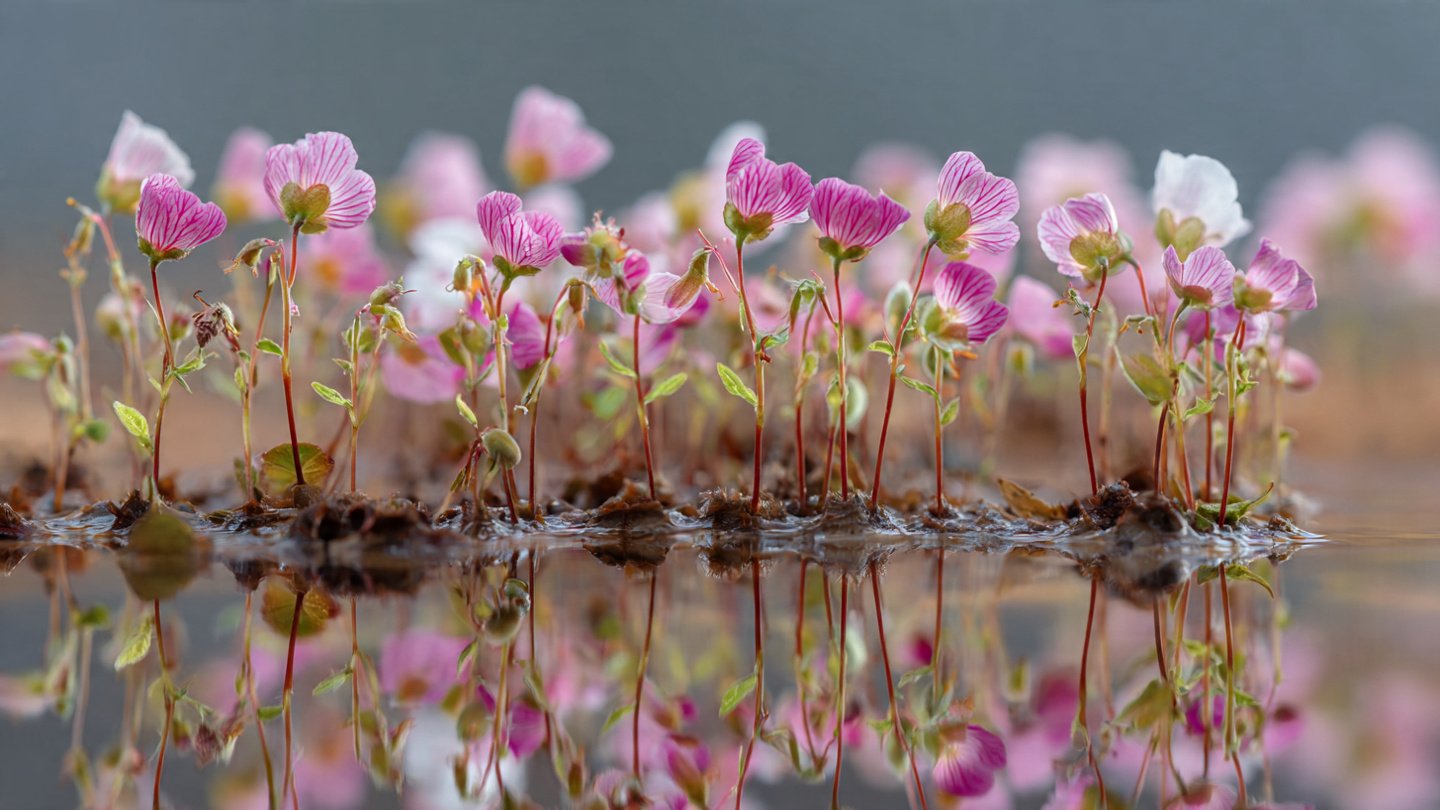
Clarkia, commonly known as Godetia, is a vibrant wildflower that brings a splash of color to gardens with its delicate blooms and elegant foliage. Cultivating Clarkia from seed is an enjoyable and rewarding experience, especially for beginners. This guide will walk you through each step to ensure a successful growing season, from selecting seeds to nurturing your plants until they bloom.
Understanding Clarkia
Characteristics of Clarkia
Clarkia belongs to the evening primrose family and is native to North America. The flowers come in various colors, including pink, rose, white, and lavender, often displaying a beautiful gradient. The plants typically grow between 1 to 3 feet tall, making them suitable for garden beds, borders, and containers.
Types of Clarkia
Several species of Clarkia exist, but the most commonly grown include:
- Clarkia elegans: Known for its large, showy blossoms.
- Clarkia unguiculata: Features smaller, more delicate flowers but blooms profusely.
- Clarkia purpurea: A robust variety that produces deep purple flowers.
Starting from Seed
Selecting Seeds
You can find Clarkia seeds at local garden centers, nurseries, or online retailers. When selecting seeds, choose a variety that is well-suited to your local climate conditions. Pay attention to the seed packet for information on growth habits, colors, and care.
Preparing the Soil
Clarkia prefers well-draining soil rich in organic matter. A pH level between 6.0 and 7.0 is ideal. Here’s how to prepare your soil:
-
Choose a Location: Select a sunny spot that receives at least six hours of sunlight per day.
-
Test the Soil: Check the pH and nutrient levels. You can use a soil testing kit available at garden centers.
-
Amend the Soil: If your soil is heavy clay or sandy, amend it with compost or well-rotted manure. This improves drainage and adds nutrients.
-
Tilling: Loosen the soil to a depth of about 12 inches using a garden fork or tiller, breaking apart clumps and removing weeds.
Sowing Clarkia Seeds
When to Sow
Clarkia seeds can be sown directly into the garden soil or started indoors. The best time to sow seeds outdoors is in the spring after the last frost. If you choose to start seeds indoors, plant them about 6-8 weeks before the last expected frost.
Sowing Outdoors
-
Rake the Soil: Smooth out the soil with a rake to create an even surface.
-
Sow the Seeds: Sow the seeds directly onto the soil surface, spacing them about 6 to 12 inches apart, depending on the variety. Lightly cover the seeds with a thin layer of soil or compost.
-
Watering: Gently water the area using a fine spray to avoid displacing the seeds.
-
Mulching: Apply a light mulch layer to retain moisture and suppress weeds, but keep it thin to allow sunlight to reach the seeds.
Starting Indoors
-
Containers: Use seed trays or small pots with drainage holes.
-
Seed-Starting Mix: Fill the containers with a sterile seed-starting mix.
-
Sow the Seeds: Place 2-3 seeds in each container, pressing them lightly into the soil.
-
Moisture: Water gently and cover the containers with plastic wrap or a dome to retain humidity.
-
Light: Once seedlings emerge, remove the cover and place them in a sunny location or under grow lights.
Caring for Clarkia
Watering
Clarkia is relatively drought-tolerant but benefits from consistent moisture, especially during germination and early growth. Water the seedlings gently, ensuring the soil remains evenly moist but not waterlogged. As they mature, gradually reduce the frequency of watering.
Fertilizing
While Clarkia does well in nutrient-rich soil, over-fertilization can cause lush foliage at the expense of blooms. If your soil lacks nutrients, apply a balanced, slow-release fertilizer in early spring. Follow package instructions to avoid over-application.
Thinning Seedlings
If you’ve sown seeds too densely, thin out the seedlings once they have a few true leaves. Select the strongest plants and cut the weaker ones at soil level to avoid disturbing the roots of those you wish to keep. Aim for a final spacing of around 12 inches apart.
Pest Management
Clarkia is generally pest-resistant, but keep an eye out for common garden pests like aphids and spider mites. Use organic insecticidal soap or neem oil to manage infestations. Regularly inspect your plants for any signs of distress.
Supporting Growth
Staking and Support
For taller varieties, staking may be necessary to prevent the plants from toppling over, especially in windy areas. Use bamboo stakes or garden supports, placing them in the ground early to avoid disturbing the roots later.
Pruning
To encourage bushier growth and more blooms, pinch back the tips of young plants when they reach about 6 inches in height. This practice stimulates lateral growth and increases flower production.
Harvesting and Enjoying Blooms
When to Expect Flowers
Clarkia typically blooms in late spring to early summer, depending on the sowing time and local climate. The blooms will last for several weeks, providing a beautiful display.
Cutting Flowers
Clarkia makes for excellent cut flowers. To harvest, cut stems in the morning when the flowers are fully open and place them in water immediately. Removing lower leaves ensures that no foliage is submerged, which can cause rot.
Enjoying the Blooms
Place cut Clarkia in vases or use them to create stunning floral arrangements. Their colorful blossoms are perfect for decorating homes or adding beauty to special events.
Troubleshooting Common Issues
Poor Germination
If your seeds fail to germinate, check the following:
- Soil Temperature: Clarkia thrives in moderately warm soil. Ensure that temperatures are consistently above 65°F (18°C).
- Moisture Levels: Keep the soil consistently moist but not soggy during germination.
Leggy Seedlings
If seedlings become tall and spindly, they may be reaching for light. Ensure they receive adequate sunlight, or consider moving them closer to a light source.
Disease Management
Clarkia can occasionally suffer from fungal diseases such as powdery mildew, especially in humid conditions. To prevent this, ensure proper spacing for air circulation and avoid overhead watering.
Conclusion
Growing Clarkia from seed is a simple yet rewarding process that can enhance any garden. With vibrant flowers, minimal care requirements, and a straightforward growing process, it’s an excellent choice for beginners and experienced gardeners alike. By following this guide, you’ll be well on your way to cultivating a stunning display of this delightful wildflower.
From soil preparation to enjoying the beautiful blooms, each step is a chance to connect with nature and witness the magic of growth. So, gather your seeds, prepare your garden, and enjoy the delightful journey of growing Clarkia! Happy gardening!