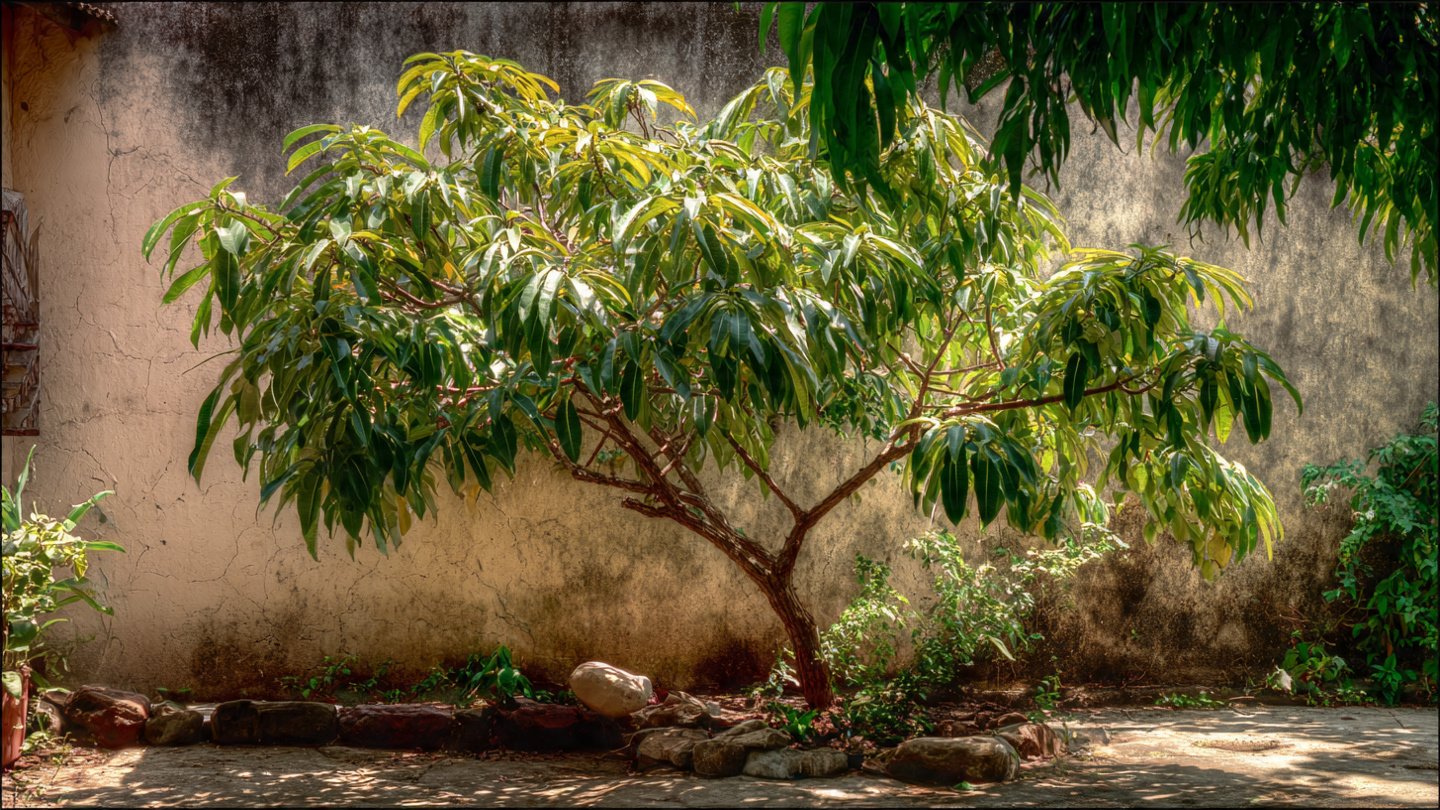
Mango trees are known for their luscious fruits and tropical beauty. For homeowners looking to cultivate a bit of paradise, a small-sized mango tree is an excellent choice — especially for those with limited space. This guide covers everything you need to know about effectively growing and caring for a small-sized mango tree in your backyard.
1. Selecting the Right Variety
The initial step to successfully growing a mango tree is selecting the right variety. For smaller spaces, opt for dwarf or semi-dwarf varieties. Some popular choices include:
- Nam Doc Mai: This Thai variety is known for its sweet, juicy fruit and shorter stature.
- Pickering: A compact tree that produces excellent-quality fruit and is resistant to diseases.
- Julie: Another small variety, the Julie mango is prized for its rich flavor and distinctive aroma.
Choosing the Right Climate
Mango trees thrive in warm climates. Ideally, they need temperatures between 70°F (21°C) and 100°F (38°C). If your backyard is in a cooler climate, consider growing your mango tree in a pot that can be moved indoors during colder months.
2. Planting the Mango Tree
Best Location
Choose a sunny spot for your mango tree, as they require full sun to thrive. Ideally, the location should receive at least 8 hours of sunlight daily. Ensure the area has good air circulation, which helps reduce the risk of fungal diseases.
Soil Requirements
Mango trees prefer well-draining soil. They thrive in sandy loam, but you can amend clay-rich soil with compost or sand to improve drainage. The ideal pH is between 5.5 and 7.5.
Planting Process
- Preparation: Dig a hole about three times the width of the root ball and slightly deeper than the root ball itself.
- Soil Amendment: Mix organic compost or well-rotted manure with your native soil.
- Positioning: Place the tree in the hole, ensuring the top of the root ball is level with the ground surface.
- Backfill: Fill in around the root ball with the amended soil and water gently.
- Mulching: Add a layer of mulch around the base to retain moisture and suppress weeds.
3. Watering Your Mango Tree
Mango trees need consistent moisture, especially during their initial growth period. However, be cautious not to overwater, as this can lead to root rot.
Watering Guidelines
- Young Trees: Water every 1 to 2 weeks during dry spells.
- Established Trees: Once established, they are drought tolerant; water deep every 3 weeks.
Signs of Water Stress
Be vigilant for signs of over or underwatering. Yellowing leaves may indicate overwatering, while browning leaf edges can be a sign of underwatering.
4. Fertilizing Your Mango Tree
Proper fertilization aids healthy growth and fruit production. Use a balanced fertilizer designed for fruit trees, or choose one high in potassium to promote flowering and fruit development.
Fertilization Schedule
- First Year: Apply a slow-release fertilizer in early spring and again in mid-summer.
- Established Trees: Use the same schedule but increase the quantity based on the tree’s size and age.
5. Pruning and Training
Pruning is essential for maintaining the health and appearance of your mango tree. It helps to improve air circulation and encourages better fruit production.
Pruning Steps
- Timing: Perform pruning during the dry season, preferably late winter or early spring.
- Remove Dead or Diseased Branches: This prevents the spread of diseases.
- Shape the Tree: Focus on creating an open center to allow light penetration.
- Maintain Size: Limit the height to about 10-12 feet for better accessibility.
6. Pest and Disease Management
Mango trees can be vulnerable to pests and diseases, including:
- Mango Seed Weevil: Larvae bore into the fruit, making it unfit for consumption.
- Aphids: Small sap-sucking insects can weaken the tree.
- Powdery Mildew: Fungal disease that appears as white powder on leaves.
Prevention and Treatment
- Regular Inspection: Check your tree often for signs of pests or diseases.
- Natural Remedies: Use neem oil as a natural insecticide and fungicide.
- Beneficial Insects: Introduce ladybugs to control aphid populations.
7. Harvesting Your Mangoes
Once your tree begins to bear fruit, knowing when to harvest is crucial. Mangoes are typically ready to pick when they start to change color and give slightly when gently squeezed.
Harvesting Tips
- Use Pruning Shears: Cut the stem rather than pulling the fruit, which can damage the tree.
- Handle with Care: Mangoes bruise easily, so be gentle during handling.
- Ripening: If harvested too early, allow them to ripen at room temperature.
Conclusion
Growing a small-sized mango tree in your backyard can be a rewarding experience, yielding luscious fruits while enhancing your outdoor space. With careful selection, planting, watering, and maintenance, you can enjoy home-grown mangoes for years to come.
FAQs
1. How long does it take for a mango tree to produce fruit?
Typically, a mango tree takes about 3-6 years to start producing fruit, depending on the variety and growing conditions.
2. Can mango trees grow in pots?
Yes, dwarf or semi-dwarf mango varieties are suitable for container growing. Ensure the pot is at least 15-20 gallons for optimal growth.
3. How often should I water my mango tree?
Young trees need watering every 1-2 weeks during dry spells, while established trees can be watered deeply every 3 weeks.
4. What should I do if my tree isn’t flowering?
Insufficient sunlight, nutrients, or water might cause a lack of flowers. Make sure your tree is in full sun and follow a proper fertilization and watering schedule.
5. How can I protect my mango tree from pests?
Regular inspections and introducing beneficial insects like ladybugs can help manage pests. Neem oil can also be effective against a variety of insects.
6. Can I grow mango trees in cooler climates?
While mango trees thrive in warmer climates, they can be grown in pots that can be moved indoors during cold months.
7. What type of fertilizer is best for mango trees?
A balanced fertilizer or one high in potassium is recommended during the growing season to promote healthy growth and fruit production.
By following these guidelines, you’ll not only successfully grow a small-sized mango tree in your backyard but also enjoy the satisfaction of nurturing a beautiful and fruitful plant. Get ready to savor the delicious rewards of your efforts!