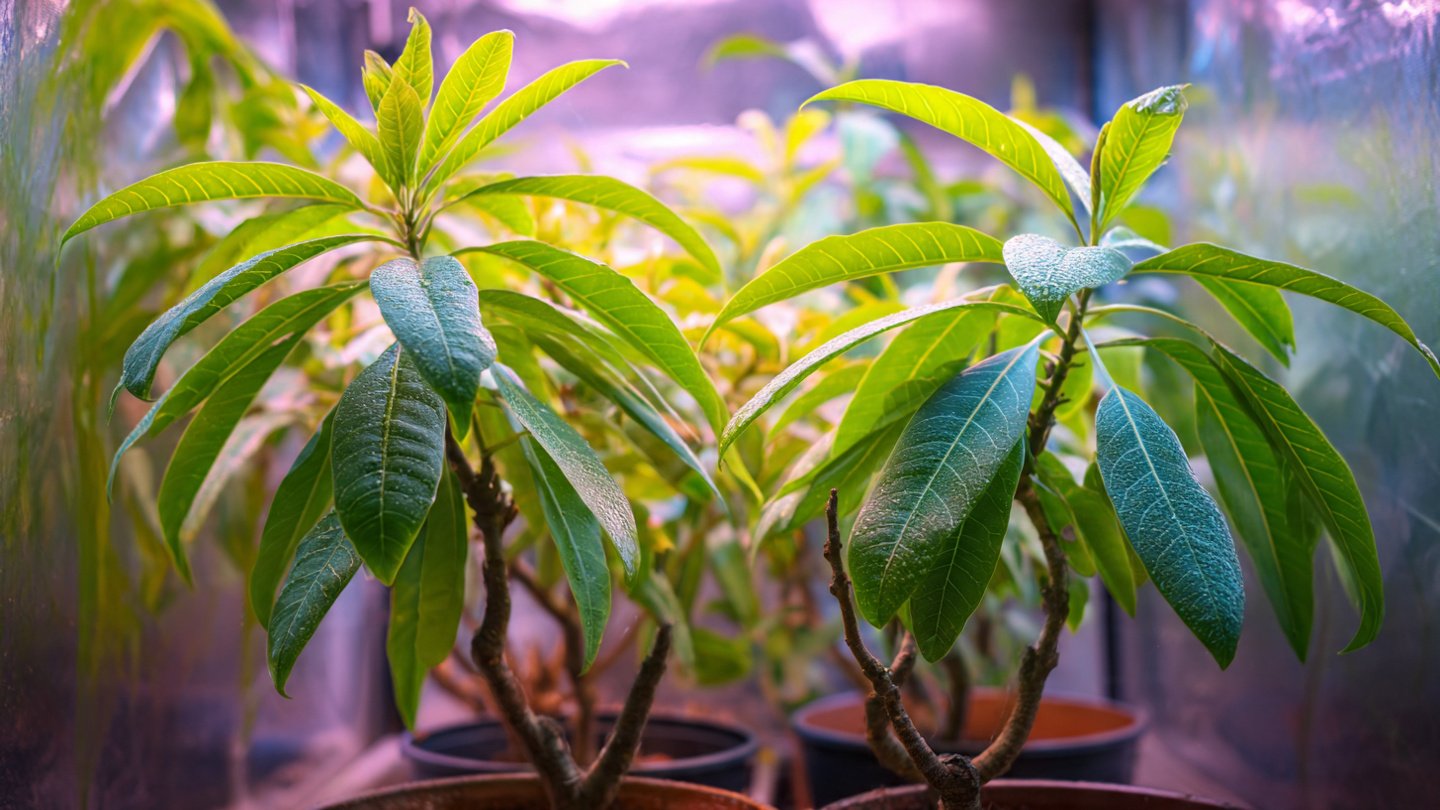
Mango plants (Mangifera indica) are cherished not only for their delicious fruits but also for their ornamental beauty. Growing mango plants indoors can be a rewarding experience, provided the right care and conditions are maintained. This article will explore key methods for ensuring healthy growth for mango plants indoors.
Understanding Mango Plants
Before diving into care methods, it’s essential to understand the characteristics of mango plants. They belong to the Anacardiaceae family and are tropical in nature. Typically, mango trees can reach heights of 30-100 feet outdoors, but when kept indoors, they tend to be smaller and more manageable. By understanding the plant’s natural habitat, you can more effectively create an ideal indoor environment.
Choosing the Right Variety
To grow mango plants indoors, selecting the right variety is crucial. Some dwarf or semi-dwarf varieties are better suited for container growth. The ‘Nano’ or ‘Pickering’ varieties are ideal options as they are known for their compact nature and ability to produce fruits even in smaller spaces.
Selecting the Right Container
The choice of container is pivotal in ensuring the healthy growth of your mango plant. Here are some considerations:
-
Size: Select a pot that is at least 12-14 inches in diameter and has a depth of 12-18 inches. As the plant grows, you can transfer it to larger pots.
-
Drainage: Ensure the pot has adequate drainage holes to prevent waterlogging. Overwatering can lead to root rot, a common issue in indoor plants.
-
Material: Choose pots made of breathable materials like terracotta or ceramic. These materials allow moisture to escape, helping to regulate the plant’s roots’ temperature.
Soil Quality
The right soil mix is crucial for your mango plant’s healthy growth. Mango plants thrive in well-draining soil that is slightly acidic to neutral (pH 6.0-7.5). Here’s how to create a suitable soil mixture:
-
Components: Combine equal parts of potting soil, perlite, and sand. This mixture ensures good drainage while retaining some moisture.
-
Organic Material: Incorporate organic materials such as compost to provide essential nutrients.
Light Requirements
Mango plants require plenty of sunlight for healthy growth. Here are tips for meeting their lighting needs indoors:
-
Sunlight Exposure: Position your mango plant near a south-facing window where it can receive at least 6-8 hours of direct sunlight daily.
-
Supplemental Lighting: If natural light is insufficient (especially in winter months), consider using grow lights. Full-spectrum LED grow lights can provide the necessary wavelengths for photosynthesis.
Watering Practices
Watering is a fundamental aspect of indoor plant care. For mango plants, follow these guidelines:
-
Frequency: Water the plant thoroughly once the top inch of the soil feels dry. Overwatering can lead to root rot, while under-watering can cause growth stagnation.
-
Method: Water deeply until it drains from the bottom of the pot, ensuring that the entire root system gets moisture.
-
Seasonal Adjustment: In the growing season (spring and summer), increase watering frequency, while reducing it in the dormant season (fall and winter).
Humidity Control
Mango plants thrive in humid environments that simulate their tropical origins. Here’s how to maintain humidity indoors:
-
Misting: Regularly mist the leaves with water to enhance humidity, particularly during drier months.
-
Pebble Tray Method: Place a tray filled with water and pebbles underneath the pot. As the water evaporates, it will increase humidity around the plant.
-
Humidifier: Consider using a humidifier if the indoor air is consistently dry, especially during winter months.
Temperature Management
Maintaining an appropriate temperature is essential for the healthy growth of your mango plant:
-
Ideal Range: The optimal temperature for mango growth is between 70°F to 85°F (21°C to 29°C). Avoid exposing the plant to temperatures below 50°F (10°C).
-
Avoid Drafts: Keep the plant away from drafty windows or doors, as temperature fluctuations can stress the plant.
Fertilization
Mango plants need adequate nutrition to thrive, particularly when grown in containers. Here’s how to fertilize effectively:
-
Type of Fertilizer: Use a balanced houseplant fertilizer or organic fertilizers such as fish emulsion or seaweed extracts. Look for formulations with a ratio of N-P-K (Nitrogen, Phosphorus, and Potassium) around 10-10-10 or similar.
-
Frequency: Fertilize during the growing season (spring and summer) every 4-6 weeks, and reduce feeding to once every couple of months during the dormant season.
-
Application Method: Follow the package instructions carefully and avoid over-fertilization, which can lead to nutrient burn.
Pruning and Maintenance
Regular maintenance, including pruning, helps keep your mango plant healthy and encourages bushier growth:
-
Pruning Techniques: Remove dead or yellowing leaves and any branches that cross or crowd the center of the plant. This promotes better air circulation and light penetration.
-
Timing: Prune during the spring when the plant is actively growing to encourage vigorous new growth.
-
Shape Maintenance: If you desire a specific shape or size, shape your mango plant early in its growth, guiding its branches as it develops.
Pest and Disease Management
Indoor plants can face threats from various pests and diseases. Here’s how to keep your mango plant healthy:
-
Common Pests: Watch out for aphids, spider mites, and mealybugs. Regularly inspect your plant for signs of infestation.
-
Natural Remedies: Use insecticidal soap or neem oil for treatment. Always test any treatment on a small area first to avoid damaging the plant.
-
Disease Prevention: Ensure proper watering and drainage to prevent diseases like root rot and powdery mildew. Remove any infected leaves or debris promptly.
Pollination and Fruit Production
One of the most exciting aspects of growing mango plants is the potential for fruit production:
-
Indoor Pollination: Mango plants are typically self-pollinating, but indoor conditions may hinder fruit set. Gently shake the plant or use a small brush to transfer pollen between flowers.
-
Expectations: Note that indoor plants may take several years to produce fruit. Patience is key, as mango plants typically begin to bear fruit 3-5 years after planting.
Seasonal Care Adjustments
Understanding how to adapt your care regimen with the changing seasons can enhance growth:
-
Spring and Summer (Growing Season): Increase watering, fertilization, and ensure they get plenty of sunlight.
-
Fall and Winter (Dormant Season): Reduce watering and fertilization. Keep the plant in a warm area, preferably with consistent light.
Troubleshooting Common Problems
Sometimes, despite your best efforts, problems can arise. Here are steps to troubleshoot:
-
Yellow Leaves: This may indicate overwatering or nutrient deficiency. Check soil moisture and consider adjusting your fertilization schedule.
-
Slow Growth: If your mango plant isn’t growing, it could be due to insufficient light or poor soil conditions. Re-evaluate lighting and consider repotting in fresh soil.
-
Leaf Drop: Sudden leaf drop can be due to changes in humidity or temperature. Monitor environmental conditions closely.
Conclusion
Caring for mango plants indoors can be a fulfilling endeavor, yielding beautiful foliage and, eventually, delicious fruit. By understanding the plant’s needs and adjusting your care methods accordingly, you can ensure a thriving mango plant. Keep in mind that patience is key; with proper care, your indoor mango tree can flourish for years to come, offering not only aesthetic beauty but also the joy of harvesting home-grown mangoes. Happy gardening!