Gardening enthusiasts often seek plants that can provide both aesthetic appeal and functional layering in their landscapes. One such compelling choice is the Umbrella Plant, also known scientifically as Schefflera. This versatile plant not only adds dimension and beauty to your garden but can also thrive indoors as a houseplant. In this article, we will delve into the essential aspects of growing Umbrella Plants, including their characteristics, propagation methods, care tips, and the best practices for incorporating them into your garden design.
Understanding the Umbrella Plant
Characteristics
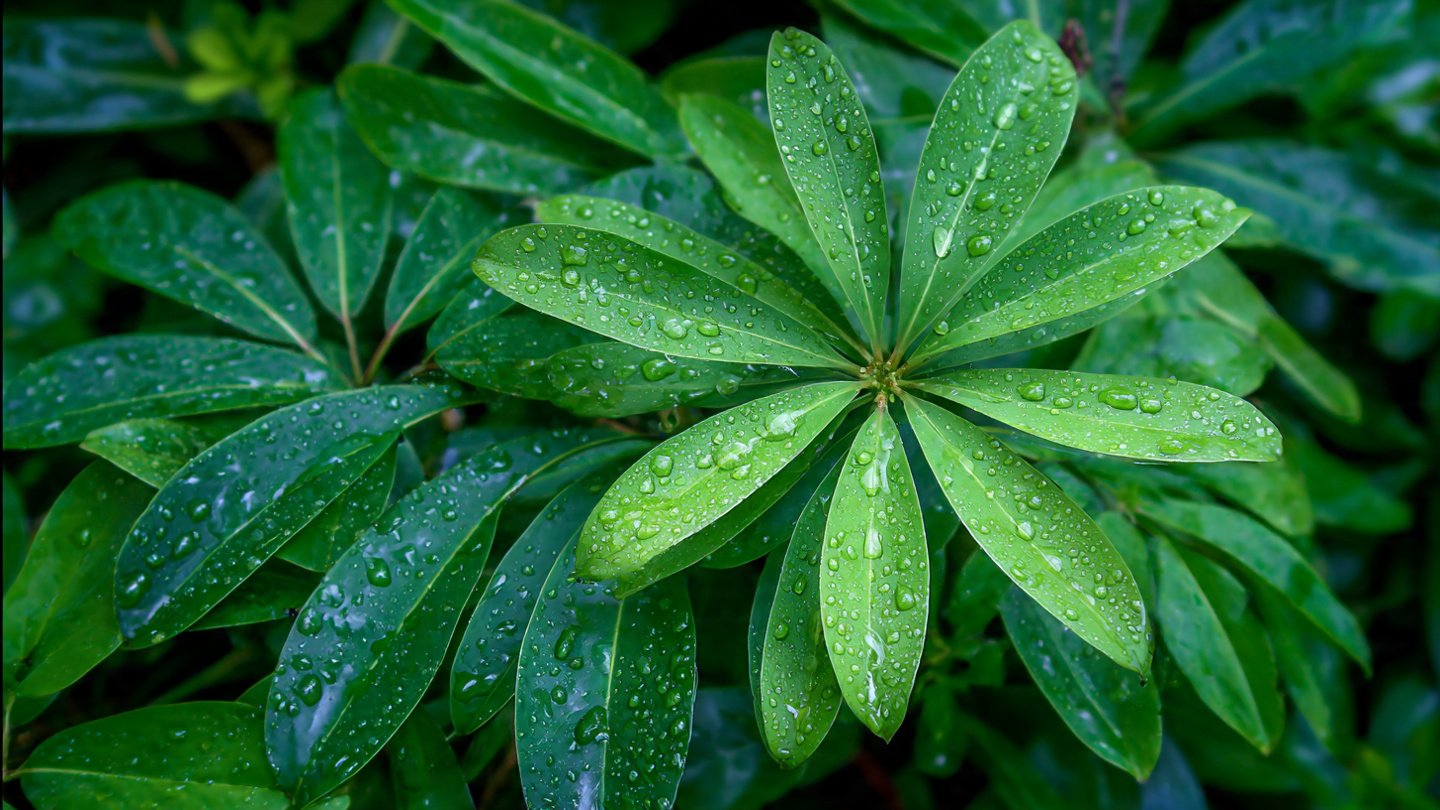
The Umbrella Plant is native to tropical regions, primarily found in New Guinea and Australia. It is well-known for its distinct leaf structure, which resembles the spokes of an umbrella. The leaves are typically glossy and can vary in color from deep green to variegated hues of green and yellow. The plant can grow quite large, making it an excellent choice for providing a background layer in garden beds.
Varieties
There are several varieties of Umbrella Plants, including:
- Dwarf Schefflera: Smaller, more compact version that thrives well in limited spaces.
- Variegated Schefflera: Features distinct green and yellow leaves, adding visual interest.
- Tree Schefflera: This larger variety can reach heights of up to 10 feet, making it perfect for dramatic backgrounds.
Choosing the Right Location
Sunlight Requirements
Umbrella Plants prefer bright, indirect sunlight. While they can tolerate some direct sun, too much can scorch their leaves. In areas with harsh sunlight, consider planting them with some shade protection or on the eastern side of your garden where they receive gentle morning light.
Soil Type
Well-draining soil is crucial for Umbrella Plants. A mix of potting soil with sand or perlite will ensure adequate drainage. They can adapt to various soil types, but they flourish best in slightly acidic to neutral pH levels.
Spacing
When planning your garden layout, spacing is essential. If you’re utilizing Umbrella Plants as a background layer, position them at the back of your garden beds. The recommended distance between each plant is typically around 3 to 5 feet, depending on the variety, to promote air circulation and prevent disease.
Propagation Methods
Seed Propagation
While less common, Umbrella Plants can be grown from seeds. This method is time-consuming and requires patience:
- Collect Seeds: Obtain seeds from a healthy plant or a nursery.
- Prepare Soil: Use a well-draining seed starting mix.
- Sow Seeds: Place seeds on the surface of the soil and lightly cover them.
- Water: Use a spray bottle to moisten the soil without washing away seeds.
- Germination: Keep the soil consistently damp and in a warm location until seeds germinate (usually takes 2-6 weeks).
Cuttings Propagation
This is the most common and effective method for propagating Umbrella Plants.
- Select a Healthy Stem: Choose a non-flowering stem with at least two or three leaves.
- Cut: Use sharp, sterile scissors to take a cutting about 4-6 inches long.
- Rooting Hormone: Dip the cut end in rooting hormone to promote root growth.
- Plant: Place the cutting in a small pot filled with a well-draining mix.
- Water and Cover: Water the cutting thoroughly and cover it with a plastic bag or a dome to create humidity.
- Monitor: After a few weeks, check for root growth by gently tugging the cutting. If there is resistance, roots have formed.
Dividing Established Plants
If you already have an Umbrella Plant, division is a straightforward method:
- Remove the Plant: Carefully take the plant out of its pot, ensuring minimal root damage.
- Divide the Root Ball: Using a sharp tool, divide the root ball into sections, each with roots and stems.
- Repot: Replant the divided sections in fresh soil and water thoroughly.
Care Tips for Umbrella Plants
Watering
Umbrella Plants prefer consistently moist but not soggy soil. Water when the top inch of soil feels dry. Overwatering can lead to root rot, while underwatering can cause leaf droop and yellowing.
Fertilizing
Fertilize your Umbrella Plants every 4-6 weeks during the growing season (spring and summer). Use a balanced, water-soluble fertilizer diluted to half strength.
Pruning
Regular pruning promotes a bushier appearance and removes any dead or yellowing leaves. The best time to prune is during the growing season when the plant is actively producing new growth.
Pest Control
While Umbrella Plants are generally resilient, they can be susceptible to pests like spider mites and aphids. Inspect your plants regularly and treat infestations with insecticidal soap or neem oil.
Integrating Umbrella Plants into Your Garden Design
Layering Techniques
Umbrella Plants make excellent backdrop plants due to their height and lush foliage. They can serve as privacy screens or windbreaks in your garden. Here are some layering tips:
- Mix with Other Plants: Pair them with flowering perennials or shrubs to add color contrast. Consider plants with different heights, like daylilies or coneflowers, to create visual interest.
- Create a Focal Point: Position a group of Umbrella Plants near a seating area or entryway. The lush foliage can act as a frame around key garden features.
- Use in Containers: For smaller spaces or patios, consider planting Umbrella Plants in decorative pots. They can be centered with trailing plants like ivy for an attractive display.
Seasonal Changes
Umbrella Plants offer year-round interest. In summer, they create a vibrant green backdrop, while in fall, their foliage can highlight the season’s rich color contrasts. If grown indoors, they can adorn various focal points throughout your home.
Troubleshooting Common Issues
Yellowing Leaves
If your Umbrella Plant’s leaves are turning yellow, it could be an indication of overwatering or poor drainage. Check soil moisture levels and ensure your pot has drainage holes.
Leaf Drop
Sudden leaf drop can occur due to changes in environment, such as moving the plant to a location with a different light intensity. Allow the plant to acclimate gradually to new conditions.
Stunted Growth
If your Umbrella Plant seems stagnant, it may need more light or nutrients. Adjust its location for more sunlight or consider increasing frequency or the amount of fertilization.
Conclusion
The Umbrella Plant serves as a striking and versatile addition to any garden. With proper care and thoughtful placement, it can be the star of your landscape design, offering beauty and functionality. Whether you are looking to create privacy, add a lush backdrop, or simply enjoy its unique foliage, understanding how to grow and maintain Umbrella Plants will ensure a thriving gardening experience. So, invest time in nurturing these wonderful plants, and enjoy the stunning displays they bring to your outdoor spaces. Happy gardening!