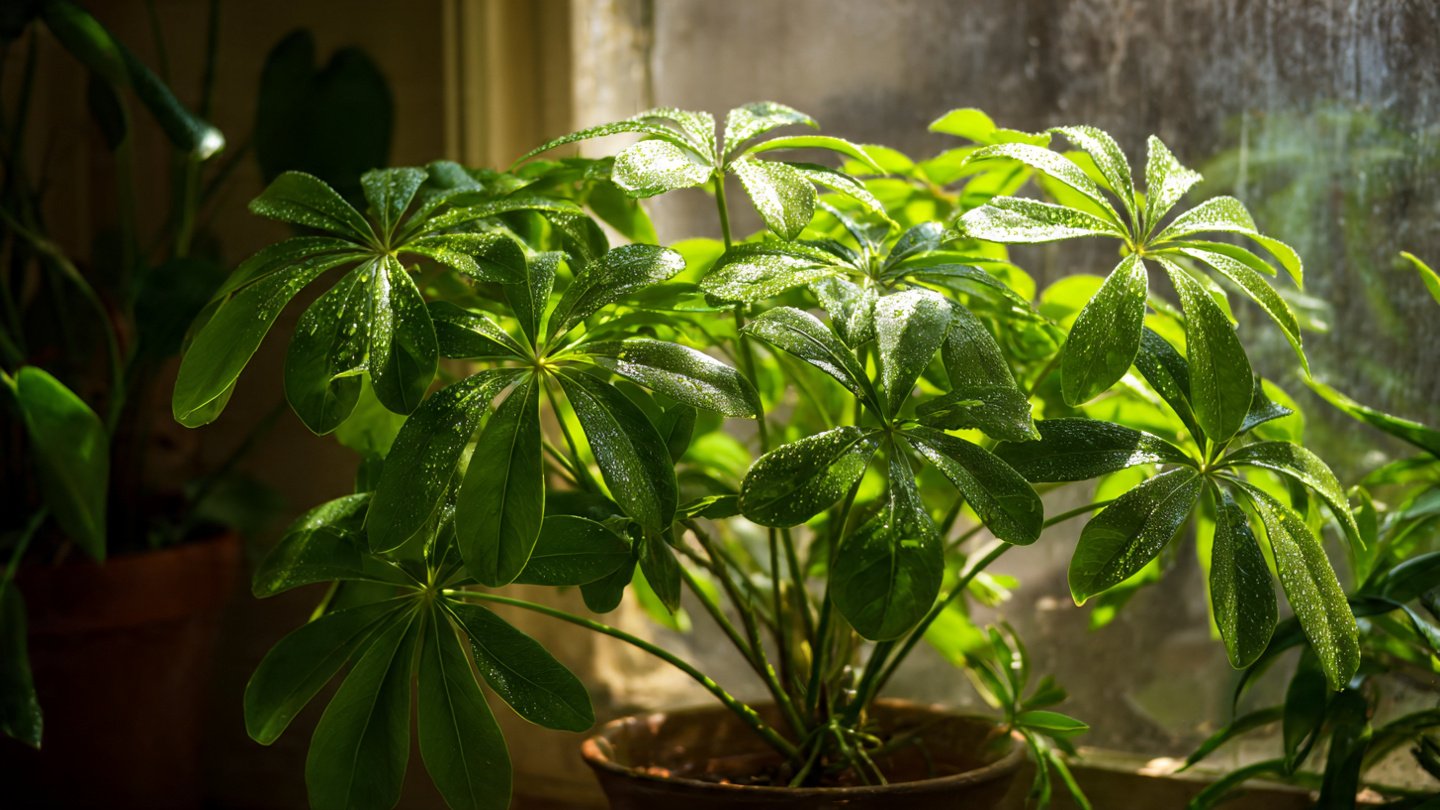
Umbrella plants, also known by their scientific name Schefflera actinophylla, are a popular choice for gardeners looking to add lush greenery and dramatic flair to their outdoor spaces. With their striking, glossy leaves that resemble the ribs of an umbrella, these plants can create an excellent backdrop for a variety of garden layouts. In this article, we’ll explore how to successfully grow and maintain umbrella plants, along with tips on incorporating them into your garden design for stunning visual impact.
Understanding the Umbrella Plant
Before diving into growth and care techniques, it’s essential to understand the umbrella plant’s characteristics and suitability for your garden.
Botanical Profile
- Common Names: Umbrella plant, octopus tree, or Australian umbrella tree.
- Family: Araliaceae.
- Origin: Native to tropical rainforests of Australia and New Guinea, it thrives in warm and humid conditions.
Appearance
Umbrella plants can grow up to 10-15 feet tall when planted in ideal conditions, but they can also be maintained at smaller sizes when grown in pots. Their leaves are typically dark green and can form a dense canopy, which is why they are often used as background planting in garden settings.
Choosing the Right Environment
Light Requirements
Umbrella plants prefer bright, indirect sunlight. They can tolerate some direct sunlight, particularly in the morning, but too much direct light can scorch the leaves. In shaded areas, the plant may not grow as vigorously or produce as many leaves.
Soil Type
Well-draining soil is critical for the health of the umbrella plant. A mix of potting soil, sand, and perlite is ideal. If planting directly in the ground, ensure the soil has good drainage to prevent root rot.
Temperature and Humidity
Since umbrella plants are native to tropical regions, they prefer warmer climates with high humidity. The ideal temperature range is between 65°F to 85°F (18°C to 29°C). If you live in a cooler climate, you may need to bring the plant indoors during the winter months or provide heat lamps to maintain a suitable temperature.
Indoor vs. Outdoor Planting
While umbrella plants can be grown indoors, they often perform better outdoors where they have access to natural light and humidity. If you’re considering an indoor planting, position your plant near a south or west-facing window, but be cautious of drafts or temperature fluctuations.
Preparing for Planting
Selecting the Right Spot
If you’re planting your umbrella plant outdoors, consider its size and the ultimate effect you want to achieve in your garden design. These plants can broadcast a sense of height and width, making them ideal for backgrounds or as standalone features.
Container vs. In-Ground Planting
If you’re in an area with poor drainage or fluctuating temperatures, consider growing your umbrella plant in a large pot. This allows you to move it if necessary and control its watering needs more easily. Ensure that your container has drainage holes to prevent water accumulation.
Planting Umbrella Plants
Step-by-Step Guide
- Soil Preparation: Ensure your chosen soil is well-structured and mixed appropriately.
- Digging a Hole: If planting in the ground, dig a hole that is twice the width and as deep as the root ball of the plant.
- Placement: Remove the plant from its current container and gently loosen any tightly bound roots. Place the plant in the center of the hole, ensuring the top of the root ball is level with or slightly above the surrounding soil.
- Backfill: Fill the hole with your prepared soil, pressing down gently to remove air pockets.
- Water: Water thoroughly to settle the soil around the roots and encourage establishment.
Care and Maintenance
Growing an umbrella plant doesn’t require constant attention, but regular care will ensure it maintains its stunning appearance.
Watering
Umbrella plants enjoy consistent moisture but dislike soggy roots. Water when the top inch of soil feels dry. During the summer, this may mean watering weekly, while in cooler climates or seasons, watering frequency may decrease.
Fertilization
Feed your umbrella plant with a balanced liquid fertilizer every four to six weeks during the growing season (spring and summer). Avoid fertilizing in the winter when growth slows.
Pruning and Shaping
To maintain the desired shape and encourage bushiness, prune your umbrella plant regularly. This involves cutting back leggy growth and removing any dead or yellowing leaves. Aim to prune during the growing season to promote healing and regrowth.
Pest and Disease Management
While umbrella plants are generally resistant to pests, they can occasionally face issues with spider mites or scale insects. Regular inspection and the use of insecticidal soap can effectively manage these problems. Fungal diseases often stem from overwatering; adjusting your watering habits should mitigate this risk.
Enhancing Your Garden Design
Background Planting
Umbrella plants can create a lush backdrop for your garden, combining well with a variety of other plants. Their significant height and broad leaves contrast beautifully with flowering plants, ornamental grasses, and smaller shrubs.
Companion Planting
When planting umbrella plants, consider companions that thrive in similar conditions. Plants such as ferns, ornamental grasses, and flowering perennials can create a dynamic landscape. Additionally, avoid planting them too close to smaller plants as their dense foliage may shade them out.
Seasonal Considerations
In colder climates, if you grow umbrella plants in pots, consider bringing them indoors during winter months. If planted in the ground, protecting the base with mulch can help insulate the roots.
Troubleshooting Common Issues
Even the best care can sometimes lead to problems. Here’s how to address some common issues you might face with umbrella plants.
Yellowing Leaves
If leaves are turning yellow, this may indicate overwatering or nutrient deficiencies. Check the soil drainage and adjust your watering routine as necessary.
Wilting Leaves
Wilting can occur from underwatering or sudden temperature changes. Ensure your plant receives adequate water, especially during dry spells, and protect it from extreme heat or cold.
Leaf Drop
Sudden leaf drop may be due to stress from relocation, overwatering, or inadequate light. Be patient and adjust conditions gradually if you recently moved the plant.
Disease
Fungal diseases can arise in too much humidity or wet soil. Ensure good air circulation and avoid watering directly on the leaves.
Conclusion
Growing an umbrella plant can significantly enhance your garden’s aesthetic value, providing a lush, tropical feel. By understanding the specific needs for light, watering, and soil, you can create the perfect environment for this striking plant. With regular maintenance and proper placement, umbrella plants will thrive in your garden, creating a stunning backdrop that harmonizes beautifully with other flora. Whether you’re a novice gardener or an experienced plant enthusiast, the umbrella plant is an excellent addition for creating breathtaking landscapes. Embrace the beauty of this tropical gem, and enjoy the transformation it brings to your outdoor space.