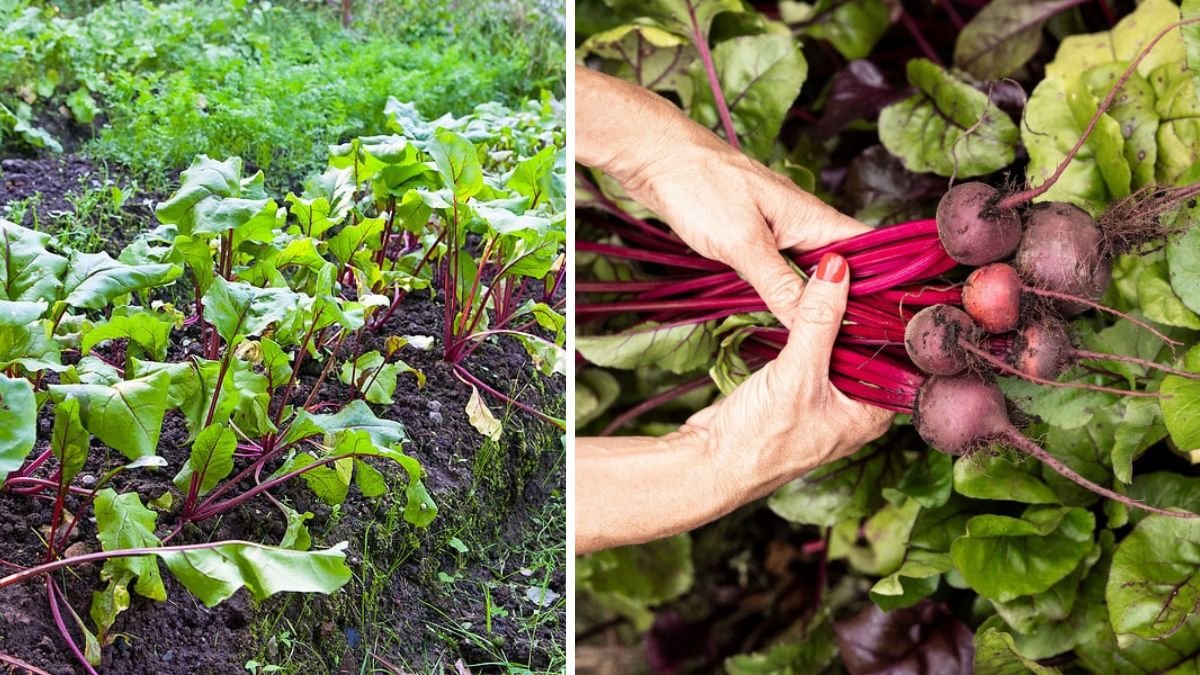
Growing your own baby beet greens at home is not only a rewarding endeavor but also a fantastic way to enhance your diet with nutritious, vibrant greens. Beet greens are packed with vitamins, minerals, and antioxidants, making them a superb addition to salads, smoothies, and cooked dishes. This comprehensive guide will walk you through everything you need to know about cultivating baby beet greens, from planting to harvesting.
Understanding Beet Greens
Before delving into the growing process, it’s essential to understand what baby beet greens are. Beet greens are the young leaves of the beetroot plant (Beta vulgaris) and are edible at any stage of growth. They offer a slightly sweet, earthy flavor similar to chard or spinach, making them versatile in the kitchen.
Benefits of Beet Greens
-
Nutritional Powerhouse: Beet greens are rich in vitamins A, C, and K, as well as calcium, iron, and antioxidants. This powerhouse of nutrients supports your immune system, promotes healthy skin, and can aid in bone health.
-
Culinary Versatility: Baby beet greens can be enjoyed in various ways. They can be eaten raw in salads, sautéed, steamed, or blended into smoothies, offering endless culinary possibilities.
-
Easy to Grow: Growing beet greens is straightforward and requires minimal gardening experience. They thrive in various conditions, making them suitable for both novice and experienced gardeners.
Step-by-Step Guide to Growing Baby Beet Greens
1. Selecting the Right Variety
While the most common beets are red, several varieties can be used for their greens, including:
-
Chioggia: Known for its striking pink and white rings, Chioggia beets have tender greens with a mild flavor.
-
Golden Beets: With bright yellow roots, this variety has softer, sweeter greens.
-
Detroit Dark Red: A popular choice for its robust flavor and dark green leaves.
Choose a variety that suits your taste and local growing conditions.
2. Preparing for Planting
Site Selection
-
Sunlight: Beet greens thrive best in full sun, requiring at least 6-8 hours of direct sunlight daily. Choose a sunny spot in your garden or consider using containers if space is limited.
-
Soil Quality: Well-drained, loamy soil rich in organic matter is ideal. The pH level should be between 6.0 and 7.5. To prepare your soil, incorporate compost or well-rotted manure to enhance fertility and drainage.
3. Planting the Seeds
-
When to Plant: In most regions, beet greens can be planted in early spring after the last frost or in late summer for a fall harvest.
-
Sowing Seeds: Sow seeds ½ inch deep and about 2-4 inches apart. If you are planting in rows, ensure they are spaced about 12-18 inches apart. This spacing allows for good air circulation and easier harvesting.
-
Watering: After planting, water the seeds thoroughly. Continue to keep the soil consistently moist but not waterlogged. Watering should be done early in the morning or late afternoon to minimize evaporation.
4. Care and Maintenance
Thin the Seedlings
Once the seedlings have emerged and are about 2-4 inches tall, thin them to allow for optimal growth. This means removing some plants to give the remaining ones enough space—ideally, 6 inches apart for healthy growth.
Watering Routine
Regular watering is crucial, especially during dry spells. Aim for about 1 inch of water per week. A mulch layer can help retain moisture and suppress weeds.
Fertilization
Fertilizing is generally not necessary if you’ve amended your soil with compost. However, if the leaves appear yellow or stunted, consider applying a balanced fertilizer, following the package instructions for application rates.
5. Pest and Disease Management
Keep an eye out for common pests like aphids, beetles, and leaf miners. You can manage pests naturally by encouraging beneficial insects, such as ladybugs, or using organic insecticidal soap when necessary.
Diseases such as downy mildew or root rot can occur in overly wet conditions. Ensure proper spacing and air circulation, avoid overhead watering, and practice crop rotation to minimize disease risks.
6. Harvesting Baby Beet Greens
Timing
Baby beet greens are ready to harvest within 30 days of planting, but you can continually harvest as they grow. For the best flavor, harvest leaves when they are young and tender, usually around 4-6 inches tall.
Harvesting Technique
To harvest, use scissors or garden shears to snip the outer leaves, allowing the inner leaves to continue growing. This method encourages a bushier plant, providing multiple harvests.
7. Storing Beet Greens
Freshly harvested beet greens should be washed and dried before storing. Place them in a perforated plastic bag or wrap them in a damp paper towel, and they can be stored in the refrigerator for up to a week. For longer storage, consider blanching and freezing the greens.
Culinary Uses for Baby Beet Greens
-
Salads: Toss fresh baby beet greens with your favorite salad ingredients for a nutritious and colorful dish.
-
Smoothies: Blend them into your smoothies for added nutrients without compromising taste.
-
Sautéed: Lightly cook them with garlic and olive oil for a delicious side dish.
-
Soup: Add them to soups for nutrition and flavor.
-
Stir-fry: Combine with other vegetables and proteins for a quick stir-fry.
FAQs about Growing Baby Beet Greens
1. How long does it take to grow baby beet greens?
Baby beet greens typically take about 30 days from seed to harvest.
2. Can I grow beet greens in containers?
Yes, beet greens can be grown in containers. Ensure the container is at least 12 inches deep and wide enough to accommodate multiple plants.
3. What is the best time of year to plant beet greens?
You can plant beet greens in early spring or late summer for a fall harvest.
4. Do I need to fertilize beet greens?
If your soil is rich in organic matter, fertilization may not be necessary. However, apply a balanced fertilizer if the plants show stunted growth or yellowing leaves.
5. Are beet greens nutritious?
Absolutely! Beet greens are high in vitamins A, C, K, iron, and calcium, making them an incredibly nutritious addition to your diet.
6. Can I eat beet greens raw?
Yes! Baby beet greens are delicious raw and can be added to salads or smoothies.
7. What pests should I watch out for when growing beet greens?
Common pests include aphids, beetles, and leaf miners. Monitor your plants regularly and use organic pest control methods if needed.
Conclusion
Growing baby beet greens at home is a simple and rewarding process that enhances your diet with fresh, nutritious produce. By following the steps outlined above, you can cultivate a bountiful harvest, enjoying these versatile greens in various culinary creations. Whether you’re new to gardening or a seasoned pro, beet greens are an excellent choice for your garden that offers both health benefits and culinary delights. Happy gardening!