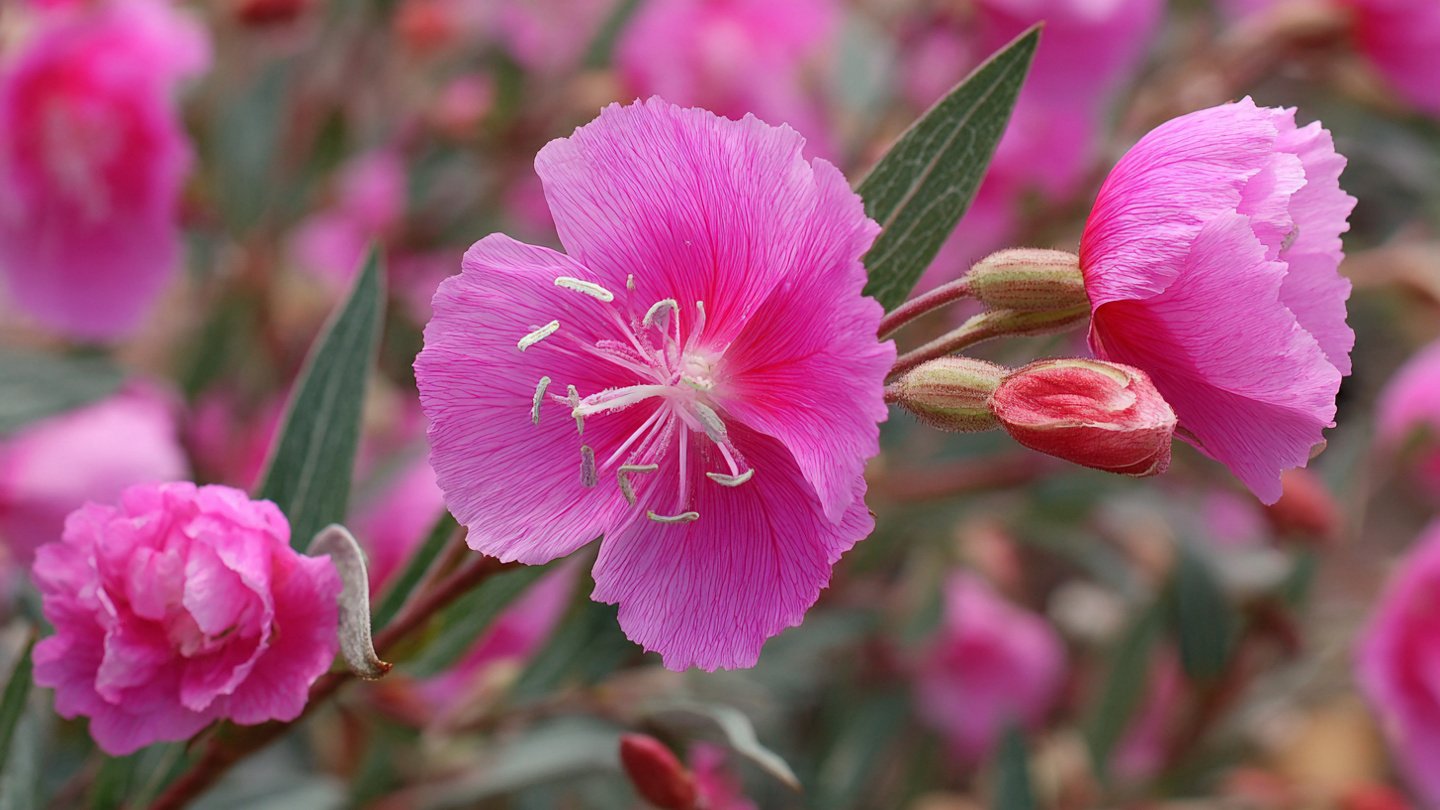
Clarkia, often known as Godetia, is a beautiful annual flower known for its stunning blossoms and easy cultivation. Native to California, these charming flowers boast a range of colors, including pink, white, purple, and red, making them a superb choice for gardens, borders, and containers. If you’re looking to add a splash of color to your spring garden, growing Clarkia is a delightful option. This comprehensive guide will cover everything you need to know about the cultivation, care, and benefits of Clarkia.
Understanding Clarkia
Clarkia is part of the evening primrose family (Onagraceae) and includes various species that grow primarily in western North America. The most commonly grown species, Clarkia unguiculata and Clarkia elegans, feature delicate petals and a bushy growth habit. Typically, these plants will bloom in late spring to early summer, providing an array of vibrant colors that attract pollinators like bees and butterflies.
Types of Clarkia
- Clarkia elegans: Known for its large, cup-shaped flowers that come in various colors. This species can grow up to 24 inches tall and is excellent for border planting.
- Clarkia unguiculata: This variety tends to have slimmer flowers and a more upright growth form. It is also drought-tolerant and thrives in well-drained soil.
- Clarkia rubicunda: Distinguished by its bright pink flowers, this species provides a showy display and grows to about 1-2 feet tall.
Benefits of Growing Clarkia
- Low Maintenance: Clarkia requires minimal care once established, making it perfect for both beginner and experienced gardeners.
- Diversity: With a range of colors and species, you can create a diverse and vibrant garden that attracts pollinators.
- Drought Tolerance: Many species are drought-resistant, which is beneficial for water-conserving gardens.
Choosing the Right Location
Sunlight Requirements
Clarkia thrives in full sun to partial shade. For optimal growth, choose a location that receives at least 6 hours of direct sunlight per day. Ensure the area isn’t overly shaded by trees or large structures that may block sunlight.
Soil Conditions
Clarkia prefers well-drained soil with a neutral to slightly acidic pH. If your garden soil is heavy or clay-like, consider amending it with organic matter, such as compost, to improve drainage and nutrient content. Avoid overly rich soil, as excessive fertility may lead to leggy growth.
Planting Time
The best time to plant Clarkia is in the spring, after the last frost. In regions with mild winters, you can also sow seeds in the fall for an early spring bloom. Check your local frost dates to determine the best planting time in your area.
Starting from Seed
Seed Selection
Always choose seeds from a reputable source to ensure quality and viability. Opt for varieties that suit your garden’s needs, considering factors such as color and height.
Seed Sowing
- Direct Sowing: Prepare the garden bed by loosening the soil and removing any weeds. Sow seeds directly onto the soil surface and cover them lightly with a thin layer of soil, about 1/4 inch deep.
- Starting Indoors: If you want to get a head start, you can sow seeds indoors 4-6 weeks before the last frost. Use seed trays filled with a seed-starting mix, planting seeds at the same depth as for direct sowing. Keep the trays in a warm location with bright, indirect light until seedlings emerge.
Thinning Seedlings
Once seedlings develop their first true leaves, thin them to prevent overcrowding. Space plants about 12-18 inches apart to allow for good air circulation and healthy growth.
Care and Maintenance
Watering
After sowing seeds or transplanting seedlings, water the plants thoroughly. Continue to water regularly, especially during dry spells. However, be cautious not to overwater, as Clarkia is susceptible to root rot in overly wet conditions. Allow the soil to dry out slightly between waterings, especially once the plants are established.
Fertilizing
Clarkia generally does not require heavy fertilization. A balanced, slow-release fertilizer applied at planting time can provide adequate nutrients. If your soil is particularly poor, consider applying a diluted liquid fertilizer every few weeks during the growing season.
Deadheading and Pruning
To prolong the blooming period, remove spent flowers by deadheading them. This encourages the plant to produce more blooms rather than focusing energy on seed production. Additionally, if plants become too leggy, you can pinch back the stems to promote bushier growth.
Pest and Disease Management
Clarkia is relatively pest-resistant, but it can be prone to aphids and spider mites. Regularly inspecting your plants will help catch any infestations early. Use organic insecticidal soap or neem oil as a treatment if pests become an issue.
Fungal diseases can occur if air circulation is poor or if plants are watered overhead. To prevent this, space plants adequately and water at the base, avoiding wetting the foliage.
Harvesting Seeds
If you’d like to collect seeds for the next planting season, allow some flowers to go to seed. As the seed pods develop and dry, you can harvest them by cutting the pods and storing them in a cool, dry place.
Soil Health and Companion Planting
Clarkia can be an excellent addition to a diverse garden. It pairs well with other annuals like Calendula and Zinnias. Additionally, consider companion planting with herbs such as basil or parsley, which can help deter pests.
Designing Your Garden
Color Combinations
With their wide array of colors, Clarkia can enhance any garden’s aesthetic. Consider planting in clusters of similar hues for a monochromatic look, or mix different colors for a vibrant display.
Planting with Other Flowers
Combine Clarkia with taller perennials or annuals to create layers in your garden. Planting them among other spring blooms like peonies or lupines can add dimension and interest.
Container Gardening
If you’re limited on garden space, Clarkia can also thrive in containers. Choose pots at least 12 inches in diameter and ensure they have adequate drainage holes. This option is particularly beneficial for patios or balconies, allowing you to enjoy their beauty in smaller spaces.
Troubleshooting Common Issues
Leggy Growth
If Clarkia plants grow tall and spindly, they may not be getting enough sunlight. Consider relocating them to a sunnier spot or reducing the number of nearby competing plants.
Powdery Mildew
This fungal disease is common in humid conditions. Increase air circulation by spacing plants apart and avoid watering the leaves. If necessary, treat with fungicide.
Faded Colors
If flowers are fading quickly, it might be a sign of nutrient deficiency or excessive shade. Assess soil conditions and ensure adequate light exposure.
Seasonal Considerations
Winter Care
In areas with mild winters, Clarkia will self-seed and return the following spring. In colder areas, consider treating plants as annuals and re-sowing seeds annually.
Springtime Care
As temperatures rise, monitor plants for signs of stress, such as wilting or browning. Ensure adequate water and consider mulching to retain moisture and regulate soil temperature.
Conclusion
Growing Clarkia is a rewarding experience that can bring vibrant colors and life to your garden in spring. With their ease of care, beautiful blooms, and ability to attract pollinators, Clarkia is an excellent addition for any gardener looking to enhance their landscape. By following the guidelines outlined in this article—from selecting the right variety and location to maintaining proper care—you can enjoy a stunning display of Clarkia blooms that will uplift your spring garden and provide joy for months to come. Whether you’re planting for a colorful border, filling pots on your balcony, or establishing a vibrant wildflower garden, Clarkia is sure to delight. Happy gardening!