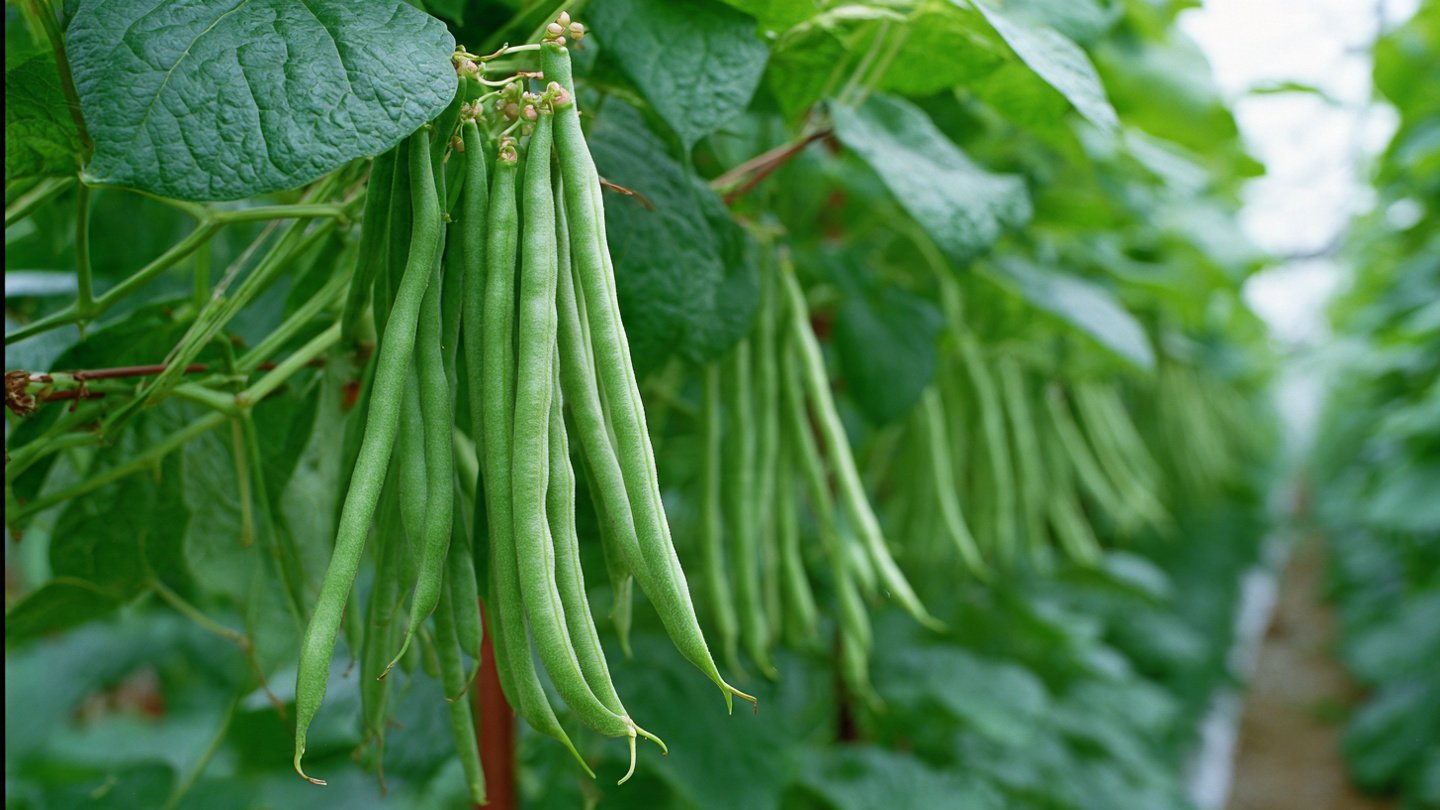
Gardening enthusiasts often face the challenge of limited space, especially in urban environments where outdoor areas are small or non-existent. For those who desire to grow their own vegetables but lack sprawling plots of land, vertical gardening is an excellent solution. French beans, also known as green beans, are a popular and productive choice for vertical gardening. Growing French beans vertically not only maximizes limited space but also improves air circulation, reduces pest problems, and simplifies harvesting. This comprehensive guide will walk you through the steps of growing French beans vertically, providing tips and techniques to help you cultivate a bountiful crop in your space-saving garden.
Why Grow French Beans Vertically?
Space Efficiency
Traditional bean plants sprawl along the ground, taking up valuable horizontal space. By training French beans to grow upward on trellises, stakes, or poles, you can grow more plants in a smaller area. This is especially beneficial for small gardens, balconies, patios, or urban settings with limited soil space.
Better Air Circulation and Reduced Disease
Growing beans vertically allows air to circulate freely around the plants, reducing humidity levels that can cause fungal diseases like powdery mildew and rust. This helps keep the plants healthy and productive.
Easier Pest Management
Pests such as slugs and snails are less likely to attack beans grown above ground. Additionally, vertical growth makes it easier to spot and deal with pest problems early.
Simplified Harvesting
With vertical bean plants, the pods hang in easy-to-see, accessible positions. This makes it simpler to pick the beans regularly, which encourages continuous production.
Choosing the Right Variety of French Beans
Before planting, select the variety of French beans best suited for vertical growth. French beans come in two main types:
- Bush Beans: These grow as short, compact plants and typically do not require support. While some bush varieties can be grown vertically with support, they generally do not climb as vigorously as pole beans.
- Pole Beans: These are climbing beans that naturally grow tall and require a support structure. Pole beans are ideal for vertical gardening because they produce higher yields per plant and can climb up trellises, poles, or other structures.
For vertical growing, choose pole French bean varieties such as:
- Blue Lake
- Kentucky Wonder
- Scarlet Runner
- Romano Pole
These varieties have strong climbing tendrils that latch onto supports and grow upward efficiently.
Preparing the Growing Site
Selecting the Location
Choose a sunny location that receives at least 6-8 hours of direct sunlight each day. Beans thrive in warm conditions and adequate sunlight is essential for flowering and pod development.
Soil Preparation
French beans prefer well-draining soil rich in organic matter. Avoid heavy clay or waterlogged soils.
- Loosen the soil to a depth of about 12 inches.
- Incorporate compost or well-rotted manure to improve fertility and drainage.
- Beans are nitrogen-fixing plants, meaning they enrich the soil with nitrogen, so avoid using excessive nitrogen fertilizers at planting which can lead to lush foliage but poor pod production.
Soil pH
French beans grow best in soil with a pH between 6.0 and 7.5. Conduct a soil test and amend the soil accordingly to maintain this range.
Building Vertical Support Structures
French beans need vertical support to climb. Here are common types of supports you can create or buy:
Trellises
Simple wooden or metal trellises are an excellent option. Place the trellis securely in the soil before planting to avoid disturbing the roots later.
Poles or Stakes
Bamboo poles, wooden stakes, or metal rods can be used in multiples to create stable supports. Insert them deep into the soil and space them according to the number of plants.
Teepees
Arrange several poles in a teepee shape, tying them at the top. This structure creates a sturdy frame for climbing beans.
Netting or String
Attach garden netting or run vertical strings between overhead structures or poles for beans to latch onto.
Ensure the support is tall enough (typically 6 to 8 feet) for the vines to climb and strong enough to hold the weight of mature plants.
Planting French Beans Vertically
When to Plant
Plant French beans after the last frost date in your region when soil temperatures have warmed to at least 60°F (15°C). Beans do not tolerate frost and cold soil conditions.
Seed Planting
- Soak seeds in water for 6-8 hours before planting to speed germination.
- Plant seeds 1-2 inches deep and about 3-4 inches apart in rows or around your chosen support.
- Space rows or supports 18-24 inches apart to allow airflow.
Direct Sowing vs. Transplanting
French beans do not transplant well due to their sensitive roots; direct sowing is recommended.
Caring for Vertical French Beans
Watering
Beans need consistent moisture but do not like soggy soil. Water regularly to keep the soil evenly moist, especially during flowering and pod development.
Mulching
Apply organic mulch such as straw or compost around the base to retain soil moisture, suppress weeds, and keep the roots cool.
Fertilizing
Once established, side-dress with compost or a balanced organic fertilizer to support continual growth and pod production.
Pruning
Generally, French beans don’t require pruning. However, removing any yellow or diseased leaves helps to improve airflow and plant health.
Supporting Vines
Guide young vines onto the support gently if they do not latch on immediately.
Managing Pests and Diseases
Common Pests
- Aphids: Small sap-sucking insects that can cluster on leaves. Spray with insecticidal soap or encourage beneficial insects like ladybugs.
- Bean Beetles: Larvae and adults chew leaves; handpick or use organic insecticides.
- Slugs and Snails: Can damage pods and seedlings; use barriers or traps.
Diseases
- Powdery Mildew: Prevent by ensuring good air circulation and avoid overhead watering.
- Rust and Mosaic Virus: Remove infected plants immediately to prevent spread.
Harvesting French Beans Vertically
- Begin harvesting when pods are about 4-6 inches long and before seeds inside plump up.
- Pick beans regularly to encourage continuous pod production.
- Use both hands when picking: hold the vine with one hand and snap the pod with the other to avoid damaging the plant.
Additional Tips for a Successful Vertical French Bean Garden
- Rotate crops yearly to prevent soil-borne diseases.
- Companion plant with crops like carrots, cucumbers, or radishes to maximize space.
- Use drip irrigation or soaker hoses to provide consistent moisture without wetting foliage.
- Train beans to grow evenly on supports by gently redirecting vines.
Conclusion
Growing French beans vertically is a smart and efficient way to maximize your gardening space while enjoying a productive harvest. By choosing the right variety, preparing good soil, providing sturdy supports, and practicing proper care and maintenance, you can successfully cultivate healthy and abundant French bean plants. Vertical gardening not only saves space but also enhances air circulation, reduces pests and diseases, and simplifies harvesting. Whether you have a small balcony, patio, or a compact backyard garden, vertical French bean growing is an excellent technique to bring fresh, homegrown beans to your table. Embrace vertical gardening and enjoy the rewards of fresh, crunchy French beans harvested right from your own garden!