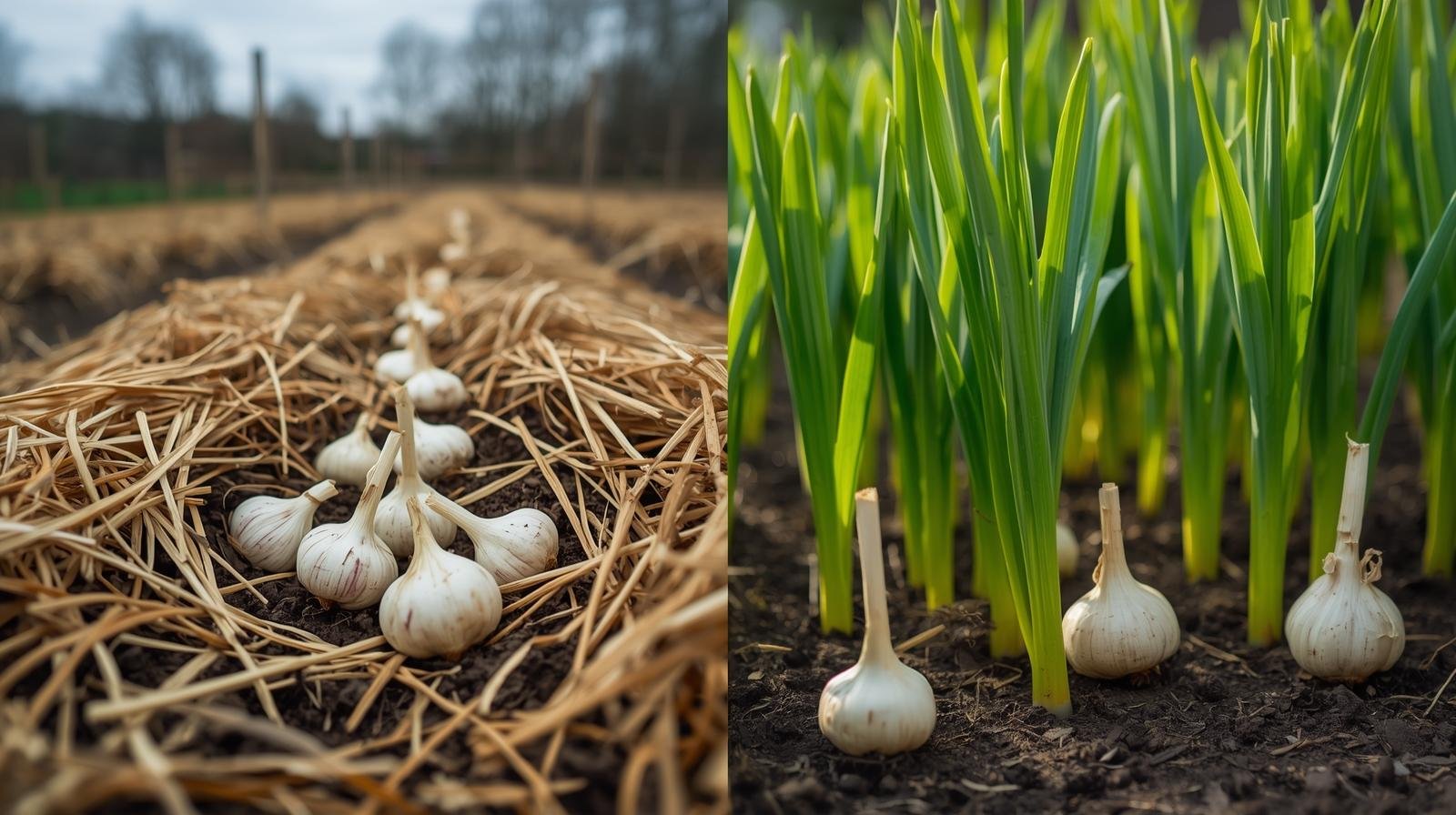
Garlic is a cold-hardy crop that thrives when planted in winter. Winter planting allows garlic to establish roots before spring growth. Cold exposure is essential for bulb formation. Many gardeners achieve better yields by planting garlic in winter. Garlic requires minimal care during cold months. Winter-grown garlic produces larger bulbs. This method uses natural seasonal cycles. Understanding winter garlic growth ensures successful spring harvests.
Understanding Garlic Growth Cycle
Garlic follows a long growth cycle. It develops roots in winter and grows leaves in spring. Bulbs form as temperatures warm. Cold exposure triggers clove separation. Garlic matures slowly but steadily. Winter dormancy protects plants. Understanding this cycle prevents premature harvesting. Patience is essential for good results. Natural timing produces strong bulbs.
Choosing the Right Garlic Variety for Winter Planting
Hardneck garlic varieties perform best in winter. They tolerate cold temperatures well. Softneck varieties suit mild climates. Choosing local varieties improves success. Hardneck garlic produces larger cloves. Flavor varies by variety. Selecting healthy seed garlic is crucial. Avoid grocery store garlic. Proper selection improves yields.
When to Plant Garlic in Winter
Timing affects garlic success greatly. Plant garlic several weeks before the ground freezes. Early planting allows root development. Late planting risks poor establishment. Soil temperature should be cool but workable. Regional climate determines exact timing. Monitoring weather helps. Proper timing ensures strong growth. Planning ahead prevents failure.
Preparing Soil for Winter Garlic
Garlic prefers loose, fertile soil. Well-drained soil prevents rot. Add compost to improve nutrients. Avoid heavy clay soils. Raised beds improve drainage. Soil preparation before planting is essential. Healthy soil supports root growth. Good preparation leads to larger bulbs. Soil quality affects yield directly.
How to Plant Garlic Cloves Correctly
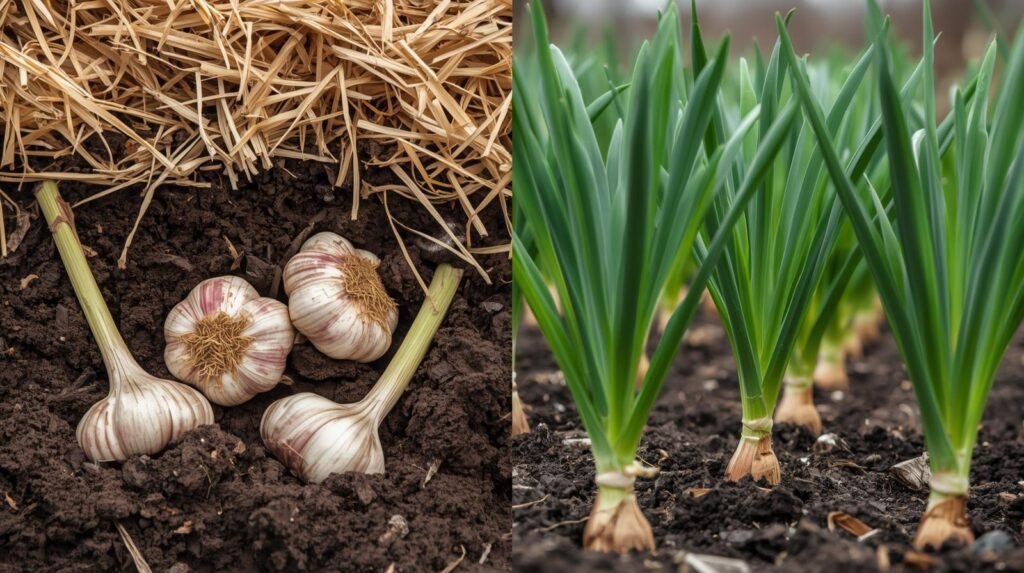
Separate garlic bulbs into individual cloves. Plant cloves pointed side up. Space cloves properly for bulb development. Plant at correct depth for insulation. Cover with soil gently. Firm soil lightly after planting. Proper spacing prevents competition. Correct planting ensures uniform growth.
Mulching Garlic for Winter Protection
Mulch protects garlic from extreme cold. Straw or leaves work well. Mulch regulates soil temperature. It prevents frost heaving. Apply mulch after planting. Remove excess mulch in spring. Mulching conserves moisture. Proper mulching improves survival. Winter protection is essential.
Watering Garlic During Winter
Garlic requires minimal watering in winter. Natural precipitation is often sufficient. Avoid waterlogging soil. Excess moisture causes rot. Good drainage is critical. Monitor soil moisture occasionally. Water lightly if soil becomes dry. Balanced moisture supports root development.
Managing Garlic During Dormant Winter Months
Garlic remains mostly dormant during winter. Minimal care is required. Avoid disturbing soil. Monitor mulch condition. Protect from animals if necessary. Dormancy allows energy storage. Winter rest is natural. Avoid fertilizing during dormancy. Patience ensures strong spring growth.
Spring Care for Winter-Planted Garlic
As temperatures rise, garlic resumes growth. Remove excess mulch gradually. Begin watering more regularly. Apply balanced fertilizer lightly. Spring care supports leaf growth. Healthy leaves support bulb formation. Avoid overwatering. Proper spring care boosts yields.
Fertilizing Garlic for Bigger Bulbs
Garlic benefits from nitrogen early in spring. Use organic fertilizers if possible. Avoid late fertilization. Excess nutrients delay bulb formation. Balanced feeding supports growth. Timing matters for bulb size. Proper nutrition increases yield. Fertilization must be controlled carefully.
Controlling Weeds Around Garlic Plants
Weeds compete with garlic for nutrients. Keep beds weed-free. Mulch suppresses weeds naturally. Avoid disturbing garlic roots. Hand weeding works best. Weed control improves bulb size. Clean beds promote airflow. Weed management improves harvest quality.
Watering Garlic During Active Growth
Garlic needs consistent moisture in spring. Avoid letting soil dry completely. Overwatering causes disease. Reduce watering near harvest. Balanced moisture supports bulb expansion. Monitor soil regularly. Proper watering ensures healthy bulbs. Water management affects flavor and size.
Recognizing Garlic Scapes and Their Use
Hardneck garlic produces scapes in late spring. Scapes should be removed for larger bulbs. Harvest scapes when curled. Scapes are edible and flavorful. Removing scapes redirects energy. This step improves bulb size. Scape removal benefits yield. Use scapes in cooking.
Common Problems When Growing Garlic in Winter
Poor drainage causes rot. Incorrect planting depth affects growth. Insufficient cold exposure limits bulb formation. Pest damage is possible. Identifying problems early helps. Adjusting care improves outcomes. Garlic is generally hardy. Most problems are preventable with preparation.
When and How to Harvest Garlic
Garlic is ready when lower leaves turn yellow. Harvest before all leaves die. Loosen soil gently. Pull bulbs carefully. Avoid damaging skins. Proper timing affects storage quality. Harvesting too late reduces shelf life. Correct harvesting ensures quality bulbs.
Curing Garlic After Harvest
Curing improves garlic storage life. Dry bulbs in a well-ventilated area. Avoid direct sunlight. Allow several weeks for curing. Trim roots and stems after curing. Proper curing enhances flavor. Storage quality depends on curing. Curing is essential for longevity.
Storing Garlic for Long-Term Use
Store garlic in a cool, dry place. Avoid refrigeration. Good airflow prevents mold. Proper storage extends shelf life. Healthy bulbs store longer. Storage conditions affect flavor. Well-stored garlic lasts months. Proper handling preserves harvest.
Benefits of Growing Garlic in Winter
Winter garlic produces larger bulbs. Cold exposure improves flavor. Minimal winter care saves effort. Spring harvests are rewarding. Homegrown garlic tastes better. Gardening becomes more efficient. Winter planting uses idle garden time. Garlic is a valuable crop.
Winter Garlic Growing Summary Table
| Aspect | Best Practice |
|---|---|
| Variety | Hardneck for cold climates |
| Planting Time | Late fall to early winter |
| Mulch | Straw or dry leaves |
| Watering | Minimal in winter |
| Harvest | Late spring to early summer |