Introduction: Why Container Herb Gardening Works
Growing herbs in small containers is an excellent solution for limited space. Urban gardeners benefit greatly from container gardening. Herbs adapt well to pots and thrive indoors or outdoors. Container gardening allows year-round cultivation. Fresh herbs enhance cooking and wellness. Containers provide control over soil and water. Even beginners succeed with herbs. Small spaces become productive gardens. Convenience makes container herbs popular.
Benefits of Growing Herbs in Containers
Container herb gardening offers flexibility and convenience. Pots can be moved easily. Soil quality is controlled. Pests are easier to manage. Herbs grow closer to kitchens. Fresh harvesting improves flavor. Containers suit balconies, windowsills, and indoors. Limited space is no longer a barrier. Herbs grow efficiently in small environments. Gardening becomes accessible to everyone.
Choosing the Right Containers for Herbs
Container size affects herb growth. Small herbs need shallow pots. Deep-rooted herbs need larger containers. Drainage holes are essential. Clay pots allow airflow. Plastic pots retain moisture. Choose based on herb needs. Lightweight containers are easier to move. Recycled containers can work well. Proper containers ensure healthy roots.
Selecting the Best Herbs for Small Spaces
Some herbs grow better in containers than others. Basil thrives in pots. Mint grows aggressively but suits containers. Parsley adapts well indoors. Thyme prefers compact spaces. Chives grow easily in small pots. Cilantro grows quickly. Oregano spreads gently. Choose herbs based on usage. Selection ensures success.
Soil Requirements for Container Herbs
High-quality potting mix is essential. Garden soil is too heavy. Herbs need good drainage. Organic matter improves fertility. Avoid water-retaining mixes. Light soil prevents root rot. Proper soil supports growth. Refresh soil annually. Balanced soil ensures productivity.
Light Requirements for Year-Round Growth
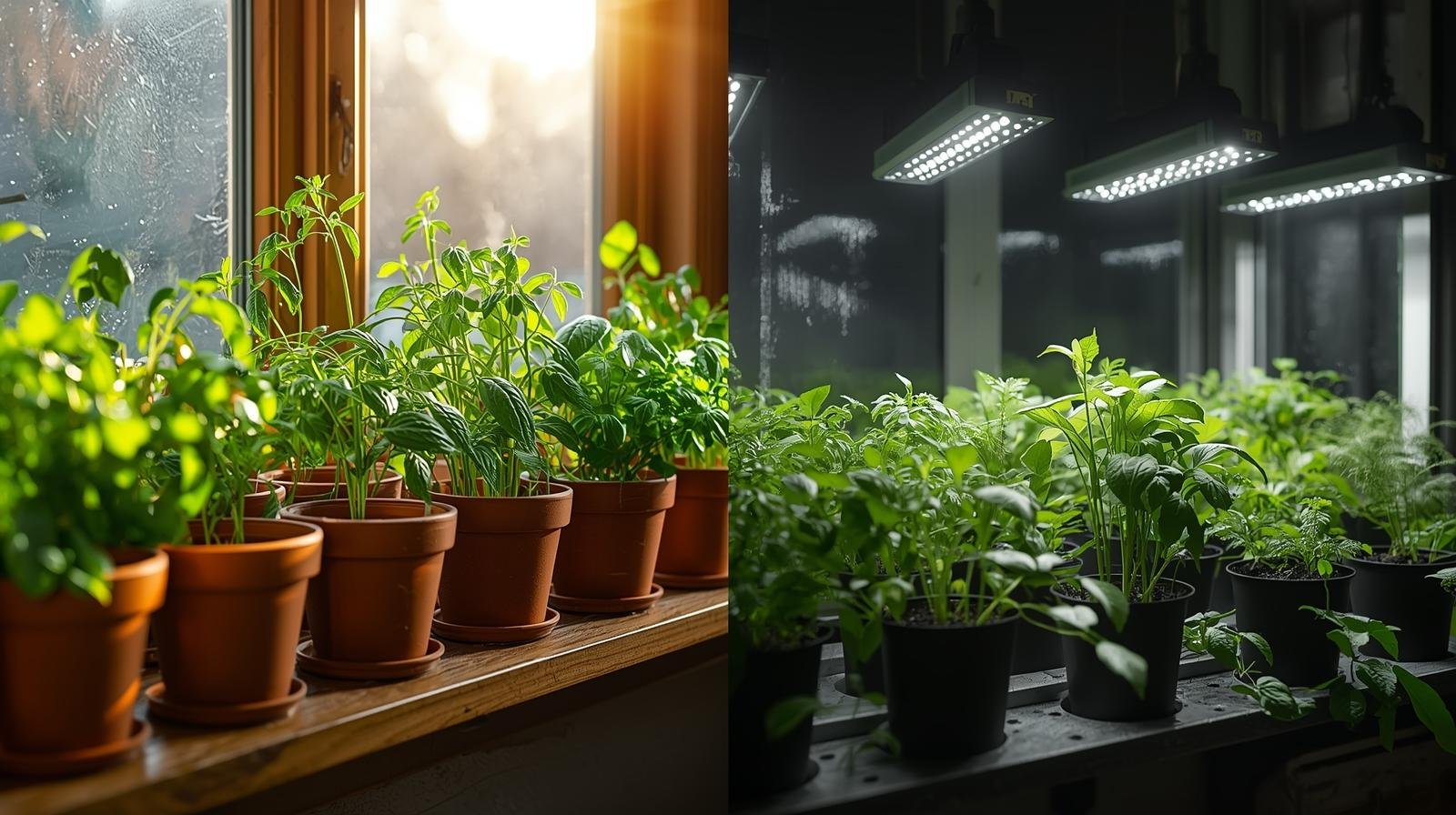
Herbs need adequate sunlight. Most require six hours daily. South-facing windows work best. Supplemental grow lights help in winter. Rotate pots regularly. Insufficient light causes weak growth. Consistent light maintains flavor. Indoor placement matters. Light management ensures success.
Watering Herbs in Small Containers
Containers dry faster than ground soil. Regular watering is essential. Overwatering causes root rot. Check soil moisture frequently. Water until excess drains out. Morning watering is best. Avoid wet leaves indoors. Consistency prevents stress. Balanced watering keeps herbs healthy.
Temperature Control for Indoor Herbs
Herbs prefer moderate temperatures. Avoid cold drafts. Keep away from heaters. Consistent warmth supports growth. Indoor temperatures work well. Sudden changes stress plants. Monitor seasonal changes. Adjust placement accordingly. Stability ensures year-round growth.
Fertilizing Container Herbs Properly
Herbs need light feeding. Overfertilization reduces flavor. Use organic fertilizers. Feed every few weeks. Compost tea works well. Nutrients support leaf growth. Balanced feeding improves health. Avoid chemical buildup. Moderation preserves taste.
Pruning and Harvesting Herbs Regularly
Regular pruning encourages bushy growth. Harvest frequently but gently. Never remove more than one-third. Pinch tips for branching. Use clean tools. Harvest in the morning. Regular use prevents flowering. Pruning maintains shape. Healthy harvesting boosts yield.
Growing Herbs Indoors During Winter
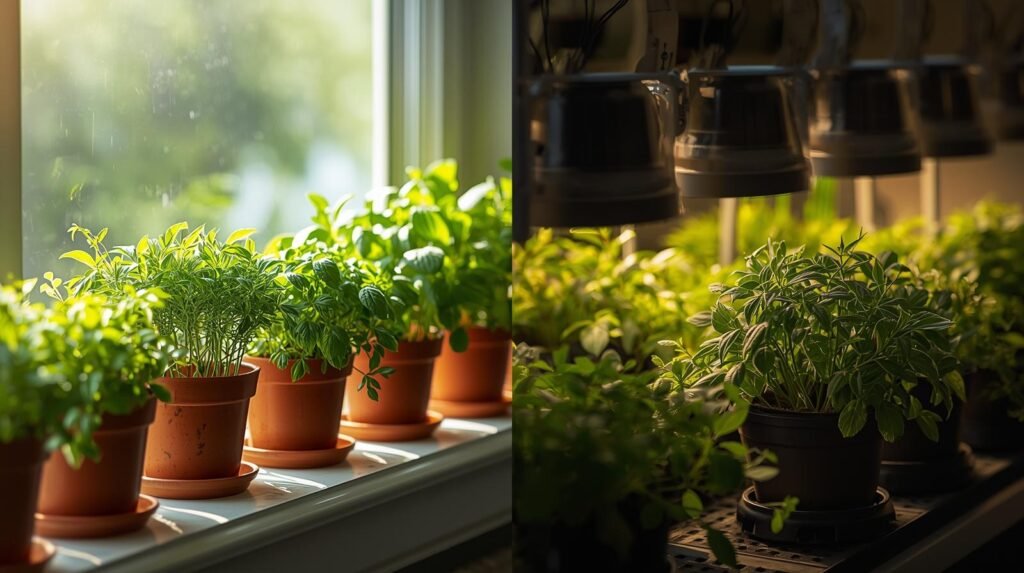
Indoor growing requires extra light. Use grow lights if needed. Reduce watering frequency. Maintain humidity levels. Rotate plants for even growth. Indoor herbs grow slower. Patience is required. Winter care differs from summer. Adapt methods seasonally.
Managing Pests in Container Herbs
Inspect plants regularly. Indoor pests include aphids and mites. Use neem oil if needed. Avoid chemical sprays. Healthy plants resist pests. Proper airflow helps. Clean leaves regularly. Isolation prevents spread. Prevention is key.
Companion Planting in Containers
Some herbs grow well together. Basil and parsley pair well. Rosemary prefers separate pots. Mint should be isolated. Companion planting saves space. Similar needs ensure success. Avoid overcrowding. Balanced combinations improve growth. Planning matters.
Rotating Herbs Throughout the Year
Rotate herbs for even light exposure. Move pots outdoors seasonally. Protect from extreme weather. Rotation prevents stress. Seasonal adjustment improves yield. Flexibility enhances growth. Containers make rotation easy. Observation guides movement.
Common Mistakes in Container Herb Gardening
Overwatering is frequent mistake. Using poor soil reduces growth. Insufficient light weakens plants. Overcrowding limits airflow. Ignoring pruning causes legginess. Mistakes reduce productivity. Awareness improves success. Learning builds confidence.
Extending Herb Life Cycle Naturally
Regular harvesting extends life. Prevent flowering early. Maintain soil fertility. Provide consistent light. Avoid stress conditions. Healthy herbs last longer. Careful attention pays off. Longevity improves supply. Small efforts make difference.
Storing and Using Homegrown Herbs
Harvest herbs as needed. Store fresh herbs properly. Dry or freeze excess. Use in cooking and teas. Homegrown herbs taste better. Efficient storage reduces waste. Fresh herbs enhance meals. Practical use adds value.
Long-Term Benefits of Container Herb Gardening
Year-round fresh herbs save money. Gardening reduces stress. Indoor greenery improves air quality. Cooking becomes healthier. Skills improve over time. Sustainable habits form. Small spaces become productive. Long-term rewards are satisfying.
Table: Herbs Suitable for Small Containers
Herb Name
Basil grows well in medium-sized pots
Light Requirement
Thyme prefers bright sunlight
Watering Needs
Mint requires consistent moisture
Growth Habit
Chives remain compact and manageable