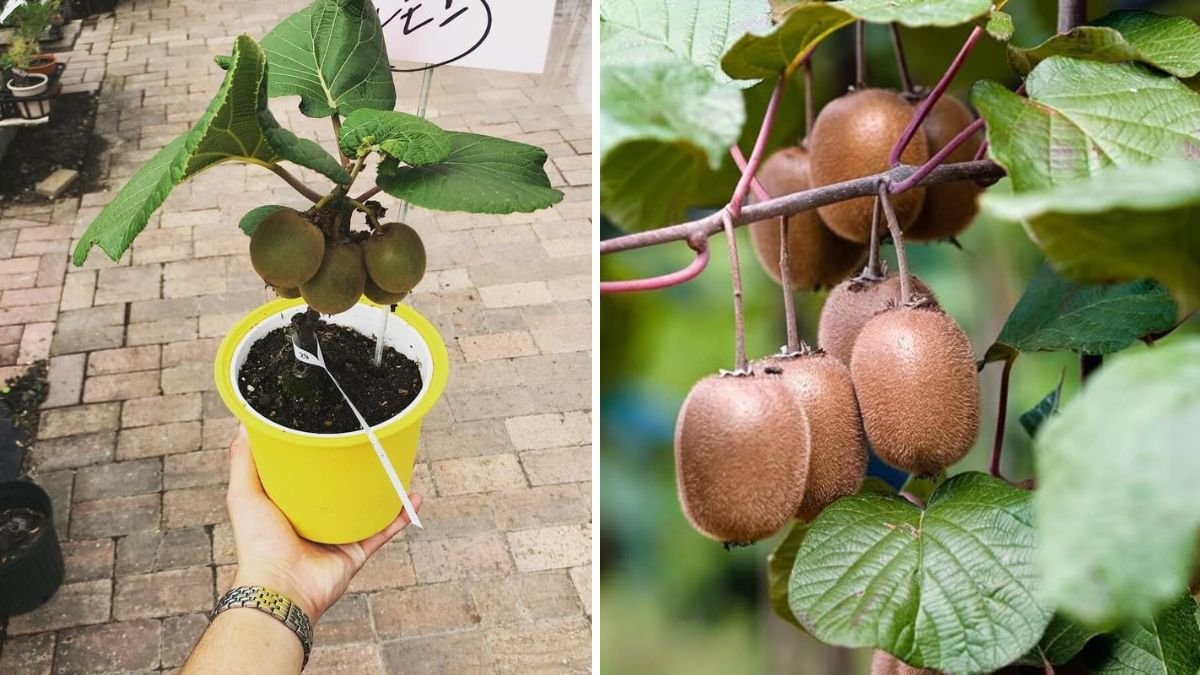
Kiwi, often called the “fruit of immortality,” is loved worldwide for its tangy-sweet flavor and rich nutritional profile. Packed with vitamin C, antioxidants, and fiber, it supports immunity, digestion, and overall wellness. While buying kiwi from the store is easy, growing your own kiwi at home from seeds is a fun, rewarding, and surprisingly simple project—even without a large garden.
In this article, we’ll guide you step by step on how to grow kiwi from fruit seeds, what care it needs, and how to enjoy your own homegrown kiwi plants.
🌿 Why Grow Kiwi at Home?
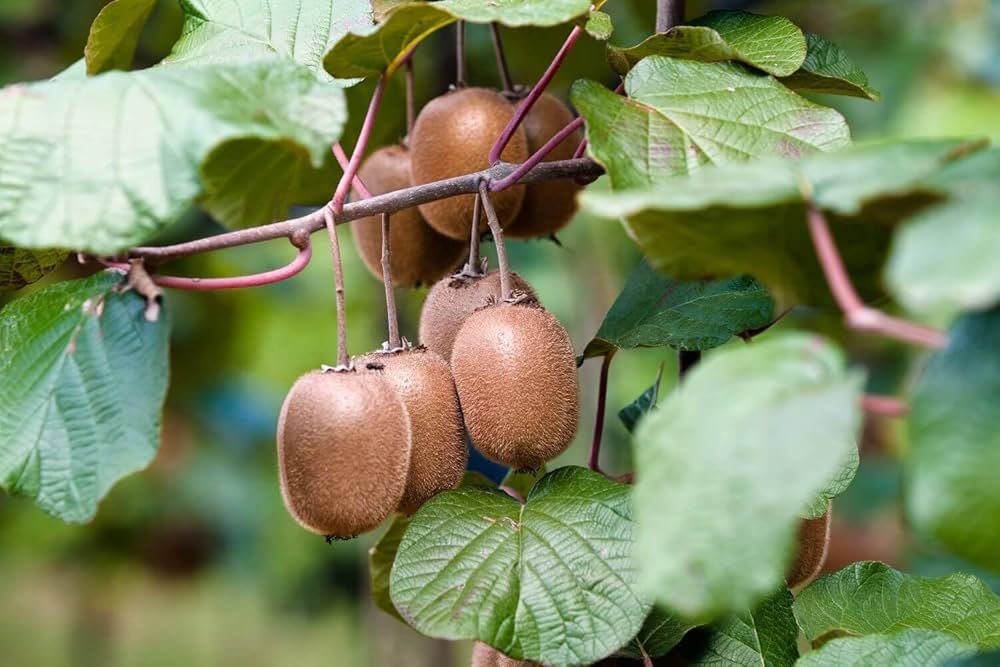
Growing kiwi at home offers numerous benefits:
- Fresh and chemical-free: You control the soil, water, and fertilizers.
- Cost-effective: Grow multiple plants from a single kiwi fruit.
- Educational and fun: Learn about seed germination and plant growth.
- Space-saving options: Kiwi vines can grow in pots, trellises, or small terraces.
- Sustainable: Reduce fruit waste by planting seeds from store-bought kiwi.
Homegrown kiwi is not only delicious but also a satisfying gardening project.
🥝 Step 1: Choosing Kiwi Fruits for Seeds
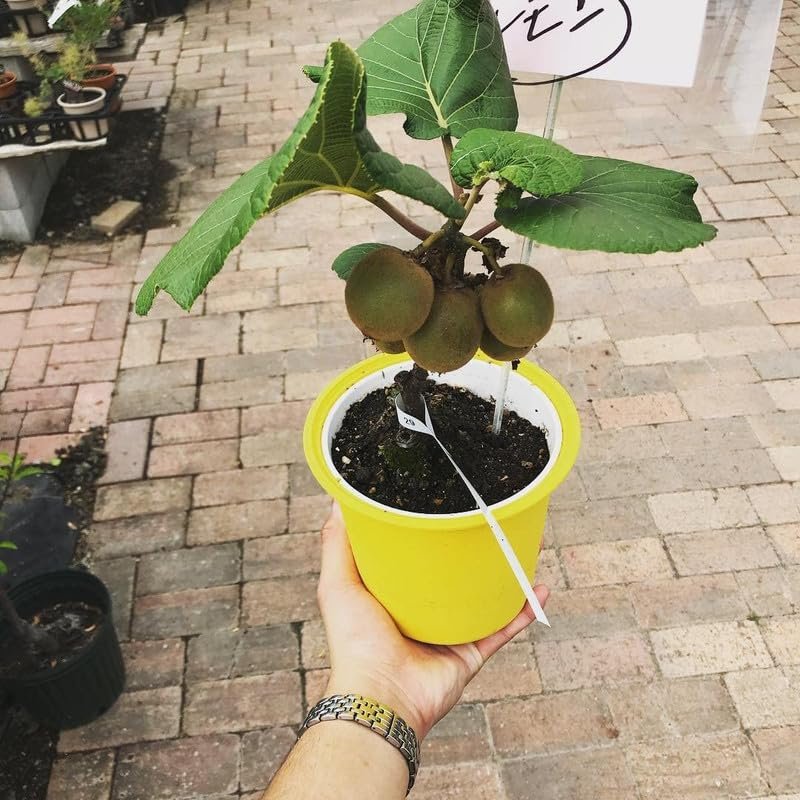
The first step is selecting the right kiwi fruit:
- Choose a ripe, healthy kiwi fruit—soft to the touch but not overripe.
- Organic kiwi is preferable to avoid pesticide residues.
- Use only the seeds from inside the fruit, as they are viable for germination.
Good quality seeds increase the chances of successful germination and healthy plants.
🌱 Step 2: Extracting and Preparing Seeds
Proper preparation of kiwi seeds is crucial:
- Cut the kiwi and scoop out the seeds along with the surrounding pulp.
- Rinse the seeds gently under water to remove the fruit residue.
- Optional: Soak the seeds in lukewarm water for 24 hours to encourage faster germination.
- Pat the seeds dry with a paper towel.
This preparation ensures clean seeds that germinate efficiently.
🪴 Step 3: Preparing the Planting Medium
Kiwi seeds require a light, well-draining soil mix for germination:
Recommended soil mix:
- 2 parts garden soil
- 1 part sand or perlite for aeration
- 1 part compost for nutrients
Fill a seed tray, shallow container, or small pot with this mixture. Ensure the soil is moist but not waterlogged.
A suitable planting medium ensures healthy roots and early seedling growth.
🌱 Step 4: Sowing Kiwi Seeds
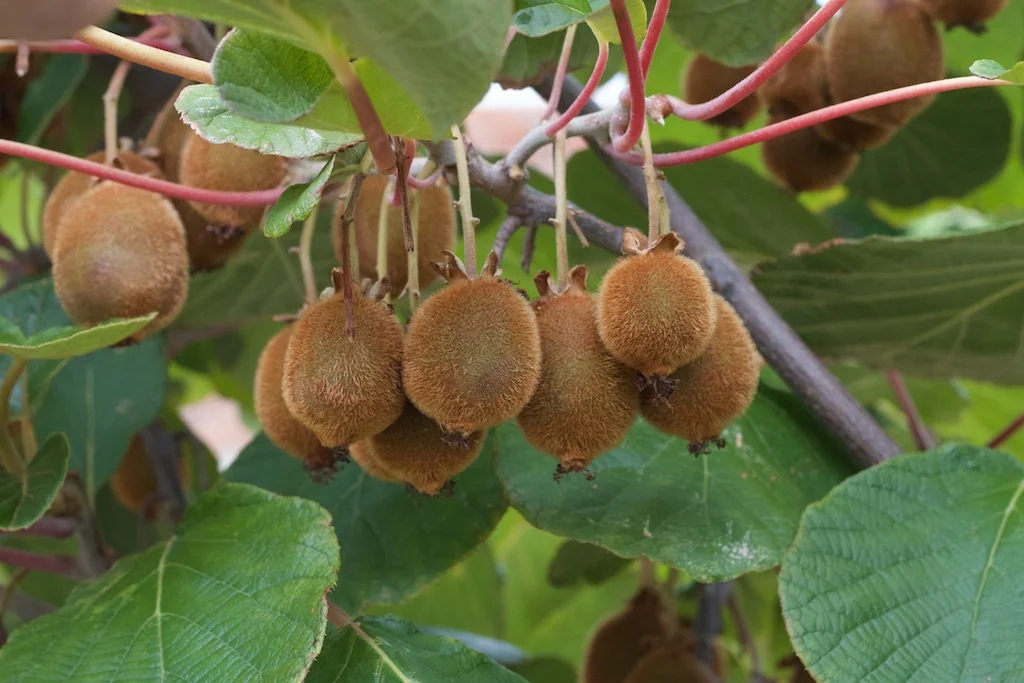
Planting the seeds correctly improves germination rates:
- Place seeds on the soil surface, spacing them 1–2 cm apart.
- Lightly cover with a thin layer of soil or sand.
- Mist gently with water to avoid washing away seeds.
- Cover the container with plastic wrap or a transparent lid to maintain humidity.
With proper sowing, seeds usually germinate within 2–4 weeks.
🌞 Step 5: Providing Light and Temperature
Kiwi seeds require warmth and light for germination:
- Keep the container in a bright location with indirect sunlight.
- Ideal temperature for germination: 20–25°C (68–77°F).
- Avoid direct sunlight that may dry out the seeds.
- Remove the cover once seedlings appear to allow air circulation.
Correct light and warmth ensure strong, healthy seedlings.
💧 Step 6: Watering Kiwi Seedlings
Watering is essential but must be balanced:
- Keep the soil consistently moist but not soggy.
- Mist seedlings daily in dry climates.
- Avoid overwatering, which can cause rot or fungal issues.
Proper moisture encourages vigorous growth and strong root development.
🪴 Step 7: Transplanting Kiwi Seedlings
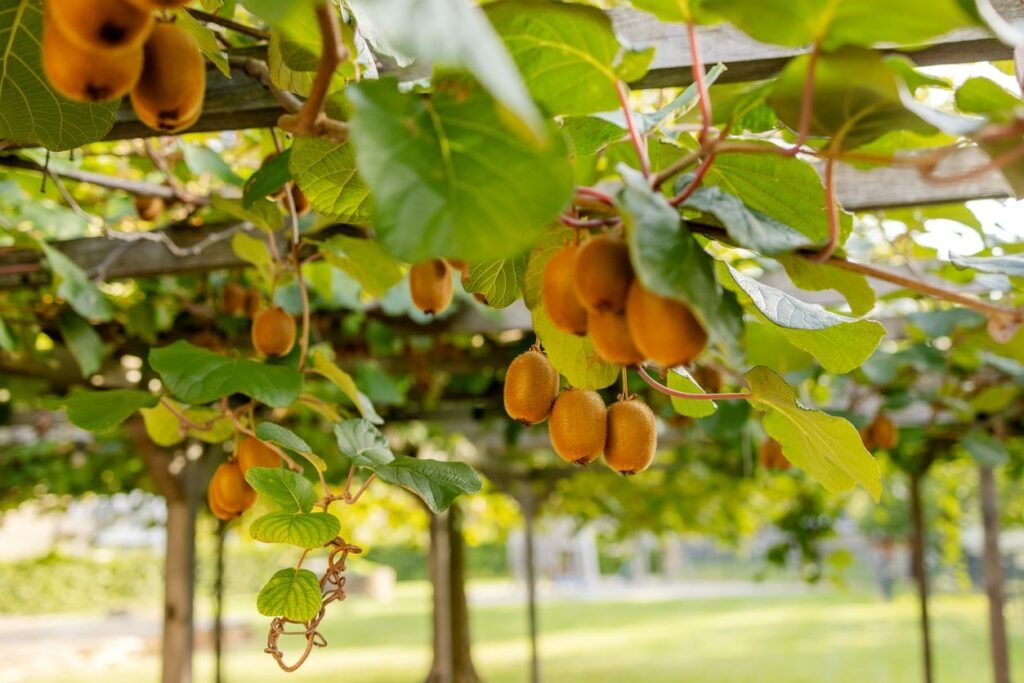
Once seedlings have 2–3 sets of true leaves, they are ready to move into bigger containers:
- Choose pots or containers at least 12 inches deep for root growth.
- Use the same well-draining soil mix as before.
- Handle seedlings carefully to avoid damaging roots.
- Plant one seedling per pot for optimal growth.
Transplanting ensures strong vines capable of producing fruit later.
🌿 Step 8: Supporting Kiwi Vines
Kiwi is a climbing vine, so proper support is essential:
- Install trellises, stakes, or wires near the plant.
- Train the vine gradually as it grows.
- Prune lateral shoots to encourage strong main growth.
- Provide a sunny location with good airflow to prevent fungal diseases.
Supporting vines correctly leads to robust plants and better fruit production.
🌱 Step 9: Fertilizing Kiwi Plants
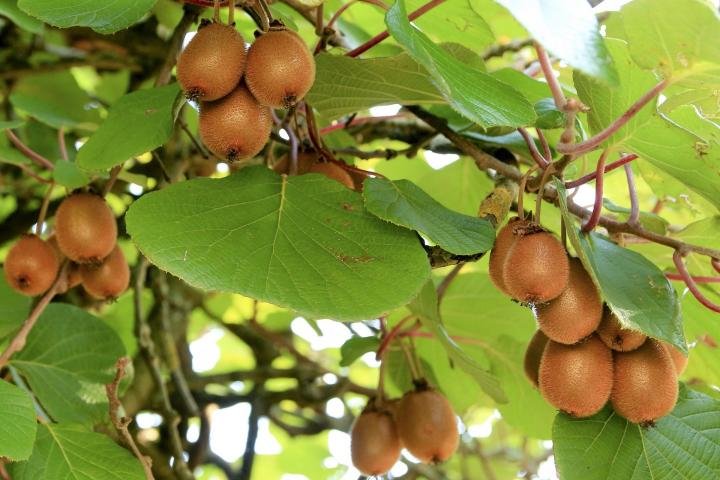
Fertilization is key to growth and fruiting:
- Use organic compost or well-rotted manure every 4–6 weeks.
- Apply a balanced N-P-K fertilizer during the first 6–8 months.
- Once the plant starts flowering, use a high-phosphorus fertilizer to promote fruiting.
- Avoid excessive nitrogen, which encourages leaf growth over flowers.
Well-fed kiwi plants produce healthy leaves, strong vines, and abundant fruit.
🕒 Step 10: Flowering and Fruiting
Kiwi plants grown from seeds can take 3–5 years to produce fruit, depending on care:
- Male and female plants are required for pollination.
- Only female plants produce fruit, so grow multiple seedlings to ensure a male vine nearby.
- Flowers appear at the vine’s nodes; pollination can be aided by hand pollination if necessary.
With patience, your homegrown kiwi plants can reward you with delicious, tangy fruits.
🌟 Step 11: Harvesting Kiwi
Signs kiwi is ready to harvest:
- Fruit turns slightly soft when pressed gently.
- Skin develops a slightly brownish, fuzzy appearance.
- Pick carefully to avoid damaging the vine.
Store harvested kiwi in cool, dry conditions for longer shelf life.
Homegrown kiwi is tender, sweet, and nutrient-rich compared to store-bought varieties.
💡 Step 12: Tips for Success
- Use fresh, high-quality seeds from ripe kiwi.
- Maintain consistent moisture and proper sunlight.
- Support vines with trellises or wires.
- Fertilize regularly for healthy growth and fruiting.
- Be patient—seed-grown kiwi takes years to mature, but the rewards are worth it.
Following these tips ensures vibrant plants and delicious homegrown kiwi.
🏡 Benefits of Growing Kiwi at Home
- Fresh, nutritious kiwi year-round – chemical-free and full of flavor.
- Space-efficient – ideal for terraces, balconies, or small gardens.
- Cost-effective – grow multiple plants from a single fruit.
- Eco-friendly – reduces fruit waste by planting seeds.
- Educational and fun – perfect for learning about plant growth and vine training.
Growing kiwi at home is rewarding, sustainable, and practical.
🍀 Step 13: Conclusion – Your Homegrown Kiwi Paradise
Growing kiwi from fruit seeds is an amazing, fun, and productive gardening project. Even without a garden, you can enjoy fresh, chemical-free kiwi using pots, trellises, and proper care.
From extracting seeds and sowing to watering, transplanting, supporting vines, and harvesting, the entire process is simple yet rewarding. With patience and dedication, your kiwi seeds can grow into vibrant, fruit-bearing vines that provide years of delicious harvests.
Start today, plant your kiwi seeds, and watch your home transform into a mini kiwi orchard. The tangy-sweet fruits, lush green leaves, and satisfaction of growing your own food are experiences you’ll never forget.