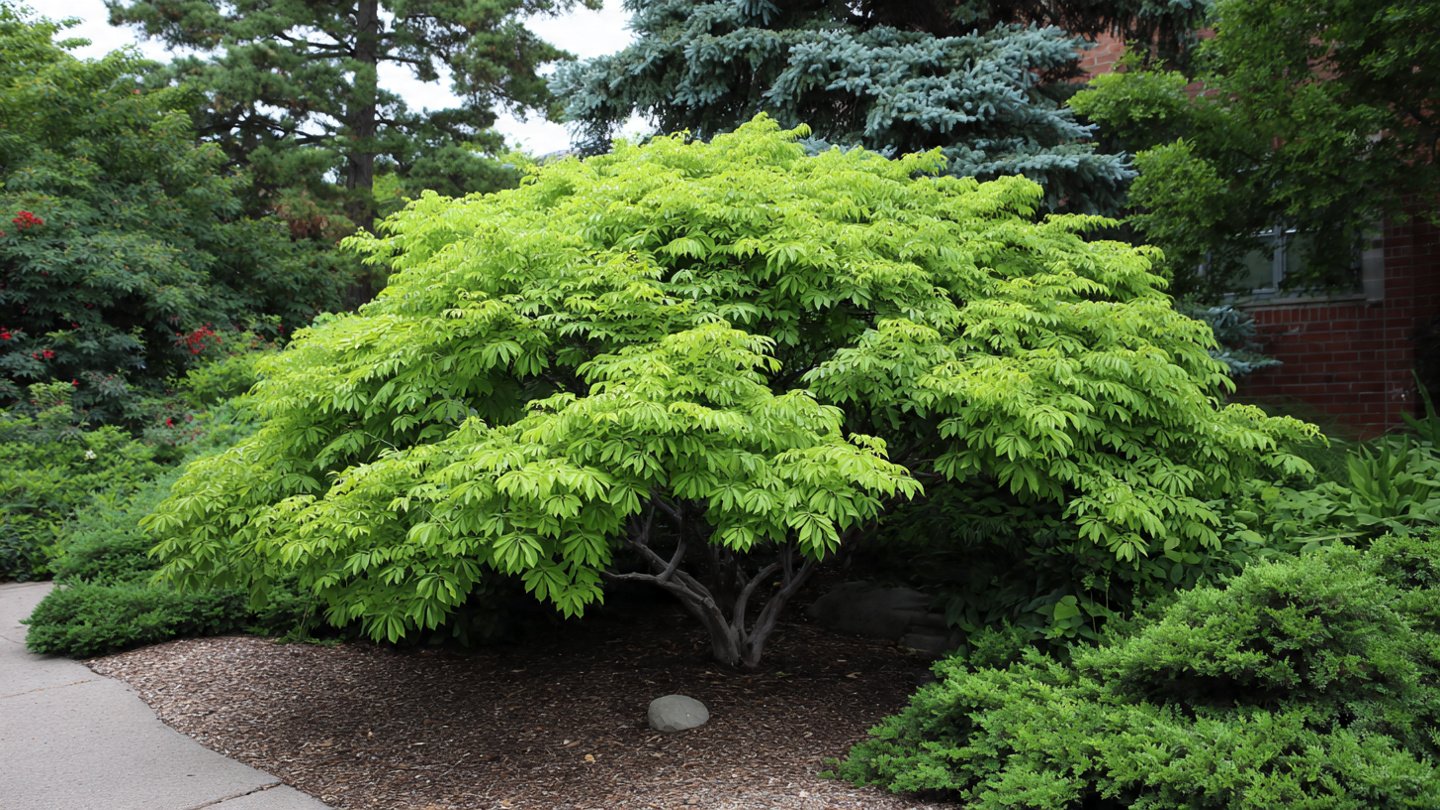
How to Grow Ming Aralia as a Stunning Landscape Shrub
Introduction
Ming Aralia (Polyscias fruticosa) is a tropical shrub known for its striking appearance and lush foliage. Native to tropical regions of the Pacific Islands and Southeast Asia, this evergreen shrub is an excellent choice for diversifying your landscape design. With its tall, bushy growth habit and unique, fern-like leaves, Ming Aralia can serve as a focal point in your garden, adding exotic charm and elegance. In this guide, we will explore how to grow and maintain Ming Aralia, making it a stunning landscape shrub.
Understanding Ming Aralia
Ming Aralia can grow up to 10 feet tall, although it can be pruned to maintain a smaller size, typically ranging between 2 to 6 feet in residential gardens. The plant’s rich green, glossy leaves can grow up to 12 inches long and are usually arranged in a spiral. The leaves’ unique shape, reminiscent of the fingers of a hand, adds an intricate dimension to the garden.
In addition to its aesthetic appeal, Ming Aralia has a relatively low maintenance requirement, making it suitable for novice gardeners and landscape designers alike. It can also be grown indoors, thanks to its adaptability.
Choosing the Right Location
Sunlight Requirements
Ming Aralia thrives best in partial shade to full sun. While it can tolerate full sun, too much direct sunlight may scorch its leaves. Ideally, select a spot that receives filtered sunlight or dappled shade, particularly during the hottest parts of the day. If grown indoors, place it near a window with indirect light.
Soil Conditions
The ideal soil for Ming Aralia is well-draining and rich in organic matter. A mixture of peat moss, compost, and perlite can provide the necessary drainage and nutrients. Aim for a slightly acidic to neutral pH (between 6.0 and 7.0) to promote optimal growth.
Planting Ming Aralia
Step-by-step Guide to Planting
-
Preparation: Before planting, select a healthy Ming Aralia specimen from a reputable nursery. Make sure it has robust foliage without signs of pests or diseases.
-
Site Selection: Choose a location that meets the light and soil requirements mentioned above. Use a spade to remove any weeds or grass and loosen the soil in the area where you’ll plant.
-
Digging the Hole: Dig a hole that is about twice as wide and the same depth as the root ball of your Ming Aralia. This will give the roots sufficient space to expand.
-
Planting: Place the plant in the hole, ensuring the top of the root ball is level with the surrounding soil. Fill the hole with the amended soil mixture, gently patting it down to remove air pockets.
-
Watering: After planting, water the Ming Aralia well to help it establish itself. Aim to keep the soil consistently moist but not soggy during the initial growth phase.
-
Mulching: Add a 2- to 3-inch layer of mulch around the base of the plant to retain moisture, suppress weeds, and regulate soil temperature.
Caring for Ming Aralia
Watering
Ming Aralia prefers consistent moisture, especially during its active growing season in spring and summer. Water it deeply whenever the top inch of soil feels dry. Be careful not to overwater, as this can lead to root rot.
Fertilizing
To promote healthy growth, fertilize Ming Aralia every 4 to 6 weeks during the growing season with a balanced fertilizer diluted to half strength. Generally, a 20-20-20 or similar nutrient blend will suffice.
Pruning
Regular pruning is crucial to maintaining the desired shape and size of your Ming Aralia, particularly if you’re using it as a hedge or focal point in your landscape. Prune in early spring before new growth begins. Remove any damaged or dead branches and thin out crowded areas to improve air circulation.
Pest and Disease Management
Although Ming Aralia is relatively pest-resistant, it may occasionally attract pests like spider mites and scale. Keep an eye on your plant, and if you notice any signs of infestation, treat it with insecticidal soap or neem oil.
Additionally, ensure proper watering practices to prevent root rot, which can occur if the plant is overwatered or the soil does not drain well.
Designing Your Landscape with Ming Aralia
Focal Points and Borders
Ming Aralia can serve as a stunning focal point in your garden. Its tall stature and lush foliage make it an excellent option for placement at the back of flower beds or as a standalone feature. Alternatively, you can create a border or hedge by planting Ming Aralia in a row, providing privacy and a natural barrier.
Complementing Plants
When integrating Ming Aralia into your landscape, consider combining it with other plants that complement its lush appearance. Tropical plants like Bird of Paradise (Strelitzia spp.), Hibiscus, or various ferns can create a vibrant, exotic atmosphere.
Indoor Cultivation
For those limited on outdoor space, Ming Aralia can be easily cultivated indoors. Potting in a container that allows for sufficient drainage is essential. Indoor conditions require the same attention to light and moisture as outdoor plants, though it may be necessary to adjust watering frequency based on indoor humidity levels.
Tips for Indoor Care
- Light: Ensure the plant receives sufficient indirect sunlight; if your home lacks natural light, consider using grow lights.
- Humidity: Ming Aralia thrives in humid conditions. Mist the leaves occasionally or use a humidity tray to maintain moisture in the air.
- Repotting: Every couple of years, or when the roots outgrow the pot, it’s essential to repot your Ming Aralia into a slightly larger container with fresh potting mix.
Troubleshooting Common Issues
Yellowing Leaves
If you notice yellowing leaves, it may be a sign of overwatering or nutrient deficiencies. Check your watering habits and consider adjusting your fertilization routine.
Leaf Drop
Leaf drop can occur due to changes in environmental conditions, such as sudden temperature shifts or inadequate watering. Ensure that the plant is not exposed to drafts and maintain a consistent watering schedule.
Pests
As mentioned earlier, spider mites and scale can be common issues. Regularly inspect your Ming Aralia and treat as necessary to keep pests at bay.
Conclusion
Ming Aralia is a versatile and stunning plant that can enhance any garden or interior space. With careful attention to its light, moisture, and soil requirements, you can cultivate a lush, beautiful shrub that stands out in your landscape. Whether you’re using it to create a tropical paradise in your backyard or a striking décor piece indoors, Ming Aralia is a sophisticated addition that promises to elevate your gardening experience.
By following the steps and tips outlined in this guide, you’ll be well-equipped to grow and enjoy this breathtaking greenery in all its glory.