Introduction to Growing Miracle Fruit from Seed
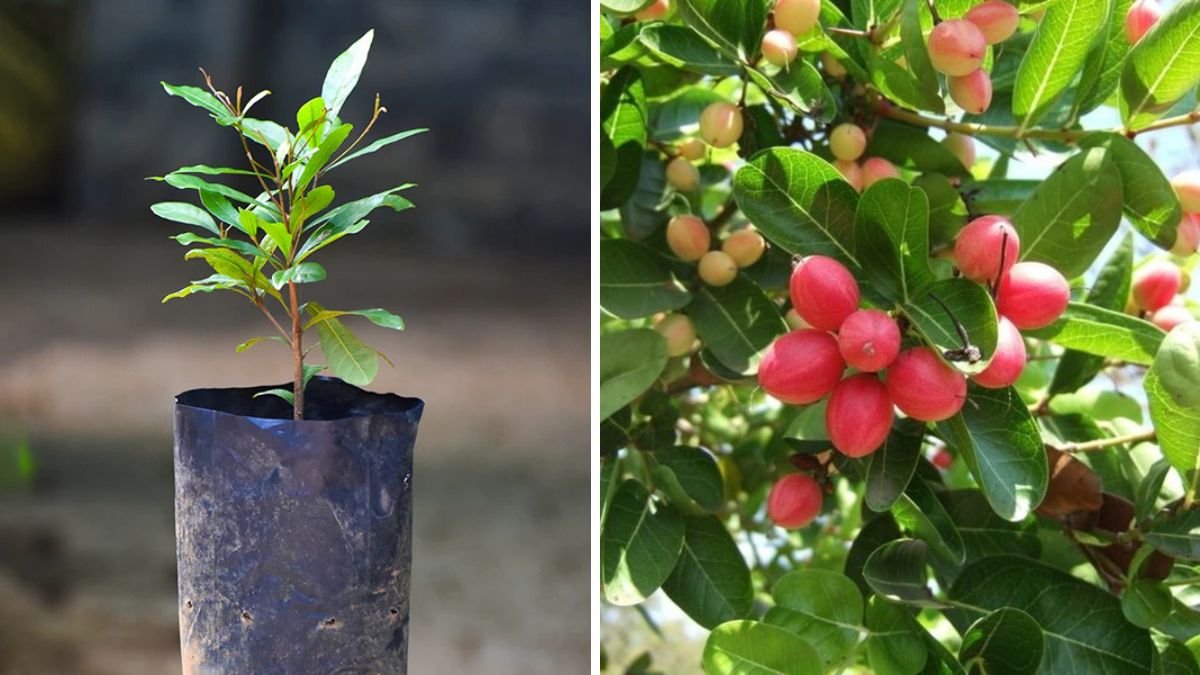
Growing miracle fruit from seed is a rewarding experience. It allows gardeners to understand the full life cycle of the plant. Seed-grown plants develop strong roots. Though growth is slow, success is possible. Miracle fruit seeds require specific care. This guide explains each stage clearly. Beginners can follow step by step. Patience is the most important factor.
Understanding Miracle Fruit Seeds
Miracle fruit seeds are small and sensitive. Fresh seeds germinate best. Dried seeds lose viability quickly. Seeds must be planted soon after extraction. They contain natural moisture. Seed quality determines success. Handle seeds gently. Understanding seed behavior prevents failure.
Collecting Fresh Seeds
Seeds should be taken from ripe red berries. Clean seeds gently with water. Remove pulp completely. Do not dry seeds fully. Fresh seeds germinate faster. Avoid damaged seeds. Immediate planting is recommended. Freshness is critical.
Preparing Soil for Seed Germination
Seeds require acidic and light soil. Use peat-based soil mix. Drainage is essential. Soil should remain moist but not wet. Sterile soil prevents fungal issues. Organic matter supports early growth. Heavy soil causes rot. Proper soil preparation improves success.
Planting Miracle Fruit Seeds
Plant seeds shallowly in soil. Cover lightly with soil mix. Do not bury deep. Water gently after planting. Avoid pressing soil tightly. Place pot in warm location. Proper planting encourages germination. Gentle care is essential.
Germination Time and Expectations
Germination may take several weeks. Slow sprouting is normal. Maintain consistent moisture. Warm temperature supports germination. Avoid disturbance during this stage. Some seeds take longer. Patience is required. Successful germination is rewarding.
Light Requirements After Germination
Seedlings prefer bright indirect light. Avoid direct harsh sunlight. Gradual light exposure strengthens leaves. Indoor growing works well initially. Too much sun burns young leaves. Balanced light promotes growth. Observe leaf color. Adjust placement accordingly.
Watering Young Seedlings
Young seedlings need gentle watering. Soil should remain slightly moist. Overwatering causes damping-off. Underwatering dries roots. Use spray or gentle pour. Drain excess water. Consistency supports root development. Balance is crucial.
Growth Progress in Early Months
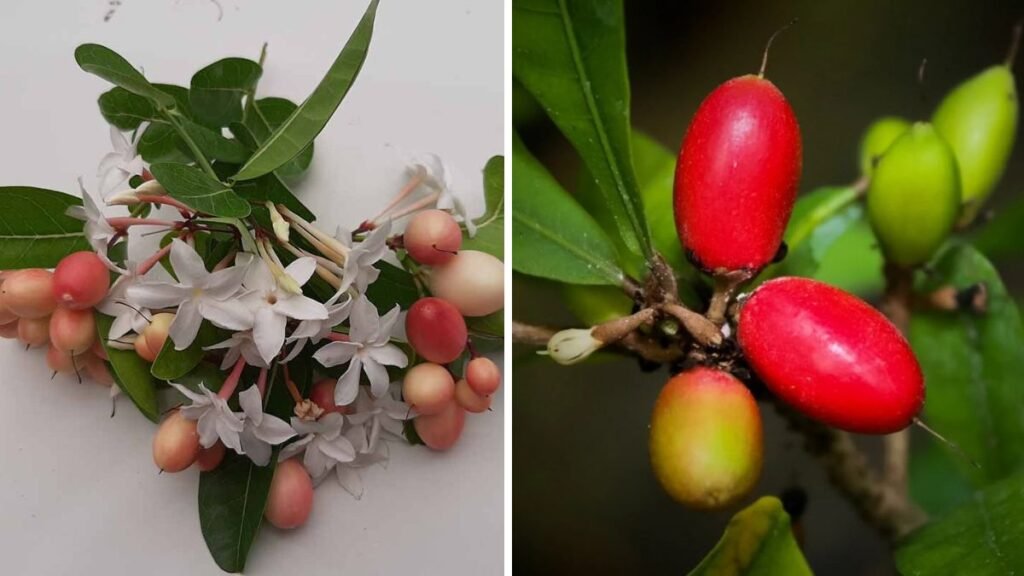
Seedlings grow slowly initially. Leaves appear gradually. Root system develops underground. Growth may seem minimal. Avoid fertilizing early. Let natural growth occur. Healthy seedlings are compact. Slow growth is normal.
Fertilizing Seed-Grown Plants
Begin light organic feeding after several months. Use diluted compost tea. Avoid chemical fertilizers. Excess nutrients damage roots. Feed sparingly. Organic nutrition supports steady growth. Balanced feeding improves health. Less is better.
Transplanting Seedlings Safely
Transplant only when roots are strong. Choose a slightly larger pot. Handle roots carefully. Use fresh acidic soil. Water after transplanting. Avoid sun exposure initially. Proper transplanting prevents shock. Growth resumes gradually.
Maintaining Soil Acidity
Miracle fruit needs acidic soil continuously. Test soil pH occasionally. Add organic matter if needed. Avoid alkaline water. Acidic conditions improve nutrient absorption. Soil maintenance is essential. Neglect affects growth. Consistency ensures health.
Flowering Timeline from Seed
Seed-grown plants take time to flower. Usually flowering occurs after a few years. Healthy growth shortens waiting time. Stress delays flowering. Proper care accelerates maturity. Patience is essential. Flowers indicate success. Long-term commitment pays off.
Fruit Development and Maturity
After flowering, berries form slowly. Fruits change color as they mature. Red color indicates ripeness. Consistent care supports fruiting. Avoid stress during fruiting. Fruit quality depends on care. Gentle handling is required. Homegrown berries are special.
Common Seed-Growing Mistakes
Using old seeds causes failure. Overwatering leads to rot. Poor soil pH affects growth. Excess sunlight burns seedlings. Impatience leads to mistakes. Awareness prevents problems. Learning improves success. Experience builds confidence.
Pest and Disease Management
Miracle fruit has few pests. Occasional insects may appear. Neem oil works effectively. Good airflow prevents diseases. Avoid chemical sprays. Healthy plants resist pests. Regular monitoring helps. Organic methods are safe.
Indoor vs Outdoor Growing
Indoor growing suits cooler regions. Outdoor growing suits tropical climates. Indoor plants need bright light. Outdoor plants need shade protection. Choose based on climate. Both methods work well. Care adjustments are necessary. Flexibility improves results.
Table: Miracle Fruit from Seed Guide
| Stage | Key Requirement |
|---|---|
| Seed selection | Fresh ripe seeds |
| Soil | Acidic and loose |
| Light | Bright indirect |
| Water | Consistent moisture |
| Fruiting | Two to three years |
Benefits of Growing from Seed
Seed-grown plants develop strong roots. Adapt well to environment. Long-term health improves. Cost is minimal. Learning experience is valuable. Gardening satisfaction increases. Natural growth is rewarding. Commitment brings success.
Long-Term Care and Expectations
Continue organic feeding. Maintain soil acidity. Repot when required. Protect from cold. Observe plant health. Long-term care ensures productivity. Patience is essential. Miracle fruit rewards dedication.
Conclusion
Growing miracle fruit berry from seed is a slow but fulfilling process. Fresh seeds, acidic soil, and patience are essential. Proper care ensures healthy plants. Fruiting takes time but is worth waiting for. Organic methods work best. Homegrown miracle berries are unique. Start growing Synsepalum dulcificum today.