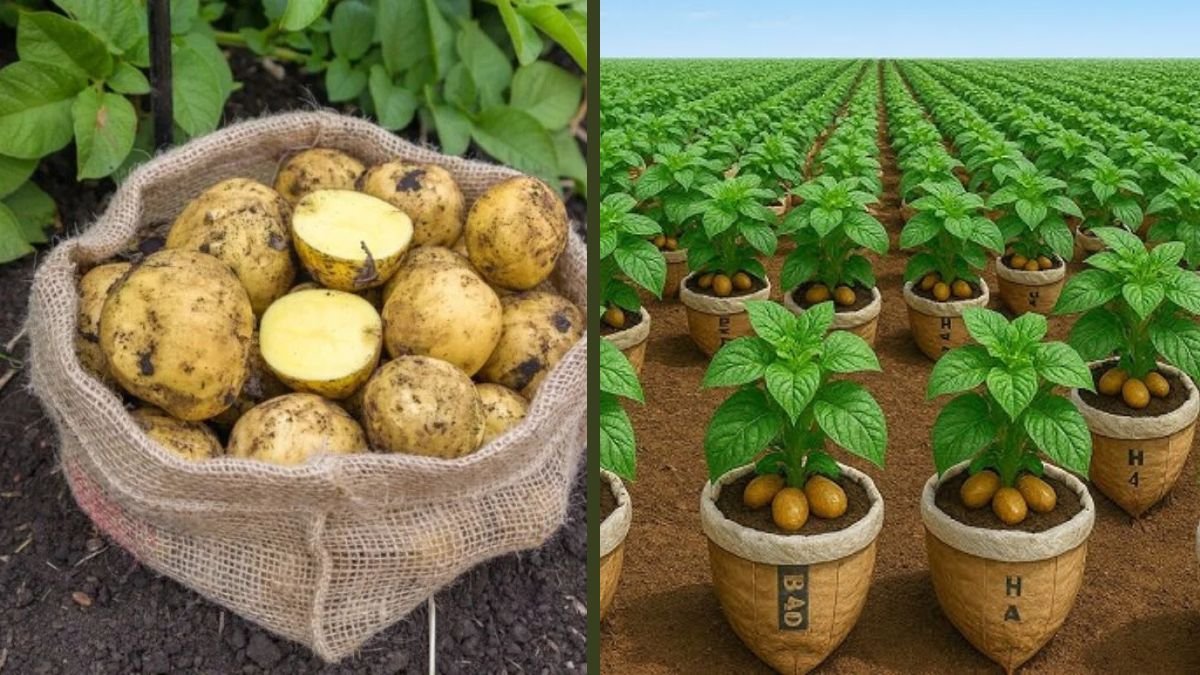
Introduction to Balcony Potato Gardening
Potatoes are one of the most loved and widely used vegetables in every kitchen. Many people believe potatoes need large farms or deep soil beds, but that is not true. Growing potatoes in bags on a balcony is simple, productive, and space-saving. This method allows roots to grow freely while controlling soil quality and moisture. Balcony potato gardening is perfect for apartments and urban homes. With proper sunlight, watering, and soil, bags can produce impressive harvests. This technique also reduces pest problems. Anyone can grow fresh, chemical-free potatoes at home.
Why Grow Potatoes in Bags
Grow bags provide excellent drainage and aeration. They prevent waterlogging, which is harmful to potatoes. Bags are lightweight and easy to move. Soil temperature remains stable inside bags. Harvesting becomes simple by opening or tipping the bag. This method reduces soil-borne diseases. Bags allow better control of nutrients. Potato bags maximize yield even in small balcony spaces.
Choosing the Right Potato Variety
Select fast-growing or early potato varieties. Seed potatoes work better than store potatoes. Disease-free seed potatoes ensure healthy growth. Varieties with compact growth suit bags best. Avoid very large or spreading types. Choose varieties adapted to your climate. Proper selection improves yield and tuber size. Good varieties ensure uniform and healthy potatoes.
Selecting and Preparing Grow Bags
Use breathable fabric grow bags or thick plastic bags. Bags should be at least twelve inches deep. Make drainage holes if using plastic bags. Clean reused bags properly. Place bags on trays to catch excess water. Strong bags support heavy soil and tubers. Proper bag selection prevents root problems. Preparation ensures healthy growth from the start.
Best Soil Mix for Potatoes
Potatoes need loose, fertile soil. Mix garden soil, compost, and cocopeat. Add sand for better drainage. Avoid compact or clay soil. Soil must be rich in organic matter. Loose soil allows tubers to expand freely. Good soil prevents misshapen potatoes. Soil quality directly affects yield and taste.
Planting Seed Potatoes Correctly
Cut seed potatoes into pieces with eyes. Let cuts dry before planting. Place seed potatoes with eyes facing up. Cover with a thin soil layer initially. Maintain moisture after planting. Proper planting depth is important. Correct spacing prevents overcrowding. Strong planting leads to better tuber development.
Sunlight Requirements
Potatoes need at least five to six hours of sunlight. Place bags in bright balcony areas. Rotate bags if sunlight is uneven. Insufficient light reduces tuber formation. Sunlight supports healthy foliage growth. Good exposure improves photosynthesis. Proper light management increases yield.
Watering Schedule for Potatoes
Water regularly but do not overwater. Soil should remain moist, not soggy. Overwatering causes rot. Morning watering is ideal. Reduce watering during heavy rains. Proper watering encourages tuber growth. Consistent moisture improves size and quality. Balanced watering is essential.
Hilling Technique in Grow Bags
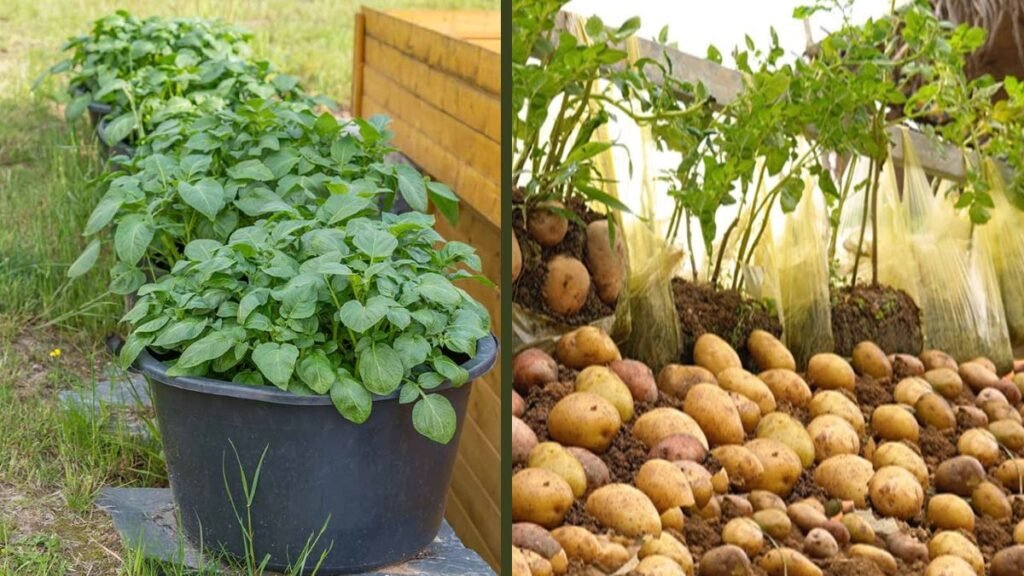
Add soil gradually as plants grow. Cover stems partially with soil. This encourages more tuber formation. Repeat hilling every two weeks. Hilling prevents green potatoes. This technique increases yield significantly. Grow bags make hilling easy. Proper hilling maximizes harvest.
Fertilizing Potatoes Naturally
Use compost and vermicompost. Avoid excess nitrogen. Potassium helps tuber development. Feed plants every two weeks. Liquid organic fertilizers work well. Balanced nutrition supports healthy growth. Proper feeding improves potato size. Overfeeding should be avoided.
Pest and Disease Control
Potatoes may attract aphids and caterpillars. Neem oil is effective. Remove affected leaves early. Good airflow prevents fungal diseases. Clean soil reduces disease risk. Container growing limits pests. Regular monitoring prevents damage. Healthy plants resist infections.
Flowering and Tuber Formation
Flowering indicates tuber development underground. Do not disturb soil during this stage. Maintain consistent watering. Avoid stress to plants. Healthy foliage supports tuber growth. Flowering stage is critical. Care during this period increases yield.
Harvesting Potatoes
Harvest when plants turn yellow. Stop watering one week before harvest. Gently empty the bag. Collect tubers carefully. Avoid damaging skins. Proper timing improves storage quality. Freshly harvested potatoes taste best.
Post-Harvest Handling
Dry potatoes in shade. Do not wash immediately. Store in a cool, dark place. Avoid sunlight exposure. Proper storage increases shelf life. Homegrown potatoes last longer. Good handling preserves quality.
Potato Growth Monitoring Table
| Factor | Ideal Practice | Benefit |
|---|---|---|
| Soil | Loose and fertile | Large tubers |
| Water | Moderate and regular | Healthy growth |
| Sunlight | 5–6 hours | Better yield |
| Hilling | Regular soil addition | More potatoes |
Common Mistakes to Avoid
Overwatering causes rot. Poor drainage reduces yield. Skipping hilling limits tubers. Excess fertilizer harms plants. Insufficient sunlight weakens growth. Avoid these mistakes. Awareness improves success. Simple care ensures abundant harvest.
Benefits of Balcony Potato Growing
Fresh and chemical-free food. Saves money. Uses small space efficiently. Easy harvesting. Beginner-friendly method. Promotes sustainable living. Improves food security. Ideal for urban homes.
Seasonal Growing Tips
Grow potatoes in cool seasons. Avoid extreme heat. Adjust watering during monsoon. Protect from heavy rain. Seasonal planning improves results. Climate awareness increases success.
Maximizing Yield in Bags
Use deep bags. Hill soil properly. Maintain nutrition. Ensure sunlight. Monitor regularly. Small balconies can produce large harvests. Proper technique multiplies yield.
Final Conclusion
Growing potatoes in bags on a balcony is easy, productive, and rewarding. With proper soil, watering, sunlight, and care, anyone can harvest fresh potatoes at home. This method saves space, reduces pests, and provides high yields. Even beginners can succeed using this simple technique.