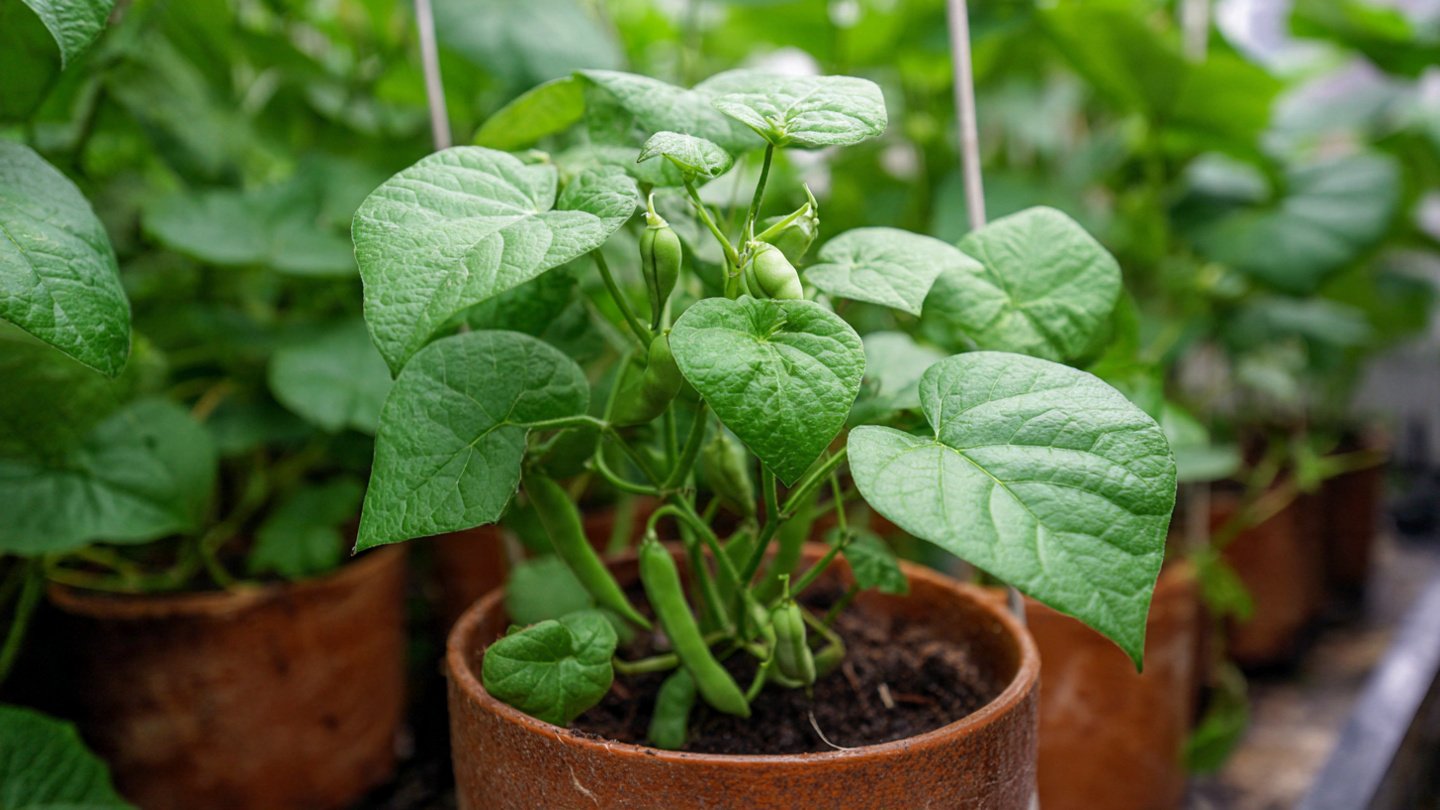
Cluster beans, also known as guar beans (Cyamopsis tetragonoloba), are versatile, nutritious, and relatively easy-to-grow legumes highly prized in many culinary traditions and agricultural systems. Growing cluster beans in pots is an excellent way to enjoy fresh, homegrown beans, even if you have limited space. Whether you have a balcony, patio, or small garden, mastering the art of container gardening for cluster beans can yield bountiful harvests. This article will guide you through essential techniques to ensure your cluster beans thrive in pots.
Understanding Cluster Beans
Before diving into the growing process, it’s valuable to understand a bit about cluster beans. They are drought-tolerant, heat-resistant legumes known for their high protein content and use as a vegetable and in flour form. Native to South Asia, these plants thrive in warm climates and can grow up to 2–3 feet tall. They produce clusters of small, slender pods that turn fibrous if allowed to mature too long, so timely harvesting is crucial.
Selecting the Right Container
The first crucial step in growing cluster beans in pots is choosing the appropriate container. Here are some guidelines:
- Size: Select pots that are at least 12 inches (30 cm) deep and wide. Cluster beans have a moderate root system, so sufficient space will encourage strong root development and plant growth.
- Material: Use containers made from materials like terracotta, plastic, or ceramic. Terracotta pots offer excellent breathability, while plastic retains moisture longer.
- Drainage: Ensure the pot has drainage holes to prevent waterlogging and root rot. Consider placing a layer of gravel at the bottom to enhance drainage if necessary.
Soil Preparation and Composition
Cluster beans prefer loose, well-draining soil rich in organic matter. Container soil tends to dry out faster, so preparing a good mix is essential:
- Soil: Use high-quality potting mix blended with compost or aged manure to provide nutrients.
- Drainage: Incorporate perlite or vermiculite to improve aeration and moisture retention balance.
- pH Level: Maintain a slightly acidic to neutral pH, around 6.0 to 7.0, which is ideal for cluster bean growth.
Planting Cluster Beans in Pots
Seed Selection and Treatment
Choose fresh, high-quality cluster bean seeds from a reputable supplier. To improve germination rates:
- Soak seeds overnight in warm water before planting. This softens the seed coat and encourages quick sprouting.
Sowing Seeds
- Fill your pot with prepared soil, leaving about an inch of space at the top.
- Plant 2-3 seeds per pot, about 1 to 1.5 inches deep.
- Cover the seeds gently with soil and water lightly to settle the soil around them.
- Keep the soil consistently moist, but not waterlogged, until seeds germinate in 7-10 days.
Optimal Growing Conditions for Cluster Beans in Pots
Sunlight
Cluster beans thrive in full sun, meaning they need at least 6-8 hours of direct sunlight daily. Position your pots in a sunny spot, such as a balcony railing, patio, or windowsill that receives ample daylight.
Temperature
These plants prefer warm temperatures between 70°F and 95°F (21°C to 35°C). Night temperatures should not drop below 55°F (13°C) for optimum growth. Avoid growing cluster beans during cold seasons or frost-prone periods.
Watering
- Consistent moisture is crucial during flowering and pod development but avoid overwatering.
- Water when the top inch of soil feels dry. Overwatering can lead to root rot, while underwatering stresses the plant and reduces yield.
- Aim for deep watering to encourage root growth, allowing water to soak evenly through the soil.
Fertilization
Cluster beans are nitrogen-fixing plants, meaning they enrich the soil by converting atmospheric nitrogen through root nodules. However, potted plants may benefit from supplemental nutrients:
- Use a balanced, water-soluble fertilizer every 3-4 weeks during the growing season.
- Avoid excessive nitrogen as it may promote leafy growth at the expense of pod production.
- Incorporate phosphorus and potassium for healthy flowering and pod formation.
Supporting Your Cluster Bean Plants
Cluster beans can grow upright and benefit from support to keep them off the soil, improve airflow, and ease harvesting:
- Use stakes or small trellises inserted into the pot to support the plants.
- Gently tie the main stem to the supports with soft garden ties or twine.
- This also prevents damage from wind or heavy rain.
Pruning and Maintenance
Regular maintenance helps keep your cluster bean plants healthy and productive:
- Remove any yellow or diseased leaves promptly to prevent spread.
- Pinch off early flowers if the plant is weak to encourage stronger root and leaf growth first.
- Once the plant matures, avoid excessive pruning as it may reduce pods.
Pest and Disease Management
Cluster beans are relatively resilient but can suffer from common pests and diseases in container conditions:
- Aphids: These can be washed off with a strong water spray or controlled using insecticidal soap.
- Powdery Mildew: Prevent by ensuring good air circulation and avoiding overhead watering.
- Root Rot: Avoid waterlogging and improve drainage with proper potting mix and watering habits.
Harvesting Cluster Beans
Knowing when and how to harvest is key to enjoying tender and delicious cluster beans:
- Harvest pods when they are young, tender, and about 3-4 inches long, typically 60-75 days after planting.
- Regular picking encourages the plant to produce more pods.
- Use scissors or garden shears to cut pods gently without damaging the plant.
Troubleshooting Common Issues in Pot Growing
- Leggy Plants: If your cluster beans grow tall with sparse foliage, they might be lacking sunlight. Move them to a sunnier spot.
- Poor Pod Development: Could be due to over-fertilization or inconsistent watering. Adjust care accordingly.
- Dry Soil: Container soil dries quickly, especially in hot weather—water more frequently but avoid soggy conditions.
Tips for Prolonged and Continuous Harvest
- Sow cluster bean seeds in multiple pots spaced one to two weeks apart to enjoy a staggered harvest throughout the growing season.
- After harvesting, remove old pods to encourage new ones.
- Keep the plants healthy and stress-free by maintaining consistent care routines.
Conclusion
Growing cluster beans in pots is a rewarding way to enjoy fresh, nutritious beans right at home. By choosing the right container, preparing fertile, well-draining soil, providing sufficient sunlight and warmth, and practicing careful watering and fertilization, you can ensure your cluster bean plants thrive. Supporting your plants properly, monitoring for pests, harvesting at the right time, and maintaining consistent care will lead to bountiful, delicious crops. Whether you are a beginner or an experienced gardener, these essential techniques will help you master cluster bean growing in pots and bring the joy of homegrown produce to your kitchen.
Happy gardening!