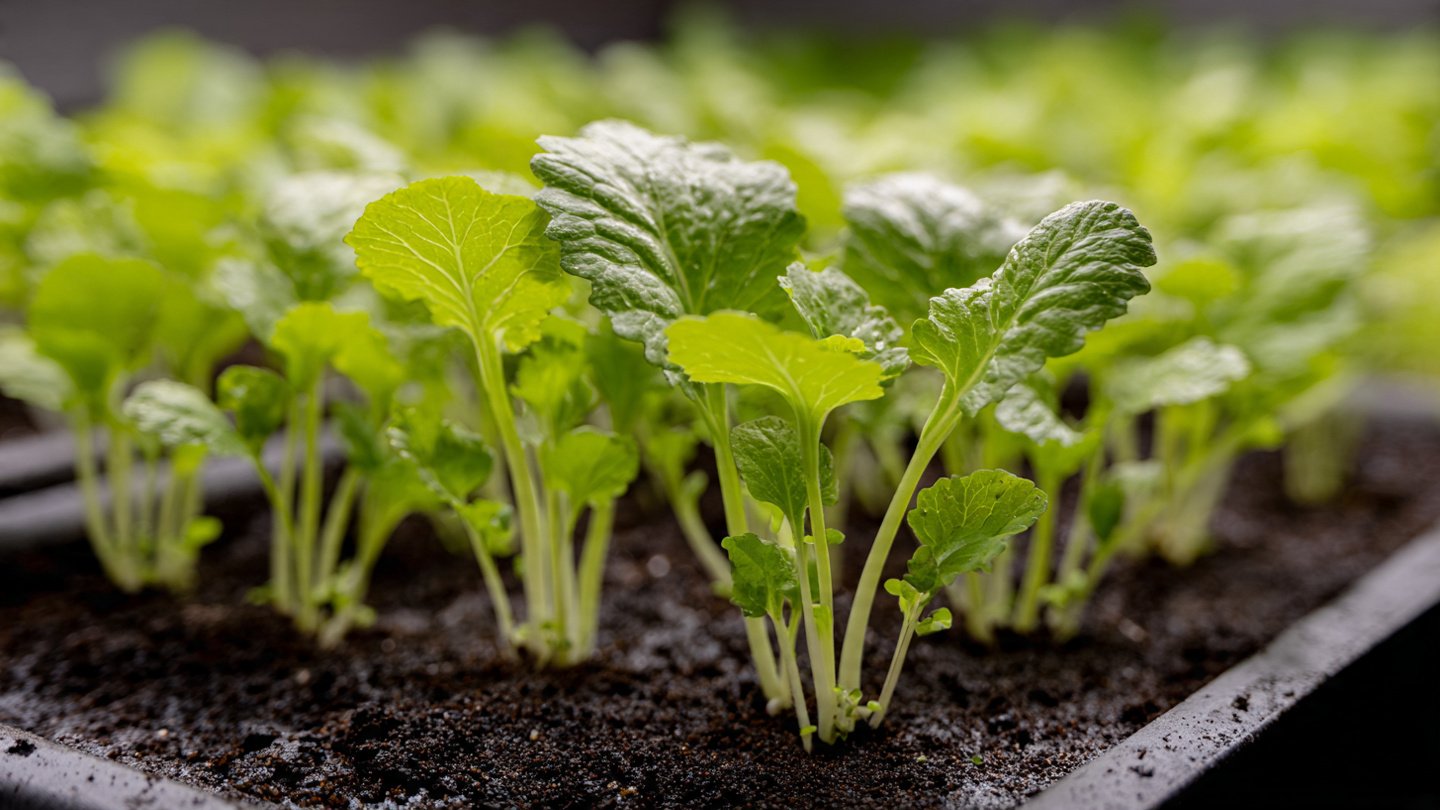
Mustard greens are a nutritious and flavorful leafy green that can be grown quickly and harvested multiple times throughout the growing season. For both novice and experienced gardeners, mastering the technique to cultivate mustard greens efficiently can result in a bountiful harvest. This article will provide a comprehensive guide on how to grow mustard greens rapidly, covering everything from soil preparation to pest management, ensuring you enjoy a steady supply of these vibrant and healthful greens.
Understanding Mustard Greens
Mustard greens (Brassica juncea) belong to the Brassicaceae family, which includes cabbage, broccoli, and kale. They are well known for their peppery taste and numerous health benefits. Rich in vitamins A, C, and K, as well as antioxidants and fiber, mustard greens are a fantastic addition to any diet.
They are considered “quick growers” because they can be ready to harvest in as little as 30 days from seed, making them ideal for gardeners who want fast results and multiple harvests.
Choosing the Right Variety
To master the quick growing technique, it is crucial to start with a variety that matures fast and suits your local climate.
- Tendergreen: A common variety known for its quick growth and mild flavor.
- Green Wave: Known for its frilly leaves and robust growth.
- Red Giant: A thicker variety with a reddish hue, it grows quickly but has a slightly stronger flavor.
- Southern Giant Curled: Ideal for warmer climates and quick harvests.
Select a variety that aligns with your taste preference and growing environment.
Soil Preparation for Quick Growth
The foundation of a bountiful mustard green harvest is nutrient-rich, well-draining soil.
- Soil Testing: Before planting, test your soil’s pH and nutrient levels. Mustard greens prefer a soil pH between 6.0 and 7.5.
- Amending Soil: Incorporate organic matter like compost or well-rotted manure to improve soil fertility and structure.
- Drainage: Ensure the soil drains well; mustard greens do not tolerate waterlogged roots.
- Soil Warmth: Warm soil between 50°F to 75°F promotes faster germination and growth.
Planting Seeds for Maximum Yield
Timing
You can plant mustard greens in early spring or late summer. They thrive in cooler temperatures but can tolerate moderate heat.
Seed Planting Techniques
- Direct Seeding: Sow seeds directly into the prepared soil about ¼ to ½ inch deep.
- Spacing: Thin seedlings to 6-12 inches apart to allow for growth.
- Successive Planting: For continuous harvest, plant seeds every two weeks.
- Raised Beds or Rows: Use raised beds or rows to improve soil warmth and drainage.
Pre-Soaking Seeds
Pre-soaking seeds overnight can speed up germination, leading to quicker growth.
Efficient Watering Practices
Mustard greens require consistent moisture but should not be waterlogged.
- Frequency: Water deeply once or twice a week, depending on weather conditions.
- Morning Watering: Water in the morning to reduce fungal diseases.
- Mulching: Apply mulch to retain soil moisture and regulate temperature.
Fertilizing for Rapid Growth
To support quick growth, mustard greens benefit from regular feeding:
- Nitrogen-Rich Fertilizers: Use balanced or nitrogen-rich organic fertilizers like fish emulsion or compost tea.
- Side-Dressing: Apply fertilizer roughly three weeks after planting.
- Micronutrients: Ensure soil has adequate calcium, potassium, and magnesium to avoid deficiencies.
Managing Pests and Diseases
Vigorous plants are less susceptible to pests and diseases, but monitoring is key.
- Common Pests: Aphids, flea beetles, and cabbage worms.
- Prevention: Use row covers to prevent insect damage.
- Natural Predators: Encourage beneficial insects like ladybugs and lacewings.
- Organic Remedies: Neem oil or insecticidal soaps can be applied safely if infestations occur.
- Disease Management: Practice crop rotation and avoid overhead watering to prevent fungal diseases like downy mildew.
Harvesting Techniques for Multiple Yields
One advantage of mustard greens is their ability to be harvested multiple times.
- Cut-and-Come-Again: Harvest outer leaves starting about 30 days after planting, which encourages continuous production.
- Full Harvest: For a single, larger yield, cut the entire plant at the base, but this limits continuous harvest.
- Harvest Timing: Early morning is best for crisp, tender leaves.
- Handling: Use sharp scissors or knives to avoid damaging the plant.
Extending the Growing Season
To maximize your harvest throughout the year, consider these methods:
- Cold Frames and Greenhouses: Grow mustard greens year-round in protected environments.
- Shade Cloths: Use these during hot months to reduce heat stress.
- Winter Sowing: In mild climates, sow seeds in late fall for winter harvests.
Storage and Preservation
Fresh mustard greens are best consumed soon after harvest but can be stored as follows:
- Refrigeration: Store unwashed greens in a plastic bag with a paper towel to absorb moisture for up to one week.
- Freezing: Blanch leaves quickly in boiling water, cool in ice water, dry thoroughly, and freeze for longer storage.
- Pickling and Fermentation: Mustard greens can also be pickled or fermented for diverse culinary uses.
Troubleshooting Common Problems
- Slow Growth: Check soil pH, nutrient levels, and water consistency.
- Bolting (Premature Flowering): Usually caused by heat stress; provide shade and plant in cooler seasons.
- Yellowing Leaves: May indicate nitrogen deficiency or overwatering.
- Wilted Plants: Could be due to root rot or inadequate water supply.
Additional Tips for Mastery
- Companion Planting: Plant mustard greens with onions, garlic, or herbs like dill to deter pests.
- Regular Monitoring: Frequent checks help catch issues before they become severe.
- Seed Saving: Allow some plants to flower and set seeds for next season’s crop.
- Record Keeping: Note planting dates, growth rates, and harvest yields to refine your technique.
Conclusion
Mastering the quick growing mustard greens technique involves a combination of proper soil preparation, timely planting, consistent watering, pest management, and smart harvesting strategies. By following these guidelines, gardeners can enjoy a continuous and bountiful harvest of nutritious mustard greens that enhance any meal. Whether you grow them in a garden bed, raised container, or greenhouse, the quick turnaround time offers a rewarding experience and a delightful addition to your homegrown produce.
Embrace these techniques, and soon you will find yourself harvesting fresh, peppery mustard greens regularly, contributing not only to your kitchen but also to a healthy lifestyle. Happy gardening!