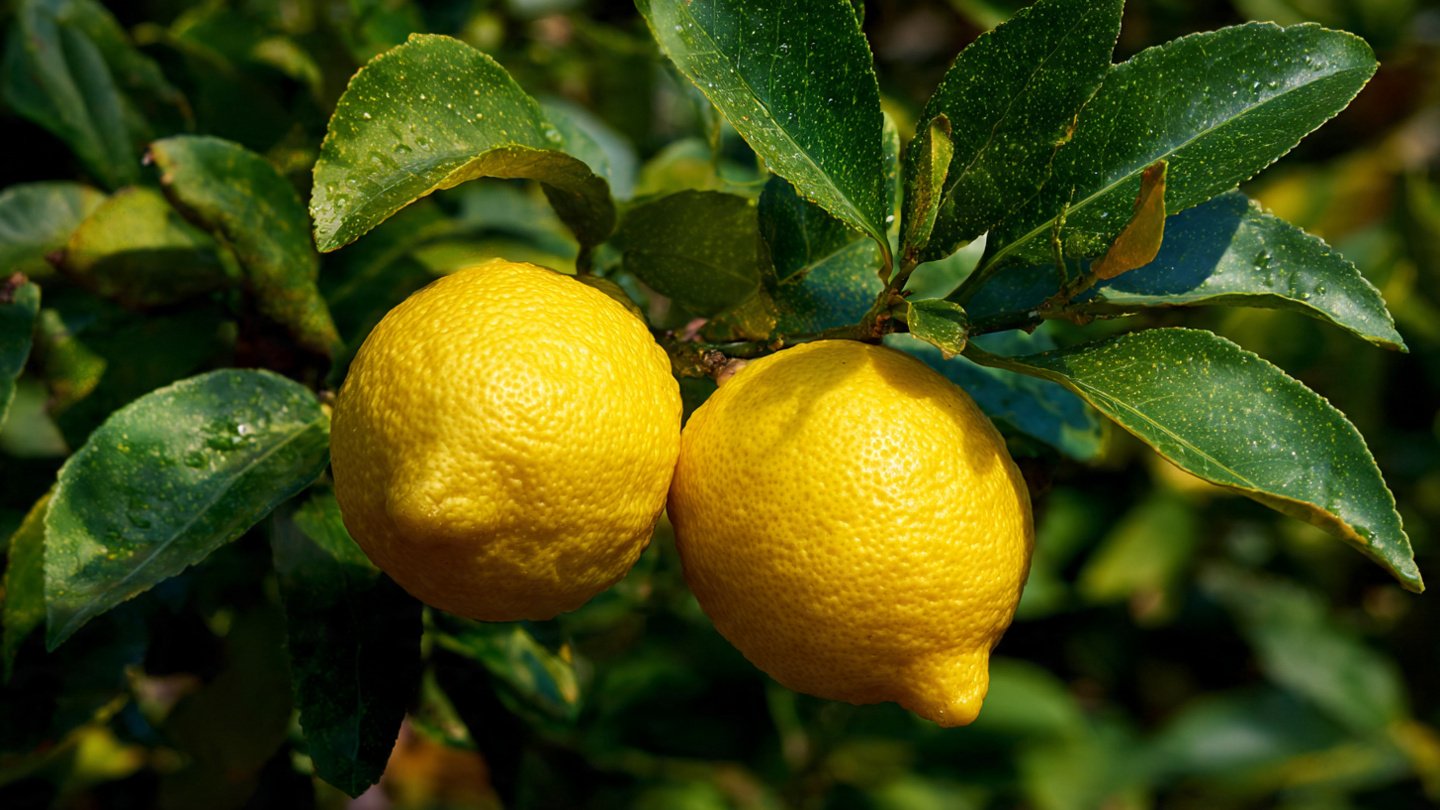
Lemon plants are cherished for their fragrant blossoms, vibrant fruits, and myriad culinary and health benefits. Cultivating these citrus beauties can be rewarding, especially when you use organic methods to enhance their growth. In this guide, we’ll explore various natural techniques to promote healthy growth in lemon plants, ensuring they thrive in your garden.
Understanding Lemon Plants
The Basics
Lemon plants, particularly the popular varieties like Eureka and Lisbon, thrive in warm, sunny environments. They prefer well-drained soil, and while they tolerate drought, they require adequate moisture for optimal fruit production. Understanding the needs of your lemon plant is key to employing effective growth-enhancing practices.
Why Go Organic?
Using organic methods not only encourages robust plant growth but also promotes a healthier environment. Organic gardening minimizes chemical residues in food, promotes biodiversity, and protects local ecosystems. By enhancing your lemon plants organically, you’re investing in sustainable practices that benefit both you and the planet.
1. Soil Preparation
Improve Soil Health
Healthy soil is foundational for robust plant growth. Here’s how to enhance soil quality organically:
- Compost: Incorporate well-rotted compost to enrich the soil with essential nutrients. Compost retains moisture and supports beneficial microorganisms.
- Mulching: Use organic materials like straw, wood chips, or leaves as mulch. This helps retain soil moisture, suppress weeds, and add organic matter as it decomposes.
- pH Levels: Lemons prefer slightly acidic to neutral pH levels (around 6.0 to 7.0). Test your soil and amend with peat moss or sulfur if necessary to achieve this balance.
2. Watering Techniques
Proper Watering Methods
Watering influences lemon plant health significantly. Here are some effective organic watering techniques:
- Drip Irrigation: This method delivers water directly to the roots, reducing evaporation. It ensures the plant receives adequate moisture consistently.
- Rainwater Harvesting: Collect rainwater for irrigation. It is often more beneficial than tap water, which may contain chemicals.
- Mulch for Retention: As mentioned, mulch helps retain soil moisture, reducing the need for frequent watering. Even a few inches of mulch can drastically improve moisture levels.
3. Nutrient Management
Organic Fertilizers
Lemon plants need a balanced supply of nutrients to grow optimally. Here’s how to nourish them organically:
- Organic Fertilizers: Use bone meal (high in phosphorus), fish emulsion (high in nitrogen), and kelp extract (rich in micronutrients). These amendments can be applied monthly during the growing season.
- Green Manures: Plant cover crops such as clover or vetch in the offseason. They enrich the soil with nitrogen and enhance its structure when tilled back in.
- Eggshells: Crush eggshells and mix them into the soil. It’s a great source of calcium, which helps prevent blossom end rot.
4. Pest Control
Natural Pest Management
Lemon plants are susceptible to pests like aphids and spider mites. Instead of chemical pesticides, consider these organic approaches:
- Neem Oil: This natural pesticide disrupts the life cycle of pests without harming beneficial insects. Spray the leaves regularly, especially underneath, where pests hide.
- Companion Planting: Plant herbs like basil or marigolds nearby. They repel pests and attract pollinators, enhancing overall plant health.
- Handpicking: For larger pests, manual removal can be effective. Inspect leaves regularly for signs of infestation.
5. Disease Prevention
Enhancing Plant Resistance
Keeping lemon plants healthy can prevent many diseases. Here’s how:
- Air Circulation: Plant your lemon trees with enough spacing to ensure good airflow. This helps prevent fungal diseases like powdery mildew.
- Pruning: Regularly remove dead or diseased branches. Pruning also helps shape the plant and encourages new growth.
- Soil Drainage: Ensure well-drained soil, as lemon plants are susceptible to root rot. Raised beds can improve drainage in heavy soils.
6. Environmental Considerations
Optimize Growing Conditions
Creating an ideal environment boosts both growth and fruit quality. Consider these factors:
- Sunlight: Lemon plants need at least 6-8 hours of sunlight daily. Choose a sunny location for planting or consider using grow lights if indoors.
- Temperature: Protect young lemon plants from frost. A temperature range of 70°F to 85°F is ideal for growth, while cooler temperatures can stunt development.
- Humidity: Lemon plants thrive in humidity levels of 40-70%. If you live in a dry area, consider misting your plants or using a pebble tray to increase ambient moisture.
7. Harvesting Techniques
Know When to Harvest
Harvesting lemons at the right time ensures the best flavor and quality. Here’s what to look for:
- Color and Size: Lemons should be bright yellow and slightly larger than a golf ball.
- Texture: A glossy, smooth skin indicates ripeness.
- Taste Test: If unsure, pick one and taste. Ripe lemons have a balance of sweetness and acidity.
Post-Harvest Care
Handle harvested lemons with care to avoid bruising. Store them in a cool place, ideally in the refrigerator, to prolong freshness.
8. Regular Maintenance and Care
Routine Practices
Routine maintenance ensures ongoing growth and fruiting:
- Monthly Inspections: Regularly check for pests, diseases, and overall plant health.
- Watering Schedule: Adjust your watering habits according to seasonal changes. Lemon plants often need more water during hot summer months.
- Fertilizer Application: Keep track of your fertilization schedule. Over-fertilizing can lead to excess foliage at the expense of fruit production.
FAQs
1. Can lemon plants grow indoors?
Yes, lemon plants can thrive indoors with adequate sunlight. Place them near a south-facing window and consider using grow lights if necessary.
2. How often should I water my lemon plants?
Water your lemon plants when the top inch of soil feels dry. Generally, this could be once a week, but adjust based on seasonal conditions and the plant’s environment.
3. What pests are common in lemon plants?
Common pests include aphids, spider mites, and scale. Monitor your plants regularly and use organic pest control methods as needed.
4. How do I know if my lemon plant is unhealthy?
Signs of an unhealthy lemon plant include yellowing leaves, stunted growth, and wilting. Regular inspections can help catch issues early.
5. What type of soil is best for lemon plants?
Lemon plants prefer well-draining, sandy loam soil with a slightly acidic to neutral pH. Amend heavy soils with organic material to improve drainage.
6. How long does it take for a lemon plant to bear fruit?
Lemon plants typically start bearing fruit between 3 to 5 years after planting, depending on the variety and growing conditions.
7. Can I grow lemon plants from seeds?
Yes, you can grow lemon plants from seeds, but it may take longer for them to bear fruit. It’s often more reliable to start with grafted nursery plants.
8. How can I protect my lemon plants from frost?
If frost is expected, cover young plants with blankets or cloths, or bring potted plants indoors. Mulching can also help protect roots from extreme cold.
Conclusion
Growing lemon plants organically allows you to enjoy a sustainable and fruitful gardening experience. By understanding their specific needs and employing natural methods for care and growth, you can cultivate healthy lemon trees that not only enhance your garden but also provide delicious fruits for your table. Happy gardening!