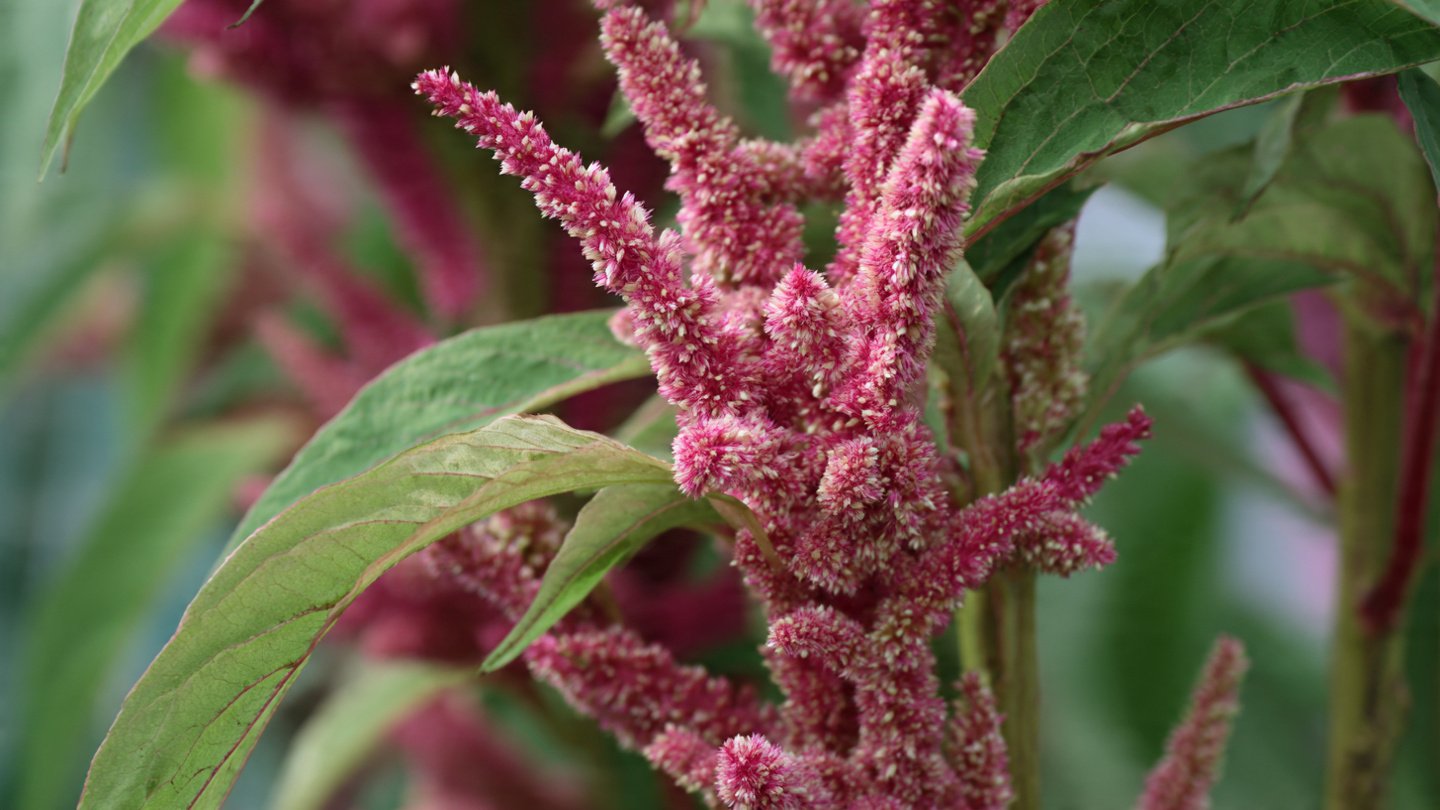
Amaranthus, commonly known as amaranth, is a versatile leafy vegetable that is widely cultivated for its nutritious leaves and seeds. The leaves are rich in vitamins, minerals, and antioxidants, making them a valuable component of a healthy diet. To maximize the yield of amaranthus leaves, it is essential to optimize the harvesting schedule. Proper timing and technique can significantly influence the quantity and quality of the harvested leaves. In this article, we will explore comprehensive strategies to optimize your amaranthus leaf harvesting schedule for maximum yield.
Understanding Amaranthus Growth Cycle
To effectively optimize your harvesting schedule, it’s crucial to understand the growth cycle of amaranthus. Amaranthus typically grows rapidly and can be harvested multiple times within a single growing season.
- Germination and Seedling Stage: Amaranthus seeds usually germinate within 3-7 days under suitable conditions. Seedlings develop rapidly after germination.
- Vegetative Stage: Leaf and stem growth accelerate. Leaves become the primary edible part during this stage. This is the most critical stage for leaf harvesting.
- Flowering Stage: Flowering generally begins about 30-45 days after germination. Leaf production slows down as the plant directs energy to seed development.
- Seed Maturation: Following flowering, seeds mature, and leaf harvesting typically ceases.
Understanding these stages allows for scheduling harvests that optimize leaf yield before the plant enters the flowering phase.
Selecting the Right Amaranthus Variety
Different amaranthus varieties have varying leaf yields, growth rates, and harvest windows. Selecting a variety known for leaf production rather than seed production is key.
- Leafy Varieties: Varieties like Amaranthus tricolor and Amaranthus dubius are prized for their leafy greens and are ideal for repeated leaf harvesting.
- Dual-purpose Varieties: Some varieties can be harvested for both leaves and seeds but may require a balanced harvesting approach.
Choosing the appropriate variety ensures that the plant’s growth characteristics align with your harvesting goals.
Planting Density and Arrangement
Optimizing planting density and arrangement can influence leaf production and ease of harvest.
- Spacing: Amaranthus plants spaced about 20-30 cm apart provide enough room for adequate leaf growth and air circulation, reducing diseases.
- Row Arrangement: Planting in rows facilitates mechanical or manual harvesting and allows easy access to plants for selective leaf picking.
Proper spacing and arrangement help in maintaining healthy plants and maximizing leaf yield per unit area.
Nutrient and Water Management
Healthy growth conditions directly impact leaf size, quality, and overall yield.
- Soil Fertility: Amaranthus prefers well-drained, fertile soils rich in organic matter. Applying compost or well-rotted manure enhances soil nutrients.
- Fertilization: Regular application of balanced fertilizers (NPK – Nitrogen, Phosphorus, Potassium) promotes vigorous leaf growth. Nitrogen is particularly important for leafy vegetables.
- Watering: Consistent moisture levels support optimal growth. Avoid water stress or waterlogging, both of which can reduce leaf yield.
Optimal nutrient and water management support robust and continuous leaf production.
Timing of First Harvest
The timing of the first harvest is critical for encouraging regrowth and maximizing yield.
- Wait Until Sufficient Leaf Development: The first harvest is usually done about 30-40 days after sowing when plants have developed 6-8 true leaves.
- Selective Harvesting: For continuous harvest, selectively pinch or cut the upper leaves and stems while leaving the growing points intact. This encourages the plant to produce new leaves.
Harvesting too early may stunt growth, while harvesting too late can reduce the quality of leaves.
Frequency of Harvest
Deciding how often to harvest depends on the growth rate and intended use of the leaves.
- Repeated Harvesting: Amaranthus can be harvested every 7-10 days once the plants have reached maturity, allowing multiple yields from a single crop.
- Monitoring Growth: Observe the growth to determine the optimal harvest intervals. Leaves that have grown to an edible size but are still tender are best for harvest.
Regular harvesting can stimulate new growth and increase overall leaf production.
Harvesting Technique
The method of harvesting influences both yield and plant health.
- Manual Harvesting: Use sharp scissors or knives to cut leaves and stems cleanly to avoid damage to the plant.
- Selective Picking: Remove only the mature outer leaves, leaving the inner ones to continue growing.
- Avoid Overharvesting: Do not remove more than one-third of the plant at a time to prevent stress and ensure regrowth.
Proper technique maintains plant vigor and extends the productive life of the crop.
Pest and Disease Management
Pests and diseases can reduce leaf yield and affect quality.
- Regular Monitoring: Inspect plants regularly for pests such as aphids, caterpillars, and leaf miners.
- Biological Control: Use natural predators or biopesticides to manage pest populations.
- Cultural Practices: Remove diseased or damaged leaves promptly and maintain good sanitation to reduce disease incidence.
Healthy plants are more productive and provide higher leaf yields.
Environmental Considerations
Environmental conditions such as temperature, light, and humidity affect amaranthus growth.
- Optimal Temperature: Amaranthus thrives at temperatures between 20-30°C (68-86°F).
- Light Requirements: Full sun is ideal for maximum leaf production.
- Humidity: Moderate humidity levels reduce the risk of fungal diseases.
Adjusting planting times to avoid extreme weather conditions can improve yield and leaf quality.
Post-Harvest Handling
Proper post-harvest handling preserves leaf quality and weight, ensuring maximum usable yield.
- Immediate Cooling: Cool leaves immediately after harvest to slow down respiration and degradation.
- Proper Storage: Store in refrigerated conditions at high humidity (90-95%) to maintain freshness.
- Minimal Handling: Reduce handling to prevent bruising or damage.
Good post-harvest practices enhance marketability and reduce losses.
Record Keeping and Data Analysis
Maintaining records of planting dates, harvest dates, yield quantities, and environmental conditions helps in refining the harvesting schedule.
- Track Yield: Measure leaf yield at each harvest to identify optimal harvesting times.
- Adjust Schedule: Use data to adjust future planting and harvesting schedules for improved performance.
Data-driven decisions lead to continuous improvement in yield optimization.
Conclusion
Optimizing your amaranthus leaf harvesting schedule involves understanding the plant’s growth cycle, selecting suitable varieties, managing planting practices, and applying proper harvesting techniques. By timing the first harvest correctly, maintaining an appropriate harvesting frequency, and ensuring good post-harvest handling, you can maximize leaf yield and quality. Additionally, integrating pest management and environmental considerations further supports healthy growth and productivity. Regular record-keeping and analysis empower you to fine-tune your schedule for sustained success. With these strategies, you can enjoy abundant and nutritious amaranthus leaves throughout the growing season.