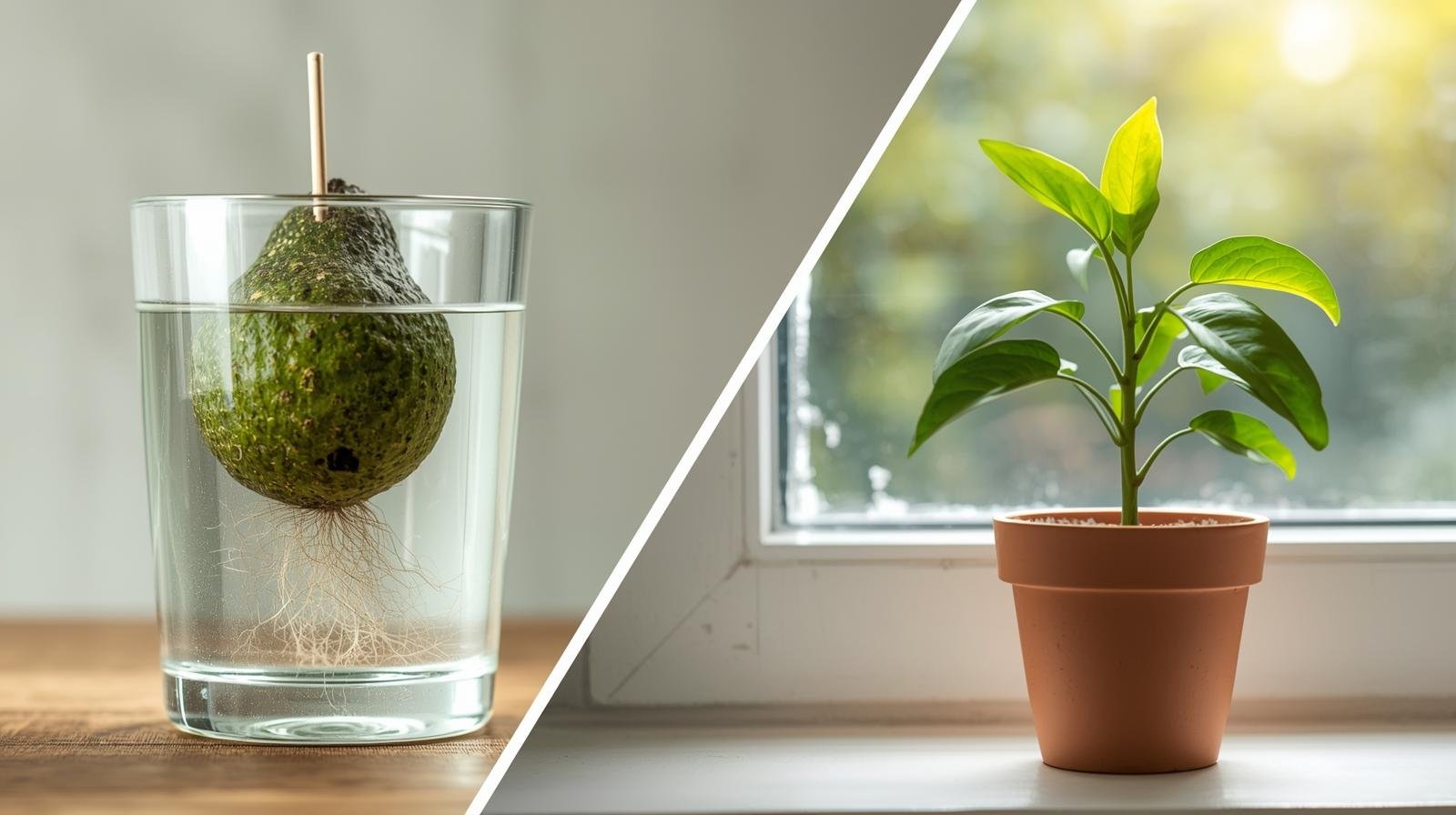
Avocados are popular for their creamy texture, rich flavor, and health benefits. Growing your own avocado tree at home is a rewarding experience that allows you to enjoy fresh fruit and add greenery to your space. Planting an avocado pit is simple and requires minimal materials. With proper care, the pit can sprout roots and eventually grow into a healthy tree. Patience and attention to environmental conditions are key. This guide provides step-by-step instructions for planting and growing an avocado pit successfully. It also covers common problems and tips to ensure strong growth.
Selecting a Healthy Avocado Pit
Choose a ripe avocado and remove the pit carefully. Avoid damaging the pit’s outer layer. Clean the pit gently with water to remove any fruit residue. Do not use soap or chemicals. Inspect the pit for cracks or signs of mold. Healthy pits have a smooth, firm surface. Larger pits tend to sprout more reliably. Selecting the best pit sets the foundation for successful growth.
Preparing the Pit for Sprouting
Remove any remaining fruit flesh around the pit. Soak it in water for a few hours. Identify the top and bottom of the pit; the slightly pointed end is the top. The flat end is the bottom, where roots will emerge. Insert toothpicks into the middle to suspend it over a glass of water. Ensure only the bottom half is submerged. Place it in a warm, well-lit area. This setup encourages root and stem development.
Using the Toothpick Method
Insert three or four toothpicks evenly around the pit. Suspend the pit so the bottom half touches water. Toothpicks prevent the pit from sinking. Maintain water level regularly. Change water every few days to prevent bacteria. Keep the setup in indirect sunlight. This method allows observation of root growth. It is the most popular approach for indoor sprouting.
Observing Root and Shoot Development
Roots usually appear within two to six weeks. A small stem emerges from the top simultaneously or shortly after. Monitor growth regularly. Avoid disturbing the pit. Ensure water is clean and level. Roots should grow thick and white. Leaves will begin to appear as the stem elongates. Healthy growth indicates a successful sprouting process.
Transitioning to Soil
Once the stem reaches six to eight inches, trim it back to encourage bushier growth. Prepare a pot with well-draining soil. A mix of potting soil, sand, and compost works best. Plant the pit so roots are covered and stem remains upright. Water gently and keep soil moist but not soggy. Place the pot in bright, indirect sunlight. Gradually acclimate the plant to its new environment. Proper soil preparation supports long-term growth.
Watering and Care Guidelines
Water regularly to keep soil slightly moist. Avoid overwatering, which causes root rot. Use a pot with drainage holes. Increase humidity around the plant if indoors. Fertilize lightly after leaves appear. Observe leaves for signs of stress. Adjust water based on environmental conditions. Consistent care is crucial for a healthy avocado seedling.
Light Requirements for Optimal Growth
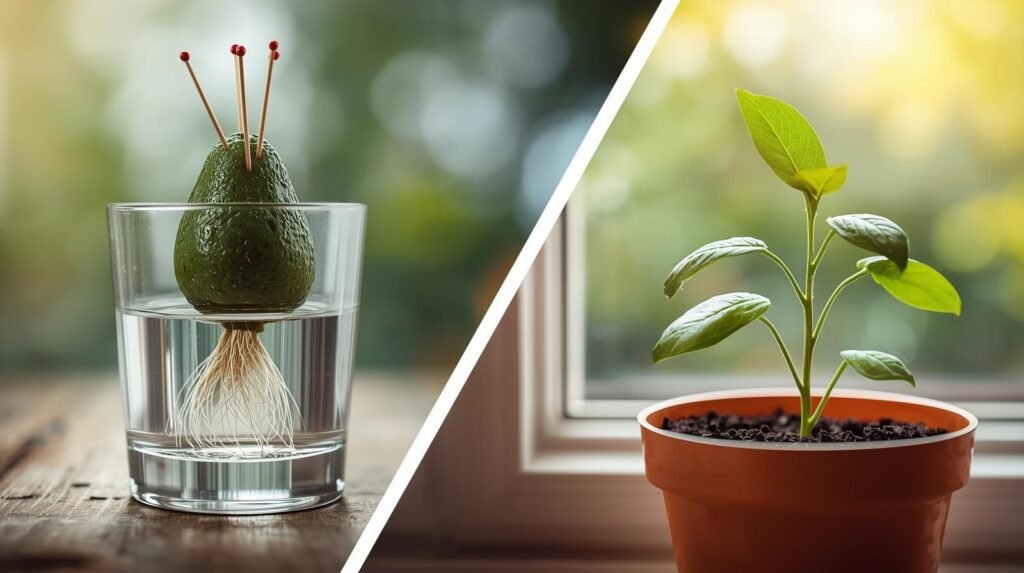
Avocado plants prefer bright, indirect sunlight. Avoid direct, harsh sunlight that may scorch leaves. Place near a window or under grow lights if indoors. Gradually increase exposure as the plant strengthens. Adequate light encourages photosynthesis and strong stem growth. Rotate the pot occasionally for even light distribution. Insufficient light may result in weak, leggy plants. Proper lighting ensures vibrant foliage.
Pruning and Training the Seedling
Prune the top to encourage branching once the plant reaches one foot in height. Pinch new growth regularly. Training helps create a bushier, fuller tree. Support stems with stakes if necessary. Remove damaged or yellowing leaves. Avoid heavy pruning early on. Pruning maintains plant shape. Healthy maintenance promotes stronger growth and eventual fruiting.
Table: Avocado Pit Growth Timeline
| Stage | Timeframe | Key Actions |
|---|---|---|
| Pit Soaking | 0-7 days | Clean and soak pit |
| Root Emergence | 2-6 weeks | Monitor root growth |
| Shoot Development | 4-8 weeks | Observe stem and leaf growth |
| Soil Planting | 6-10 weeks | Transfer to pot with soil |
| Seedling Growth | 2-6 months | Prune and water regularly |
Common Problems and Solutions
Rotting is common if water is stagnant. Change water frequently to prevent mold. Lack of growth may result from low temperatures. Ensure warmth and light. Leggy stems indicate insufficient light. Use grow lights if needed. Leaves may yellow from overwatering. Adjust care and maintain drainage. Monitoring regularly prevents setbacks. Corrective actions ensure healthy growth.
Long-Term Care Tips
Continue watering moderately. Fertilize every few months with balanced fertilizer. Repot annually as roots grow. Protect from pests such as aphids or spider mites. Maintain stable temperatures indoors. Gradually move outdoors in suitable climates. Provide support for taller seedlings. Long-term care determines survival and eventual fruiting.
Preparing for Fruit Production
Avocado trees grown from pits may take 5-13 years to bear fruit. Grafting onto mature rootstock accelerates production. Consistent light and temperature improve flowering. Patience and care are essential. Indoor trees may need pollination assistance. Fertilization during growth promotes healthy fruit development. Monitor soil nutrients. Fruit production requires persistence and attention.