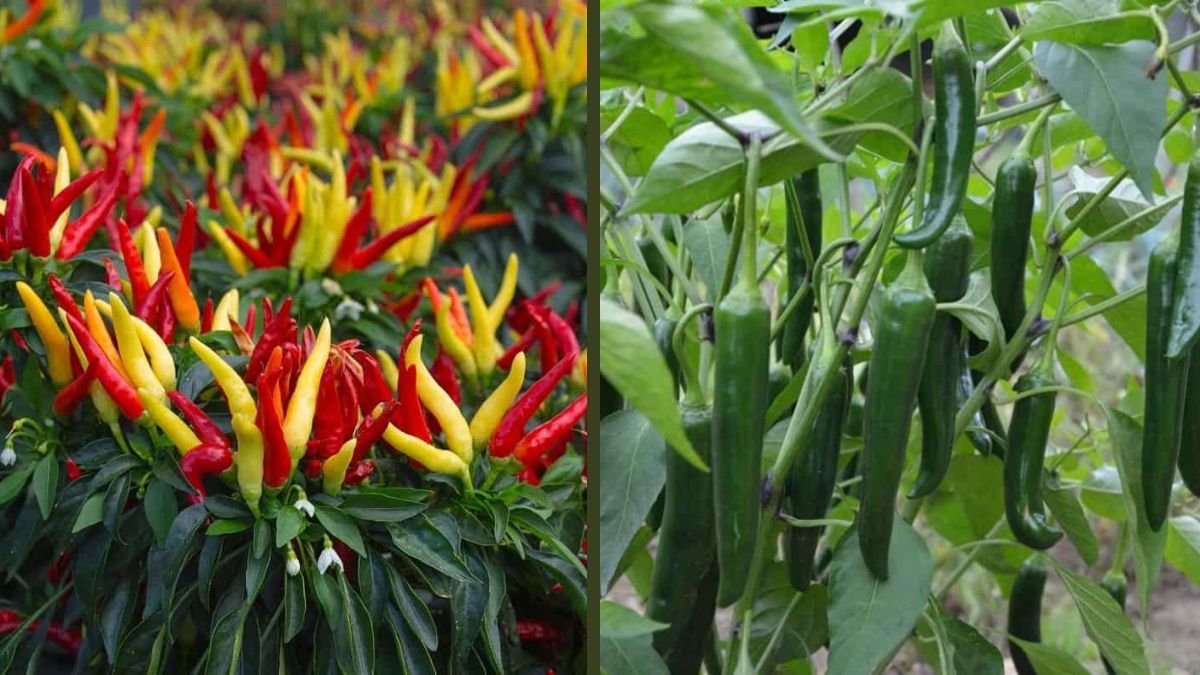
Paragraph 1: Introduction to Chili Plant Reuse
Many gardeners throw away chili plants after harvest. Surprisingly, discarded chili plants still hold great potential. With proper propagation techniques, these plants can regrow and produce heavily again. Chili plants are naturally resilient. Reusing old plants saves money and effort. It also supports sustainable gardening. Even weak-looking plants can bounce back. This article explains how amazing results are possible.
Paragraph 2: Why Discarded Chili Plants Still Work
Chili plants have strong root systems. Even after fruiting, energy remains stored. Stems can regenerate new shoots. Proper pruning activates dormant nodes. Healthy roots support fresh growth. Many gardeners underestimate this ability. With care, old plants outperform new seedlings. Reuse brings surprising productivity.
Paragraph 3: Selecting the Right Discarded Chili Plant
Choose plants without severe disease. Avoid plants with rotten roots. Green stems indicate life. Even leafless stems can recover. Check root firmness carefully. Plants grown organically recover faster. Healthy base ensures success. Selection is very important.
Paragraph 4: Preparing the Plant for Propagation
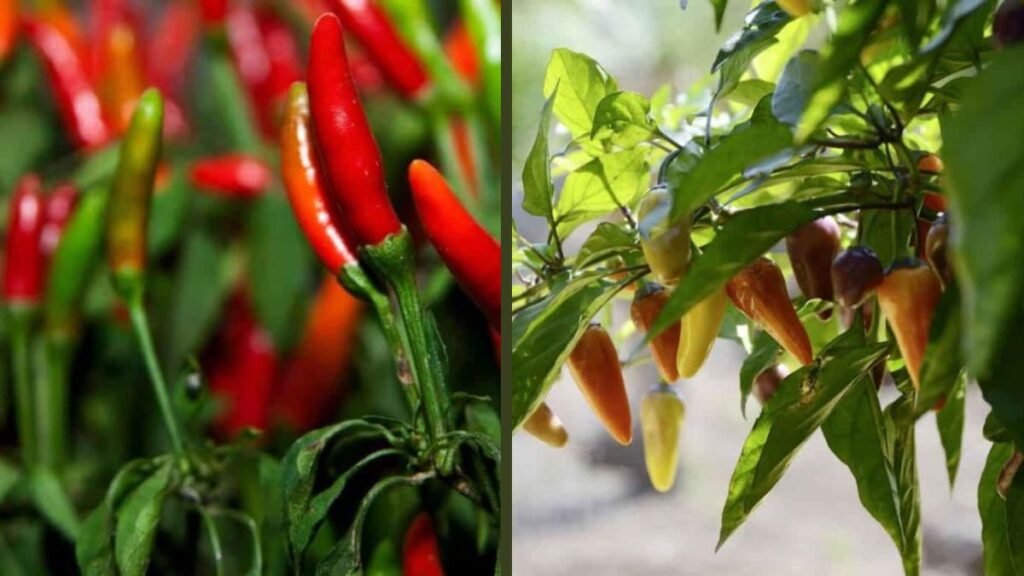
Cut the plant back aggressively. Remove old dry branches. Leave a few healthy nodes. Clean roots gently. Trim damaged root parts. This reduces stress on the plant. Pruning redirects energy to regrowth. Preparation determines revival speed.
Paragraph 5: Soil Preparation for Regrowth
Loose soil helps quick recovery. Mix compost with garden soil. Add sand for drainage. Organic matter boosts nutrients. Avoid compact soil. Good drainage prevents rot. Healthy soil revives old roots. Soil quality is crucial.
Paragraph 6: Replanting the Discarded Chili Plant
Plant the trimmed chili in fresh soil. Keep roots well spread. Do not bury stem too deep. Press soil gently around roots. Water lightly after planting. Avoid excess water initially. Stability encourages new growth. Proper planting ensures survival.
Paragraph 7: Light and Temperature Requirements
Place plant in bright sunlight. Morning sun works best initially. Avoid harsh afternoon heat. Warm temperatures speed recovery. Cold slows regeneration. Gradual exposure prevents shock. Light fuels photosynthesis. Correct placement helps revival.
Paragraph 8: Watering Strategy During Recovery
Water sparingly at first. Excess moisture causes rot. Soil should remain slightly moist. Gradually increase watering. Morning watering is ideal. Mulching helps retain moisture. Balanced watering reduces stress. Careful watering boosts success.
Paragraph 9: Fertilization for Regrowth
Avoid heavy fertilizer initially. Compost tea works best. After new leaves appear, feed lightly. Nitrogen supports leaf growth. Potassium strengthens stems. Organic feeding prevents burn. Gradual nutrition improves strength. Balanced feeding matters.
Paragraph 10: New Shoot Development
New shoots appear within weeks. Dormant nodes activate quickly. Healthy shoots indicate success. Remove weak shoots early. Focus energy on strong growth. Proper spacing improves airflow. New branches increase fruit sites. Shoot management is important.
Paragraph 11: Pruning for Bushier Growth
Pinch tips of new shoots. This encourages branching. More branches produce more flowers. Avoid over-pruning. Maintain balanced shape. Pruning improves sunlight penetration. Bushy plants yield more chilies. Controlled pruning boosts production.
Paragraph 12: Pest and Disease Monitoring
Old plants may attract pests. Inspect leaves regularly. Aphids and mites are common. Neem oil controls naturally. Remove infected parts immediately. Good airflow reduces disease. Healthy regrowth resists pests. Prevention is essential.
Paragraph 13: Flowering After Propagation
Flowers appear earlier than seedlings. Strong roots support quick flowering. Stress-free plants retain flowers. Adequate nutrition improves bloom quality. Stable conditions prevent flower drop. Flowering indicates success. Pollination leads to fruiting. Care during flowering is key.
Paragraph 14: Fruit Development and Yield
Fruits form rapidly after flowering. Old plants often yield more. Branch strength supports heavy fruits. Consistent watering improves size. Harvesting stimulates new fruits. Yield surprises many gardeners. Regrown plants outperform expectations. Productivity increases dramatically.
Paragraph 15: Harvesting Techniques
Harvest chilies regularly. Use clean scissors. Early harvesting boosts continuous fruiting. Avoid pulling fruits. Morning harvest preserves freshness. Gentle handling protects branches. Regular harvesting increases yield. Proper method matters.
Paragraph 16: Post-Harvest Maintenance
Continue watering and feeding. Remove old fruiting branches. Encourage new growth cycles. Plants can fruit multiple seasons. Support branches if needed. Post-harvest care extends life. Old plants stay productive. Maintenance is important.
Paragraph 17: Table – Chili Plant Revival Guide
Table: Propagating Chili from Discarded Plant Essentials
Aspect | Recommended Practice
Plant Selection | Healthy root and stem
Pruning | Heavy initial trimming
Soil | Loose and compost-rich
Watering | Light initially, gradual increase
Fertilizer | Organic and mild feeding
Harvesting | Frequent and gentle
Paragraph 18: Benefits of This Method
Saves money and resources. Reduces garden waste. Faster yield than seeds. Strong root system advantage. Eco-friendly practice. Ideal for home gardeners. Low effort high reward. Sustainable gardening solution.
Paragraph 19: Common Mistakes to Avoid
Overwatering causes rot. Skipping pruning slows growth. Excess fertilizer burns roots. Poor sunlight weakens plants. Ignoring pests damages recovery. Learning mistakes improves results. Observation ensures success. Patience is necessary.
Paragraph 20: Conclusion
Propagating chili from discarded plants is highly effective. Proper trimming and care revive growth. Results often exceed expectations. This method saves time and money. Even beginners can succeed. Sustainable gardening becomes rewarding. Try this technique confidently. Enjoy amazing chili harvests again.