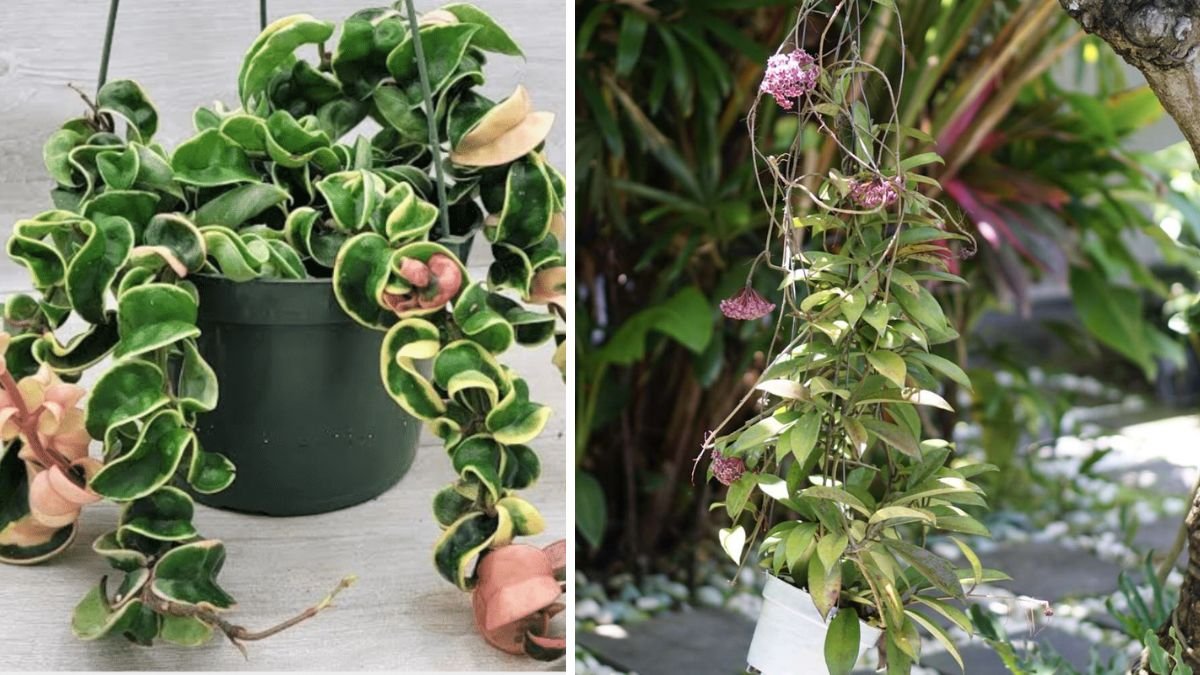
The Curly Hoya, known scientifically as Hoya compacta, is a fascinating and popular houseplant. With its unique, thick, waxy leaves and trailing vines, this plant is not only a delight to the eye but also relatively easy to care for, making it a choice for both beginners and seasoned plant enthusiasts. This guide will help you understand how to successfully grow and care for your Curly Hoya indoors, covering everything from soil and lighting conditions to watering, feeding, and pest management.
Understanding the Curly Hoya
The Curly Hoya is native to Southeast Asia and thrives in warm, humid environments. Its leaves are succulent and fleshy, giving them the ability to store moisture, which makes them drought-tolerant. One of the standout features of this unique plant is its ability to produce clusters of star-shaped flowers, which can be a beautiful bonus when the plant is healthy and happy.
Light Requirements
Curly Hoyas thrive in bright, indirect sunlight. While they can tolerate lower light conditions, you may not see the vibrant growth or the stunning blooms that they are known for. Here are some light tips:
- Location: Place your plant near a window with filtered light, such as east or west-facing windows. Avoid placing it in direct sunlight, as too much can scorch the leaves.
- Artificial Light: If natural light is limited, consider using grow lights. LED grow lights can extend sunlight hours for your plant.
Soil Preferences
The right soil mix is crucial for the health of your Curly Hoya. They prefer well-draining soil to avoid root rot.
- Soil Mix: A mixture of potting soil, perlite, and orchid bark can provide the right environment for this plant. Aim for a 50-50 combination of potting soil and perlite for adequate drainage.
- Drainage: Ensure your pot has drainage holes to allow excess water to escape.
Watering Guidelines
Watering can be a tricky aspect of plant care, but understanding the needs of your Curly Hoya can make it easier.
- Watering Frequency: Water your plant every 2-3 weeks, letting the top inch of soil dry out between waterings. During the growing season (spring and summer), you might need to water more often, while in fall and winter, reduce frequency.
- Signs of Overwatering: Yellowing leaves, wilting, or a mushy stem can indicate overwatering. If you notice these signs, allow the plant to dry out completely before watering again.
- Use Room Temperature Water: Avoid cold water; using room temperature water is less shocking to the plant.
Humidity
Curly Hoyas thrive in higher humidity levels, typically between 40-60%. Dry indoor air in winter can be harmful, so consider these steps:
- Humidity Tray: Place a humidity tray filled with water and pebbles underneath the pot to increase humidity around the plant.
- Misting: Lightly misting the leaves can also help, but do this sparingly; excess moisture on the leaves can lead to fungal issues.
Temperature
Curly Hoyas prefer a warm environment. Ideal temperatures range from 60°F to 80°F (15°C to 27°C). Here are some key points:
- Avoid Cold Drafts: Keep your plant away from drafts, air conditioning vents, and extreme temperature changes.
- Winter Care: If the temperature drops significantly, protect your Hoya from exposure to chilly conditions.
Fertilizing Your Curly Hoya
Proper nutrition is essential to promote healthy growth and blooms.
- Fertilizer Type: Use a balanced, water-soluble fertilizer with a nitrogen, phosphorus, and potassium (NPK) ratio of 20-20-20 during the growing season.
- Fertilizing Schedule: Feed your Curly Hoya every 4-6 weeks during spring and summer. Avoid fertilizing in fall and winter when the plant enters dormancy.
Repotting
Repotting your Curly Hoya is necessary every 2-3 years or when you notice roots coming out of the drainage holes.
- Timing: The best time to repot is in spring, just before the growing season begins.
- Pot Size: Choose a pot that is one size larger and ensure it has good drainage.
Pruning
Pruning helps maintain the shape of the plant and encourages bushier growth.
- When to Prune: Prune during the growing season.
- How to Prune: Remove yellow or dead leaves and cut back any long stems to promote fuller growth.
Propagation
Curly Hoyas can be easily propagated through cuttings.
- Cuttings: Take a cutting of a healthy stem with at least a couple of leaves attached.
- Rooting: Place the cutting in water or directly into moist soil. If using water, change it every few days until roots form. If planting in soil, keep the soil moist until roots establish.
Pest and Disease Management
Pests can be a nuisance; however, the Curly Hoya is generally resilient.
- Common Pests: Watch out for mealybugs, aphids, and spider mites. Treat infestations promptly with insecticidal soap or neem oil.
- Disease Prevention: Ensure good airflow around your plant and avoid overwatering to prevent root rot and fungal infections.
FAQs
1. Why is my Curly Hoya not blooming?
Lack of blooms can be due to insufficient light or inadequate nutrition. Ensure your plant receives enough bright indirect sunlight and that you are fertilizing during the growing months.
2. How can I tell if my Curly Hoya is getting too much water?
Signs include yellowing leaves, wilting, or a mushy stem. Ensure the top inch of soil dries out between waterings.
3. Can I grow Curly Hoya in low-light conditions?
While Curly Hoya can tolerate lower light, it won’t thrive or bloom as well. Aim for bright, indirect light for the best results.
4. What should I do if my plant is leggy?
If your plant is leggy, it likely needs more light. Moving it to a brighter location can encourage more compact growth.
5. Are Curly Hoyas pet-friendly?
Yes, Curly Hoyas are considered non-toxic to pets, making them a safer choice for homes with animals.
6. How long does it take for cuttings to root?
Cuttings typically take a few weeks to root, depending on conditions like light and humidity.
7. Is it normal for leaves to drop occasionally?
Yes, some leaf drop is normal, especially if the plant is adjusting to a new environment or if conditions such as watering or light change.
With the right care, your Curly Hoya can flourish, offering vibrant foliage and the potential for lovely blooms. Monitoring the specific conditions it thrives in will ensure years of enjoyment. Happy growing!