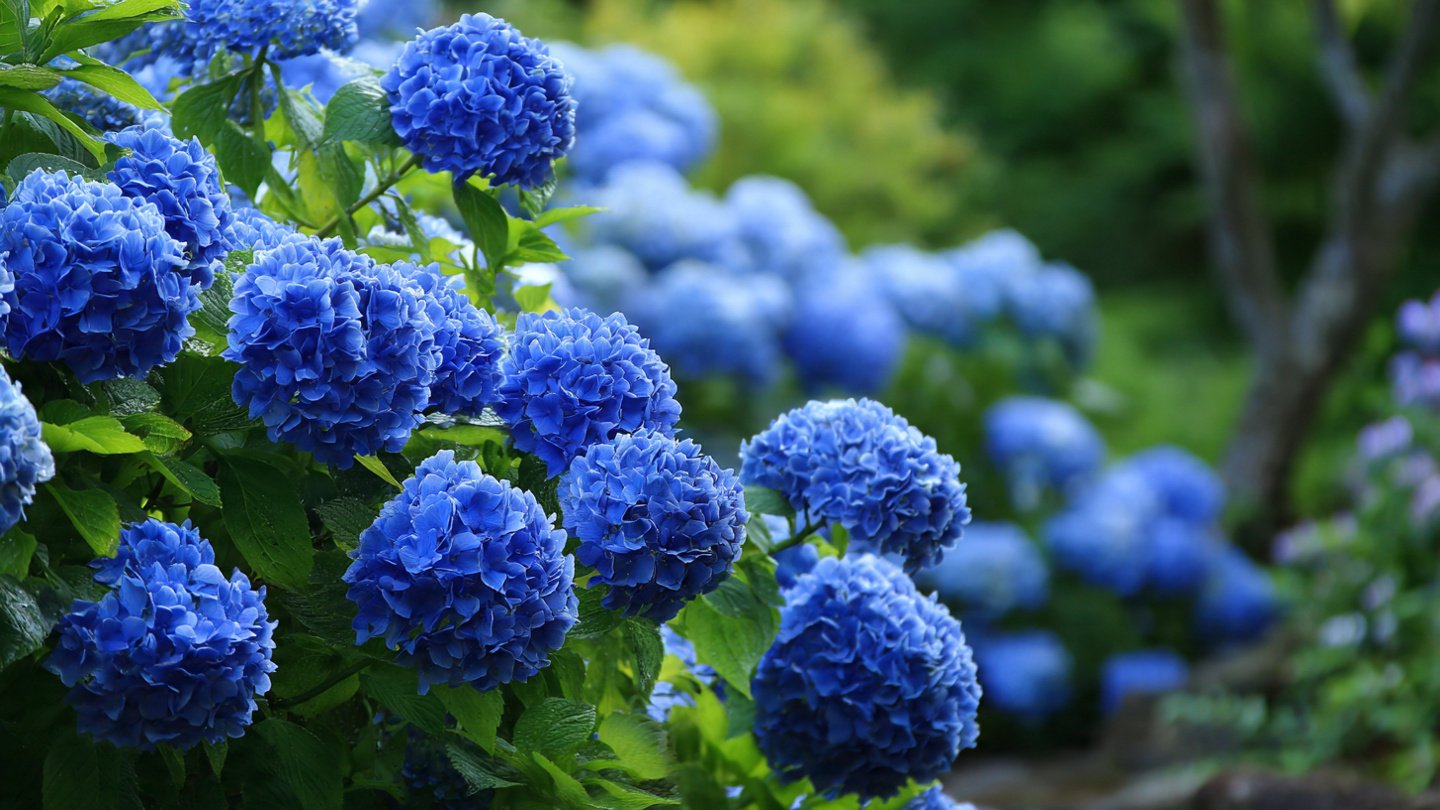
Blue hydrangeas are among the most enchanting plants that can elevate the beauty of any garden. Their vibrant blue blooms create an eye-catching display that can be the centerpiece of your landscape. However, growing blue hydrangeas requires specific conditions and proper care to thrive. This comprehensive guide will walk you through successfully growing blue hydrangea shrubs outdoors while ensuring a vibrant garden.
Understanding Blue Hydrangeas
Types of Blue Hydrangeas
The most commonly known blue hydrangea is the Hydrangea macrophylla, also known as the bigleaf hydrangea. Within this species, you can find two primary flower types:
- Mophead Hydrangeas: Known for their spherical flower heads, these are often more showy and easier to maintain.
- Lacecap Hydrangeas: These have flat flower heads with a center of small blossoms surrounded by larger ones.
Color Factors
The striking blue hue of these hydrangeas is not just a result of genetics; it is influenced by the pH level of the soil. Acidic soils (pH below 6) can produce bluer blooms, while alkaline soils (pH above 7) can turn them pink. Thus, soil management is crucial for achieving the desired blue shade.
Planting Blue Hydrangeas
Choosing the Right Location
-
Sunlight: Blue hydrangeas prefer dappled sunlight or partial shade. Too much direct sun can scorch the leaves, while too little sun can diminish blooming.
-
Soil Condition: Ensure the location has well-draining, nutrient-rich soil. It should be moist but not waterlogged.
-
Space: Allow for enough space for the shrubs to grow. Large varieties can reach 6 feet wide, while smaller types may only require 2-3 feet.
Soil Preparation
-
Soil Testing: Begin by testing your soil’s pH and nutrient levels. Kits are available at garden centers or through local extension services.
-
Amendments: If the soil is too alkaline, add sulfur or peat moss to acidify it. Incorporate organic matter like compost to enrich the soil and improve drainage.
Planting Your Hydrangeas
-
Timing: The ideal time to plant hydrangeas is in early spring or fall when temperatures are milder.
-
Planting Steps:
- Dig a hole that is twice as wide and equal in depth to the root ball.
- Place the hydrangea in the center, ensuring the top of the root ball is level with the ground.
- Backfill with soil, water thoroughly, and apply a layer of mulch to retain moisture.
Care and Maintenance
Watering
Hydrangeas require consistent moisture. During dry spells, they may need to be watered deeply at least once a week. Mulching around the base can help retain soil moisture.
Fertilizing
Fertilize your blue hydrangeas in early spring with a balanced, slow-release fertilizer. Organic options like fish emulsion or compost tea are excellent choices.
Pruning
Pruning is essential for the health and aesthetic of the plant.
-
Time to Prune: The best time to prune bigleaf hydrangeas is right after they bloom. This allows you to shape the plant without compromising the following year’s blossoms.
-
Pruning Tips:
- Remove dead, damaged, or weak stems.
- Cut back any overgrown branches to maintain an attractive shape.
Soil Management
Monitor the soil pH regularly, especially if you’re adjusting it to promote blue blooms. Aim for a pH between 5.0 and 5.5. You can add aluminum sulfate to the soil to enhance blue coloration.
Dealing with Pests and Diseases
Being vigilant about pests and diseases is vital for healthy hydrangeas.
Common Pests
-
Aphids: These tiny insects can cause leaf curl and discoloration. Spray with insecticidal soap to mitigate their presence.
-
Spider Mites: If you notice fine webbing, these pests may be the cause. Increasing humidity around the plants can help deter them.
Diseases
-
Powdery Mildew: This fungal infection appears as a white powdery substance on leaves. Ensure proper spacing for air circulation and water at the base of the plants.
-
Root Rot: Overwatering can lead to root rot. Ensure the soil drains well and avoid letting the plants sit in waterlogged conditions.
Creating a Vibrant Garden with Blue Hydrangeas
Companion Planting
Pairing blue hydrangeas with complementary plants can create stunning visual interest in your garden. Consider the following options:
- Roses: Their delicate blooms can beautifully contrast the bold hydrangeas.
- Astilbes: Their feathery flowers can add height and texture, thriving in similar conditions.
- Hostas: The large foliage of hostas provides an interesting backdrop to hydrangeas.
Seasonal Interest
To keep your garden looking vibrant year-round, consider incorporating additional plants that bloom at different times or provide different foliage colors.
- Spring: Plant bulbs like daffodils or tulips for early blooms.
- Summer: Use annuals like petunias or marigolds to fill in gaps.
- Autumn: Opt for ornamental grasses or fall-blooming asters for seasonal change.
Design Tips
- Groupings: Plant hydrangeas in clusters for maximum visual impact.
- Layering: Use varying heights in your garden design, placing taller shrubs or perennials at the back and shorter ones in the front.
- Paths: Create pathways using gravel or stepping stones, allowing easy access for garden maintenance and walking through your vibrant space.
FAQs
What soil type is best for blue hydrangeas?
Blue hydrangeas thrive in well-draining, loamy soil that is slightly acidic (pH 5.0 to 5.5).
How can I ensure my hydrangeas bloom blue?
To encourage blue blooms, keep the soil acidic by adding amendments like sulfur or aluminum sulfate.
When is the best time to prune blue hydrangeas?
Prune blue hydrangeas right after they finish blooming in late summer or early fall to shape the plant for next year’s blooms.
How much sun do blue hydrangeas need?
Blue hydrangeas prefer partial shade. Morning sun with afternoon shade is ideal to prevent leaf scorch.
Can I grow blue hydrangeas in containers?
Yes, blue hydrangeas can be grown in containers, but ensure they are adequately watered and have good drainage.
Why are my blue hydrangeas turning pink?
If your blue hydrangeas are turning pink, it may be due to alkaline soil. Testing and adjusting the soil pH can help restore the blue color.
How often should I water my blue hydrangeas?
Water your blue hydrangeas deeply at least once a week, especially during dry spells.
Can I grow blue hydrangeas in areas with cold winters?
Yes, many blue hydrangea varieties are hardy in USDA zones 5-9. Just ensure they are protected from harsh winds and extreme cold.
Do blue hydrangeas attract pollinators?
Yes, the flowers of blue hydrangeas are appealing to bees and butterflies, making them an excellent choice for a pollinator-friendly garden.
By following these guidelines, you can successfully grow blue hydrangea shrubs and create a vibrant, attractive garden that blooms beautifully year after year. Enjoy the beauty they bring to your outdoor space!