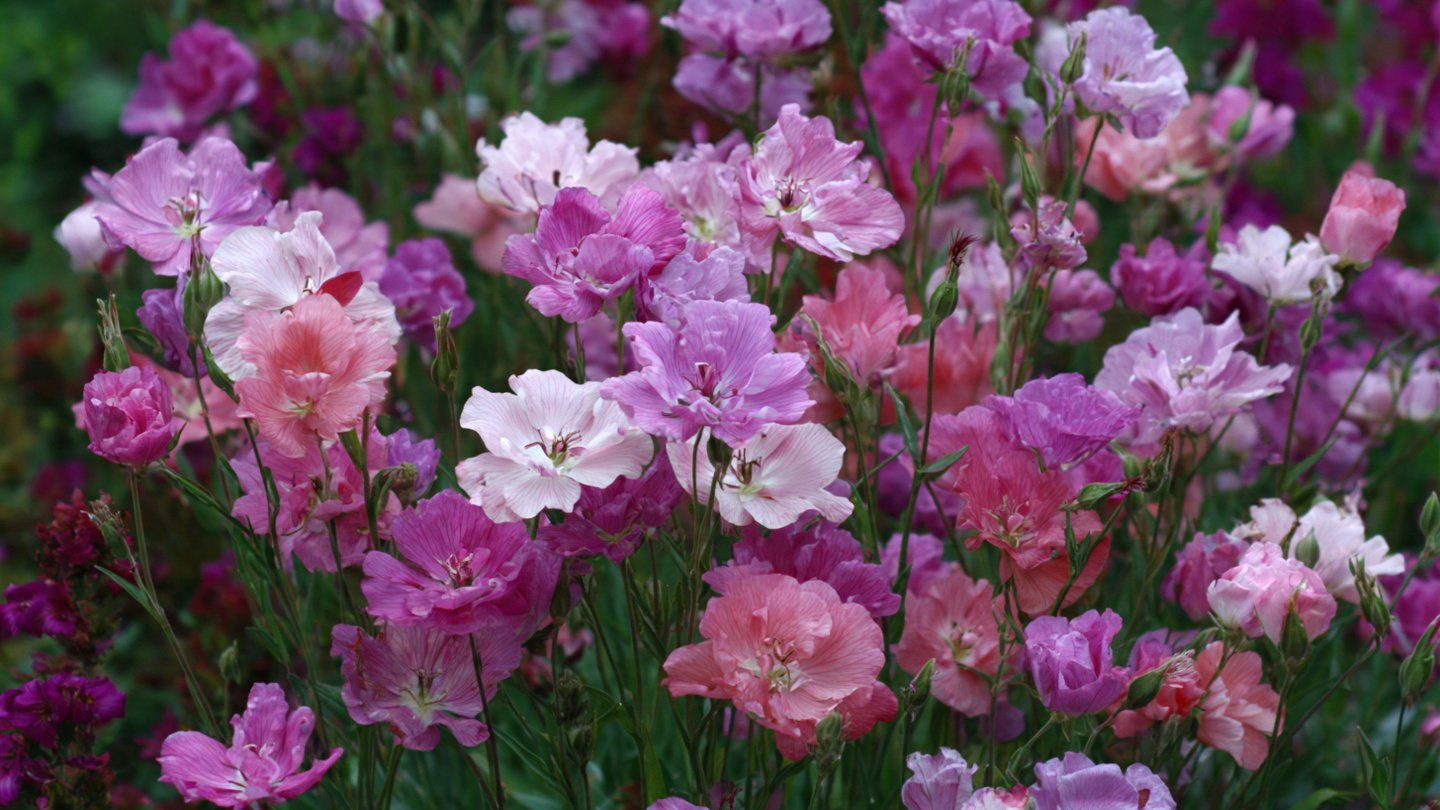
Growing flowers in your garden can be a deeply rewarding experience, especially when it comes to varieties like Clarkia, commonly known as Godetia. Known for their vibrant colors and delicate blooms, Clarkia pastel shades can add a unique charm to your garden. In this article, we’ll explore everything you need to know about successfully growing these beautiful flowers to achieve a vibrant and colorful garden.
Understanding Clarkia
Clarkia is a genus of flowering plants in the family Onagraceae. These annual flowers are native to North America and are particularly beloved for their soft pastel shades, which range from pale pinks to lavender and white. The flowers typically bloom in late spring to early summer, making them a perfect option to fill your garden with color.
Key Varieties
- Clarkia amoena: Known for its showy blooms, this variety commonly exhibits pink, mauve, and white flowers.
- Clarkia unguiculata: This variety features deeper hues, including striking reds and purples, and can also offer some pastel variations.
- Clarkia elegans: With a more delicate structure, this type can produce lovely pastel shades that range from pale pink to cream.
Choosing the Right Conditions
Soil Requirements
For healthy growth, ensuring the right soil conditions is crucial. Clarkia thrives in well-drained, fertile soil. Here’s how to prepare it:
- pH Level: Clarkia prefers a slightly acidic to neutral pH between 6.0 and 7.0.
- Soil Quality: Incorporate organic matter such as compost to enhance soil fertility and drainage.
- Drainage: Avoid soggy soil by amending heavy clay soil with sand or perlite to improve drainage.
Light Exposure
Clarkia plants love the sun, so choose a location that receives at least 6 to 8 hours of full sunlight each day. Too little light can lead to weak, leggy growth and fewer blooms.
Temperature and Climate
While Clarkia can tolerate a range of temperatures, they generally prefer cooler climates. They thrive in USDA hardiness zones 3-10. Protect them from extreme heat and cold; mild, sunny weather is ideal.
Planting Clarkia
Seed Selection
Choose high-quality seeds from a reputable supplier. When selecting seeds, look for those labeled “pastel shades” to ensure you get the softer colors desired.
Seed Sowing
-
Timing: Plant Clarkia seeds in the spring, ideally two weeks before the last expected frost. Since they are annuals, they’ll complete their growth cycle in one season.
-
Direct Sowing vs. Transplanting: Clarkia grows well when sown directly into the garden beds. If you are in a colder area, start seeds indoors about 6-8 weeks before the last frost date and transplant them outdoors when the temperature is consistently above 50°F (10°C).
Ideal Spacing
To ensure enough airflow and light penetration, plant Clarkia seeds about 10-12 inches apart. If you’re sowing them in rows, maintain a distance of about 12-18 inches between the rows.
Caring for Your Clarkia
Watering
Proper watering is essential for healthy growth:
- Initial Watering: Water the seeds thoroughly after sowing. Ensure that the soil stays moist but not saturated.
- Ongoing Care: Once established, Clarkia requires moderate watering. They prefer slightly dry conditions over overly wet soil. Water early in the morning or late in the afternoon to reduce evaporation.
Fertilization
Clarkia doesn’t require heavy fertilization, but a balanced, slow-release fertilizer can help promote growth.
- Timing: Fertilize when the plants are about 4-6 inches tall and again when flowering begins.
- Type: Use a 5-10-10 or similar formulation, as too much nitrogen can promote lush foliage at the expense of blooms.
Pest and Disease Management
While Clarkia is generally resistant to many pests and diseases, occasional issues can arise:
-
Common Pests: Aphids, spider mites, and thrips can occasionally attack Clarkia plants. Hand-picking or using insecticidal soap can help manage these pests.
-
Diseases: Fungal diseases like powdery mildew and root rot can occur in humid conditions. Ensure proper spacing and adequate air circulation to prevent these problems.
Harvesting and Enjoying
Cutting for Bouquets
Clarkia blooms are excellent for cutting and can last up to two weeks in a vase. Here are some tips:
- Timing: Cut when the flowers are just beginning to open for the longest vase life.
- Method: Use sharp shears and cut the stems at an angle to allow for better water absorption.
Deadheading
To encourage prolonged blooming, remove spent flowers (deadheading). This practice redirects energy from seed production back into creating new blooms.
Landscaping with Clarkia
Incorporating Clarkia into your landscape design can enhance the vibrancy of any garden. Here are some ways to effectively integrate these beautiful flowers:
Companion Planting
Clarkia pairs well with other flowers and plants that share similar light and soil requirements. Consider planting them alongside:
- Snapdragons
- Cosmos
- California Poppies
Garden Borders and Beds
Use Clarkia as border plants along pathways or as fillers in garden beds. Their vibrant blooms will add a pop of color and draw the eye.
Container Gardening
If space is limited, consider growing Clarkia in pots or hanging baskets. Ensure adequate drainage and use a quality potting mix to provide the necessary nutrients.
Encouraging Wildlife
Clarkia flowers attract various pollinators, such as bees and butterflies, which can help enhance your garden’s overall ecosystem. By planting diverse species, you can create a haven for these important creatures.
Conclusion
Growing Clarkia pastel shades in your garden is a rewarding endeavor that requires careful planning and maintenance. By understanding their ideal growing conditions, soil requirements, and care tips, you can create a stunning display of these beautiful flowers. Not only will they add color and vibrancy to your garden, but they will also attract pollinators, enhancing the overall health of your ecosystem. With patience and dedication, you’ll be rewarded each season with vibrant blooms that bring joy to all who visit your garden.