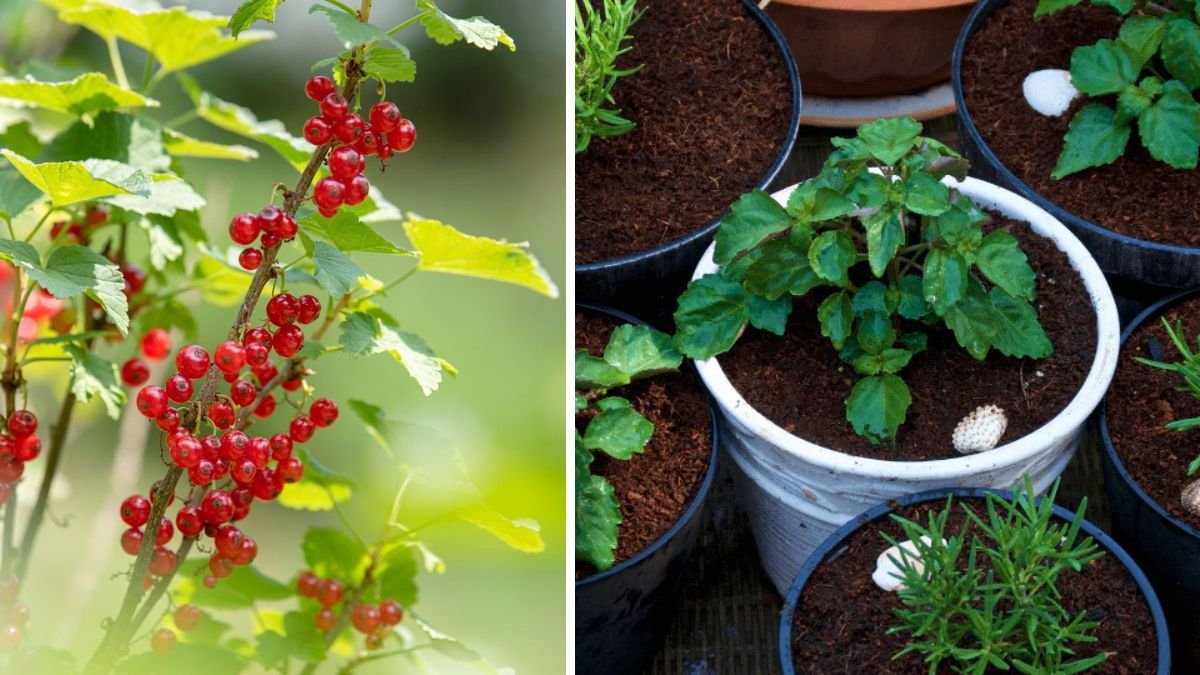
Growing compact currant plants is an excellent way for gardening enthusiasts, even in limited spaces, to enjoy delicious and vibrant fruits. Currants, known for their tangy and sweet flavor, thrive in small gardens, patios, and even balconies, offering an attractive and fruitful addition to your home. This guide will dive deep into how to successfully cultivate these lovely plants in small areas and containers, ensuring maximum yield.
Understanding Currant Plants
Currants belong to the Ribes genus and are generally divided into three main types: red, black, and white currants. These deciduous shrubs can be grown as hardy perennial plants, making them a perfect choice for gardeners of all skill levels.
Varieties of Compact Currants
- Red Currants: Bright red and tart, these berries are great for jellies and desserts.
- Black Currants: Dark, rich in flavor, and high in Vitamin C, they’re often used in beverages and syrups.
- White Currants: These are similar to red currants but milder and sweeter, perfect for fresh eating.
When choosing a variety, look for compact cultivars that are specifically bred for containers and small spaces, such as “Jelly Bean” or “Rovada” for red currants.
Choosing the Right Containers
Container choice is critical for successfully growing compact currants. Here are some important factors to consider:
Size
A minimum 3-gallon container is recommended for currant plants. Larger containers can hold more soil, providing a stable environment for root growth and moisture retention. A container that holds 5 to 10 gallons is optimal for the best yield.
Material
Terracotta, ceramic, or plastic pots are excellent choices. Terracotta pots promote air circulation, while plastic pots retain moisture better. Ensure that your container has proper drainage holes to prevent root rot.
Mobility
Consider lightweight containers if you plan to move your plants for optimal sunlight exposure. Planting on wheels can also help shift them as needed.
Soil and Fertilization
Soil Type
Currants prefer well-draining, nutrient-rich soil. A good mixture includes:
- 1 part peat moss or coconut coir
- 1 part compost
- 1 part perlite or vermiculite
This mixture promotes drainage while ensuring the roots have access to essential nutrients.
Fertilization
Use a balanced, slow-release fertilizer during the growing season. A 10-10-10 NPK (Nitrogen-Phosphorus-Potassium) blend is ideal. Alternatively, an organic option, such as fish emulsion or seaweed extract, can also be beneficial.
pH Level
Currants thrive in slightly acidic to neutral soil (pH 6.0 to 7.0). Test your soil and amend with sulfur or lime if needed to achieve the ideal pH level.
Sunlight Requirements
Currants prefer full sun to partial shade. Ideally, they should receive at least 6 hours of sunlight per day. In particularly hot climates, they may benefit from some afternoon shade to prevent sunburn.
Watering
Proper watering is crucial for the health of compact currant plants:
Frequency
Water the plants regularly, especially during dry spells. Soil should be kept consistently moist, but not soggy. Use the finger test: if the top inch of soil feels dry, it’s time to water.
Method
Water deeply at the base of the plant rather than overhead to prevent leaf diseases. Consider adding a layer of mulch to retain moisture and suppress weed growth.
Pruning for Maximum Yield
Regular pruning encourages healthy growth and increases yield. Follow these steps for effective pruning:
When to Prune
The best time to prune currant plants is in late winter or early spring while they are still dormant.
How to Prune
- Remove Dead or Diseased Wood: Cut branches that are damaged or diseased.
- Thin the Canopy: Reduce overcrowding by cutting back weaker branches.
- Shorten Strong Growth: Cut back a third of the previous year’s growth to promote bushier plants.
Pest and Disease Management
Compact currant plants can be susceptible to various pests and diseases. Here’s how to manage them effectively:
Common Pests
- Aphids: These small insects can be controlled with insecticidal soap.
- Spider Mites: Spotted leaves might indicate their presence. Increase humidity around plants to deter them.
Common Diseases
- Powdery Mildew: Ensure proper air circulation and avoid overhead watering.
- Leaf Spot: Remove affected leaves and ensure proper spacing between plants to improve airflow.
Organic Options
Incorporate organic pest control methods, like introducing beneficial insects, or using neem oil as a fungicide for mildew and other fungal issues.
Harvesting Your Currants
Timing
Currants typically mature in mid to late summer, depending on the variety. The berries should be firm and brightly colored, indicating they are ready for harvest.
Method
When harvesting, gently pull or twist clusters to avoid damaging the plant. Using scissors can help avoid braking branches.
Storage
Store freshly harvested currants in the refrigerator. They can last up to a week. For longer preservation, consider freezing or making jams and jellies.
Additional Tips for Growing Compact Currants
- Companion Planting: Plant companions like herbs (basil, mint) that can deter pests and enhance soil health.
- Rotation: Practice crop rotation annually to prevent soil-borne diseases.
- Seasonal Care: Monitor weather changes closely and adjust care for extreme temperatures.
Conclusion
With the right knowledge and techniques, growing compact currant plants in small spaces can be a rewarding endeavor. By choosing the right containers, utilizing proper soil, ensuring adequate watering, and managing pests and diseases, you can enjoy a bountiful harvest of delicious currants. Whether used in jams, pies, or enjoyed fresh, these berries are sure to enhance your culinary adventures.
FAQs
1. Can I grow currants indoors?
Yes, currants can be grown indoors in containers, provided they receive sufficient sunlight. A sunny window or grow lights can be beneficial.
2. Are currants self-pollinating?
Most currants are self-pollinating, but planting multiple varieties can improve yields.
3. How often should I fertilize my currants?
Fertilize your currants once in early spring and again halfway through the growing season for optimum growth.
4. Are currant plants frost-tolerant?
Yes, currant plants are generally frost-tolerant, but young plants may need protection during severe frost conditions.
5. Can I prune currants in the fall?
Pruning is best done in late winter or early spring. However, you can remove any dead or diseased wood during the fall.
Growing compact currant plants offers an excellent opportunity to enjoy fresh fruit without requiring extensive gardening space. With a bit of planning and care, you can create a productive and beautiful gardening space that yields delicious rewards. Happy gardening!