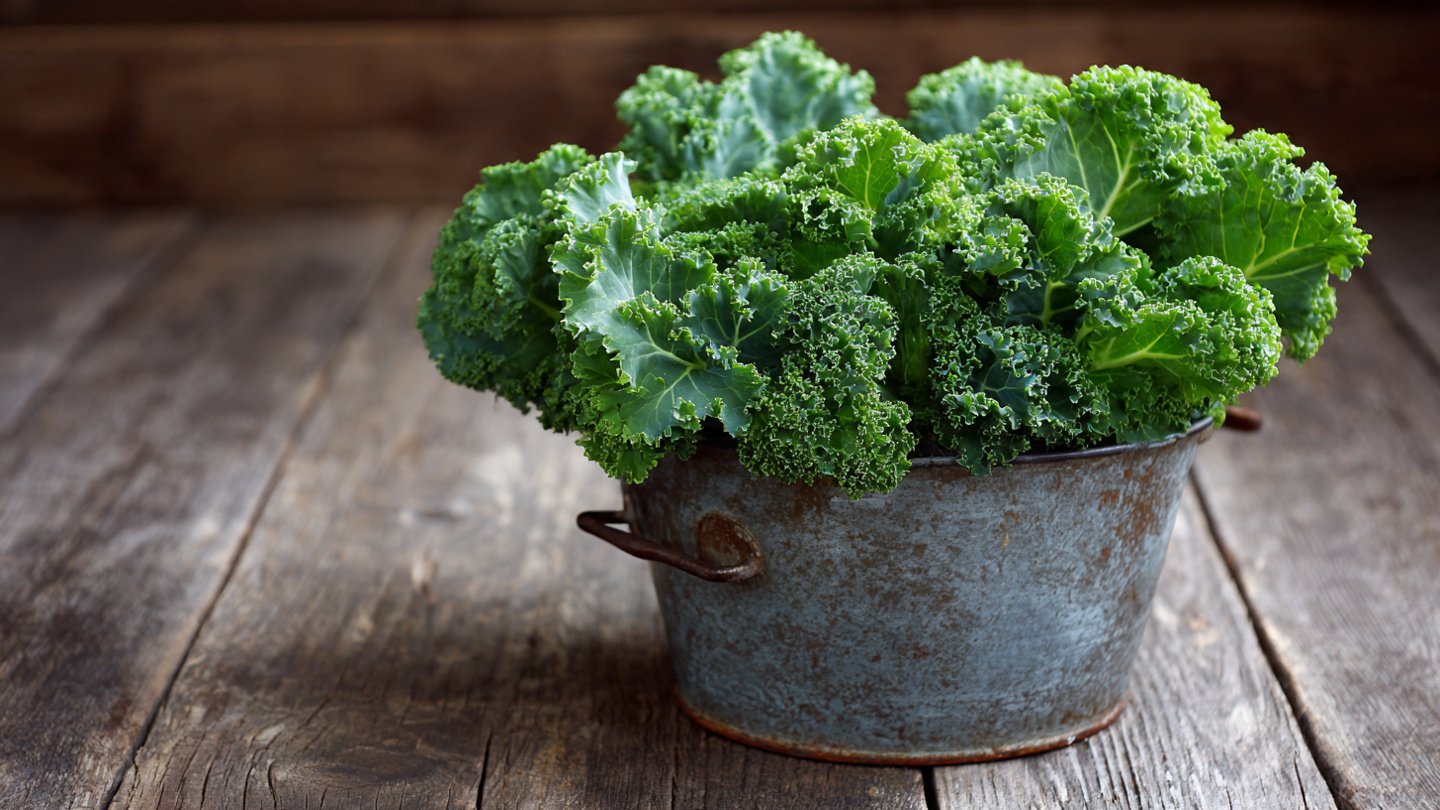
Kale has become a staple in health-conscious kitchens across the globe. Known for its nutritional density and versatility, kale is an excellent addition to smoothies, salads, and other meals. Growing your own kale not only allows you to enjoy the freshest greens possible but also provides a satisfying gardening experience. Here’s a comprehensive guide to successfully grow kale for your nutrient-packed smoothies at home.
Understanding Kale: Varieties and Nutritional Benefits
Types of Kale
Kale comes in several varieties, each with its unique flavor and texture:
- Curly Kale: This is the most common type, recognized by its frilly leaves. It has a slightly bitter flavor and holds up well in cooking.
- Lacinato Kale (Dinosaur Kale): Characterized by its dark blue-green, flat leaves, this variety has a sweeter, more delicate flavor.
- Red Russian Kale: With its soft, tender leaves and reddish-purple stems, this variety has a mild, sweet taste. It is particularly great in salads.
Nutritional Benefits
Kale is packed with vitamins A, C, and K, as well as Calcium, Iron, and Antioxidants. Including kale in your diet can support overall health by:
- Boosting immunity
- Promoting heart health
- Supporting digestive health
These benefits make kale a perfect ingredient for smoothies, amplifying their nutritional value significantly.
Preparing to Grow Kale
Choosing the Right Location
Kale thrives in full sun but can also tolerate partial shade. When selecting a location, consider the following:
- Sunlight: Aim for at least 6 hours of direct sunlight per day.
- Space: Kale plants need ample space for airflow; ensure they are planted at least 12-18 inches apart.
Soil Preparation
Kale prefers well-drained, loamy soil enriched with organic matter. Follow these steps for optimal soil preparation:
- Test Your Soil: A pH of 6.0-7.5 is ideal. Adjust using lime or sulfur as necessary.
- Add Organic Matter: Incorporate compost or well-rotted manure to enhance nutrient availability. Aim for a 3-inch layer mixed into the top 12 inches of soil.
Planting Kale
When to Plant
Kale is a cool-season crop and can be planted in the spring or fall:
- Spring: Sow seeds outdoors 2-4 weeks before the last frost.
- Fall: Start seeds indoors 6-8 weeks before your first expected frost.
Planting Seeds
Follow these steps to plant kale seeds:
- Direct Sowing: Plant seeds about ½ inch deep and 1-2 inches apart in rows spaced 18 inches apart.
- Transplanting Seedlings: If starting indoors, transplant seedlings when they reach 2-3 inches tall with at least two true leaves.
Watering
Kale requires consistent moisture, especially in the early growing stages. Water deeply once or twice a week, ensuring the top inch of soil remains moist but not soggy.
Caring for Your Kale
Fertilizing
While kale grows well in nutrient-rich soil, it may benefit from additional fertilization:
- Organic Fertilizer: Apply a balanced organic fertilizer every four to six weeks. Look for options with a nitrogen-rich formula to promote leafy growth.
- Side-Dressing: Sprinkle compost or well-balanced fertilizer around the plants during the growing season to provide extra nutrients.
Pest and Disease Management
Kale can be susceptible to pests and diseases like aphids, cabbage worms, and downy mildew. Implement these preventive measures:
- Companion Planting: Planting herbs like dill or basil nearby can deter pests.
- Neem Oil: If pests are present, spray neem oil or insecticidal soap onto affected areas.
- Crop Rotation: Change your planting location each season to prevent soil-borne diseases.
Harvesting Kale
Knowing When to Harvest
Kale leaves can be harvested young for a tender flavor or older for more robust taste. Follow these guidelines:
- Young Leaves: Pick when leaves are 4-6 inches long. They are best for smoothies and salads at this stage.
- Mature Leaves: For fully grown plants, harvest the outer leaves, leaving the inner ones to continue growing.
How to Harvest
Use a clean pair of scissors or shears to cut leaves. Harvesting in the morning is ideal as the leaves are crisp and full of moisture.
Post-Harvest Care
After harvesting, rinse the leaves under cool water and dry gently. Store kale in a sealed bag in the refrigerator, where it can last up to a week.
Incorporating Kale into Delicious Smoothies
Kale smoothies can be as simple or complex as you desire. Here are a few tips:
- Balancing Flavors: Combine kale with sweet fruits (like bananas or apples) to balance the bitterness.
- Adding a Creamy Texture: Use yogurt or avocado for creaminess.
- Enhancing Nutrition: Incorporate seeds (like chia or flaxseed) or nut butter for added protein.
Tasty Kale Smoothie Recipes
- Green Monster Smoothie
- 1 cup kale (stems removed)
- 1 banana
- 1 cup almond milk
- 1 tbsp almond butter
- Berry Kale Blender
- 1 cup kale (stems removed)
- 1 cup mixed berries (strawberries, blueberries)
- 1/2 cup Greek yogurt
- 1 cup coconut water
- Tropical Kale Delight
- 1 cup kale (stems removed)
- 1 cup pineapple
- 1 ripe mango
- 1 cup coconut milk
FAQs
How long does it take to grow kale?
Typically, kale takes 55-75 days to mature. If you’re planting from seeds, expect a slightly longer growth time.
Can kale be grown indoors?
Yes! Kale can be successfully grown in pots indoors as long as they receive sufficient light. A sunny windowsill or a grow light can work well.
What is the best time to plant kale?
For spring planting, sow seeds 2-4 weeks before the last frost date. For fall harvesting, plant 6-8 weeks before the first expected frost.
How can I store fresh kale?
Fresh kale can be stored in the refrigerator in a sealed bag for up to a week. Wash it just before use to prevent moisture buildup, which can lead to spoilage.
Is there a specific variety of kale that’s best for smoothies?
While all varieties of kale can be used for smoothies, Lacinato kale is often preferred for its tender leaves and sweeter flavor.
How often should I water my kale?
Kale should be watered deeply once or twice a week, ensuring the top inch of soil remains consistently moist.
Can I grow kale from kitchen scraps?
While it’s possible to regrow kale from scraps, it is more reliable to start with seeds or seedlings for a continued supply.
Conclusion
Growing kale at home is a rewarding endeavor that not only contributes to a healthier diet but also connects you to the seasonal rhythms of nature. With the right location, soil preparation, care, and harvesting techniques, you can enjoy a bountiful yield of delectable kale for your smoothies. So grab your gardening tools, sow those seeds, and savor the vibrant flavors of homegrown kale!