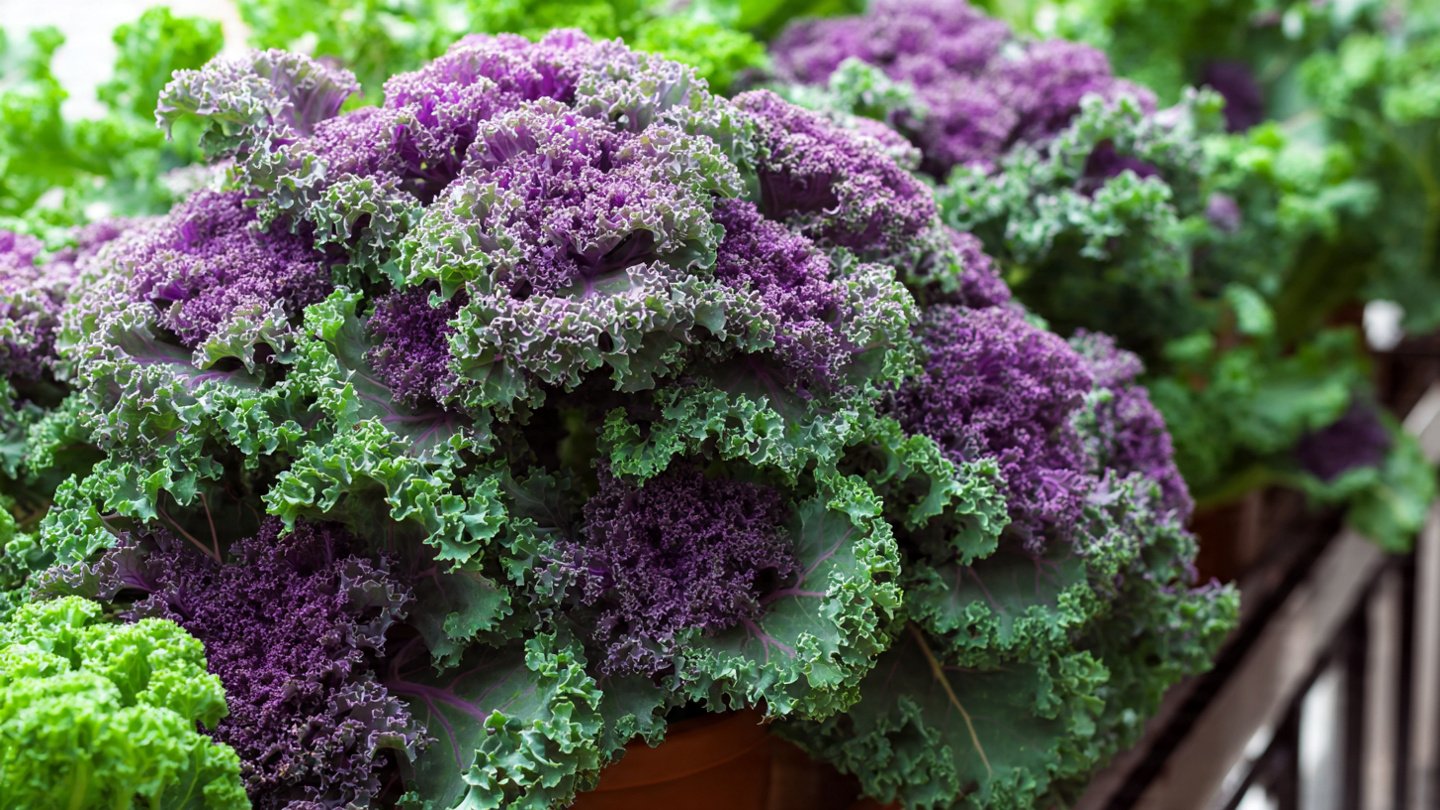
Kale has undoubtedly gained superfood status, thanks to its nutrient-dense profile, including high levels of vitamins K, A, and C, along with calcium and iron. For urban gardeners, those living in small spaces or with limited outdoor areas, growing kale in pots on a balcony can be an excellent way to enjoy fresh greens year-round. This guide will provide you with everything you need to know to grow kale successfully in small pots on your balcony, including tips on planting, care, and harvesting.
Choosing the Right Kale Variety
Before you get started, it’s essential to choose the right type of kale. There are several varieties you may consider:
- Curly Kale: This is the most common type found in grocery stores. It’s known for its frilly leaves and robust flavor.
- Lacinato Kale (Dinosaur Kale): This variety has long, dark green leaves. It has a slightly sweeter taste and is popular in Italian cuisine.
- Red Russian Kale: This type features tender, flat leaves with a reddish-purple hue, adding color to your balcony garden.
For container gardening, curly or Lacinato kale is often preferred due to their adaptability.
Selecting the Right Pots
When growing kale in pots, consider the following factors:
- Size: Choose pots that are at least 12 to 14 inches deep. This will allow ample room for the kale’s roots to spread out.
- Material: Terracotta, ceramic, and plastic pots are all suitable choices. Ensure they have drainage holes to prevent waterlogging.
- Mobility: If your balcony gets a lot of sunlight in the summer, you may want to invest in pots that are lightweight and easy to move.
Soil and Potting Mix
The right soil is crucial for the successful growth of kale. A nutrient-rich potting mix designed for vegetables is ideal. Here are some tips on preparing the perfect potting mix:
- Base Mix: Use a high-quality organic potting soil as the base.
- Additives: Incorporate compost or well-rotted manure to enrich the soil. This will not only provide essential nutrients but also improve its structure and drainage.
- pH Level: Kale prefers slightly acidic to neutral pH levels (between 6.0 and 7.0). You can test your soil’s pH using a simple home test kit.
Planting Kale Seeds or Seedlings
You can start growing kale either from seeds or seedlings. Here’s a step-by-step guide for both methods:
Starting from Seeds
- Timing: Kale seeds can be sown indoors 4-6 weeks before the last frost date or directly outdoors in early spring and late summer for a fall crop.
- Sowing: Plant seeds about ½ inch deep and 2 to 4 inches apart in the prepared potting mix.
- Thinning: Once the seedlings are a few inches tall, thin them out to ensure that each plant has enough space to grow comfortably (about 12 to 18 inches apart).
Starting from Seedlings
- Purchasing: You can find kale seedlings at local nurseries or farmer’s markets.
- Transplanting: Gently remove the seedlings from their original container, taking care not to damage the roots. Plant them in pots at the same depth they were growing in their nursery pots.
Providing Adequate Sunlight
Kale generally thrives in full sun, which means it requires at least 6 hours of direct sunlight per day. However, it can also benefit from partial shade, especially during the hottest months of summer. To optimize sunlight exposure:
- Placement: Position your pots where they’ll receive the most sunlight.
- Rotation: Occasionally rotate your pots to ensure even sun exposure on all sides of the plants.
Watering Kale
Kale needs consistent moisture to thrive, but be cautious of over-watering. Here are some best practices:
- Frequency: Water your kale regularly, especially during dry spells. The soil should remain damp but not soggy.
- Signs of Over-Watering: Yellowing leaves can indicate too much water. If you notice this, reduce your watering frequency and check your pot’s drainage.
- Signs of Under-Watering: Wilting leaves are a clear signal that your kale needs more moisture.
Fertilizing Kale
To achieve optimal growth, it’s important to fertilize your kale plants:
- Initial Fertilizing: At the time of planting, mix in a slow-release organic fertilizer or compost.
- Top Dressing: Apply additional compost or a nitrogen-rich fertilizer every 4-6 weeks during the growing season, especially if you notice slow growth.
Pest and Disease Management
Kale is susceptible to various pests and diseases, but proactive management can keep your crop healthy:
- Common Pests: Aphids, cabbage worms, and slugs can be problematic. Check your plants regularly and use insecticidal soap or organic pesticides as needed.
- Disease Prevention: Ensure good air circulation by not overcrowding plants and practice crop rotation if you garden in the same pots season after season.
Harvesting Kale
One of the best aspects of growing kale is its ability to thrive through many harvesting methods:
- Timing: Kale can be harvested as soon as the leaves are large enough to eat, typically around 50-70 days after planting.
- Cutting: Use scissors or a sharp knife to cut the outer leaves, leaving the inner leaves and bud intact for continued growth. This encourages the plant to grow more leaves.
- Continuous Harvesting: Kale is a ‘cut-and-come-again’ crop, which means you can harvest the leaves multiple times throughout the growing season.
Growing Kale Year-Round
One of the significant advantages of growing kale in pots is that you can extend the growing season and even harvest during winter. Here are ways to maintain your crop throughout the year:
- Container Protection: In colder climates, wrap pots in burlap or bubble wrap to insulate the roots.
- Mulching: A layer of mulch can retain moisture and provide some temperature regulation.
- Cold Frames: Consider using a portable cold frame or row cover to protect your kale from frost.
FAQs
1. Can I grow kale indoors?
Yes, kale can thrive indoors as long as it receives adequate sunlight (6-8 hours daily). Placing your pots near south-facing windows or using grow lights can help.
2. How much kale can I grow in a small pot?
You can grow one or two kale plants per medium-sized pot (around 12-14 inches in diameter). Just ensure they have enough space for their roots.
3. What are the best companion plants for kale?
Good companions include herbs like basil, dill, and parsley, as well as other vegetables like carrots and radishes. These plants can benefit one another in terms of nutrient uptake and pest management.
4. What temperature can kale tolerate?
Kale is frost-tolerant and can grow well in temperatures as low as 20°F (-6°C). However, it grows best in cooler weather between 60°F to 75°F (15°C to 24°C).
5. How long does kale take to grow from seed to harvest?
Kale typically takes about 50 to 70 days from seed to harvest, depending on the variety and growing conditions.
6. Can I freeze kale?
Absolutely! Blanch and cool your kale before freezing it. This method preserves the color, flavor, and nutritional value.
7. Why are my kale leaves turning yellow?
Yellowing leaves may indicate over-watering, a lack of nutrients, or a pest issue. Assess your watering schedule first, then check for pests and consider fertilization if necessary.
Conclusion
Growing kale on your balcony is an achievable goal that provides numerous health benefits and delicious fresh greens year-round. With the right pots, soil, watering schedule, and care, you can successfully cultivate this nutritious superfood even in limited space. Enjoy the process as you nurture your plants, and relish the fresh kale that will enhance your meals. Happy gardening!