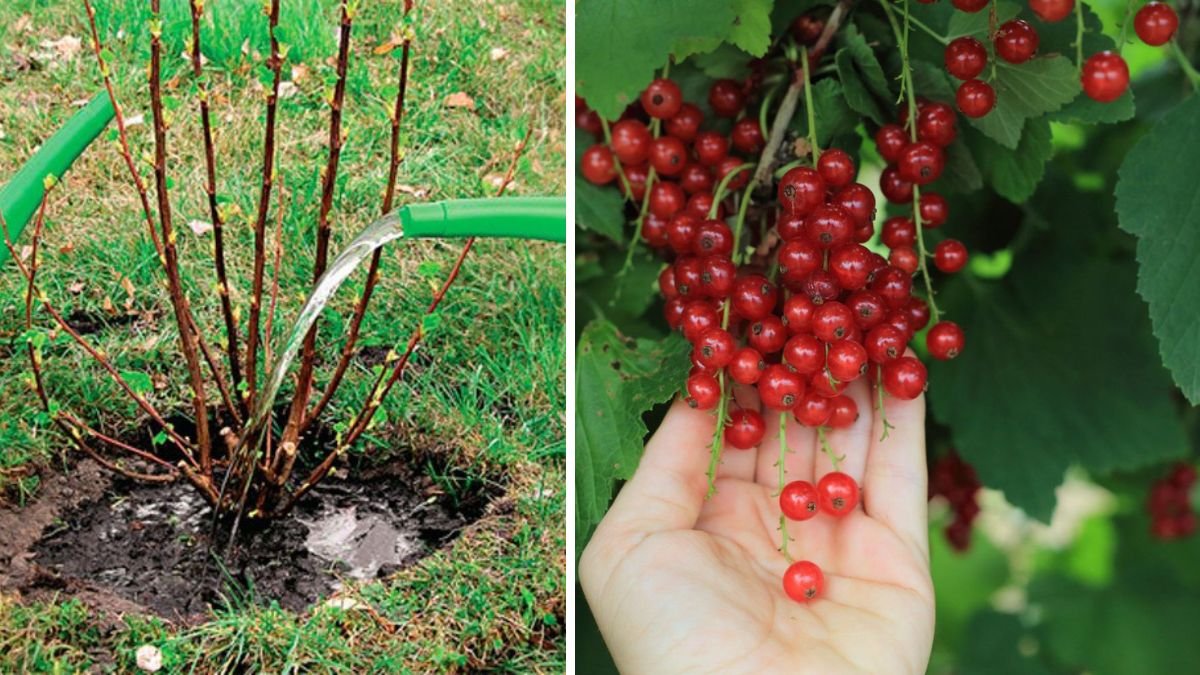
Red currants (Ribes rubrum) are versatile, nutrient-rich berries that can brighten up your garden and your plate. Known for their striking color and tart flavor, red currants can be enjoyed fresh, in jams, or as a delicious addition to desserts and savory dishes. If you’ve ever wondered how to grow these lovely berries at home, this comprehensive guide will take you through every step, ensuring a bountiful harvest.
1. Understanding Red Currants
Before embarking on your gardening journey, it’s crucial to understand what red currants are. Red currants are deciduous shrubs that can grow between 3 to 5 feet tall and wide. They produce clusters of small, vibrant red berries that are packed with antioxidants, vitamin C, and other essential nutrients.
Varieties of Red Currants
There are several popular varieties of red currants, including:
- Red Lake: Known for its high yield and vigorous growth.
- Jelly: Larger berries that are excellent for jellies and jams.
- Rondom: This variety is resistant to diseases and has a sweeter taste.
Each variety has its unique characteristics, so consider your preferences when choosing the right one for your garden.
2. Choosing the Right Location
Red currants thrive in a sunny location but can tolerate partial shade. Here are factors to keep in mind when selecting a spot:
Sunlight
- Full Sun: Aim for at least 6-8 hours of direct sunlight per day to maximize fruit production.
- Partial Shade: While they can grow in partial shade, yields may be lower.
Soil Requirements
- pH Level: Red currants prefer slightly acidic to neutral soil (pH 6.0 to 7.0).
- Soil Type: Well-draining loamy soil is ideal.
- Organic Matter: Incorporate compost or well-rotted manure to provide essential nutrients.
Space Considerations
When planting multiple bushes, allow at least 3 to 4 feet of space between each bush to ensure good air circulation and easy access for maintenance.
3. Planting Red Currant Bushes
Planting your red currant bushes at the right time and using proper techniques will set the stage for a healthy harvest.
Best Time to Plant
- Spring or Fall: Early spring (after the last frost) and late fall are ideal times for planting.
How to Plant
- Prepare the Soil: Clear any weeds or debris and loosen the soil. Mix in organic matter.
- Dig a Hole: The hole should be about twice the size of the root ball.
- Position the Plant: Remove the plant from its container, gently loosen the roots, and place it in the center of the hole. Ensure the crown is level with the soil surface.
- Backfill with Soil: Fill the hole with the prepared soil, tamping it down gently to remove air pockets.
- Water Thoroughly: Water the newly planted bushes well to help settle the soil.
4. Caring for Your Red Currant Bushes
After planting, your currant bushes will need regular care to ensure optimal growth and fruiting.
Watering
- Frequency: Keep the soil consistently moist, particularly during dry spells. Water deeply once a week.
- Avoid Overwatering: Make sure the soil drains well to avoid root rot.
Fertilizing
- Organic Fertilizer: Use a balanced organic fertilizer in early spring before growth begins.
- Follow-Up Feeding: You can apply again during the growing season but avoid excessive nitrogen, as it can hinder fruit production.
Pruning
Pruning is essential for healthy growth and maximizing fruit yield.
- When to Prune: Late winter to early spring is the best time for pruning.
- What to Do:
- Remove dead or diseased wood.
- Thin out crowded branches to promote airflow.
- Cut back older branches that are no longer productive.
Pest and Disease Management
Red currants are relatively disease-resistant but are not immune to pests and diseases.
- Common Pests: Watch for aphids, spider mites, and currant borer. Use insecticidal soap or neem oil as a natural remedy.
- Common Diseases: Root rot, powdery mildew, and leaf spot can often be managed through good cultural practices and sanitation.
5. Harvesting Red Currants
Knowing when and how to harvest can make a significant difference in the quality of your fruit.
When to Harvest
- Timing: Red currants typically ripen in mid to late summer. Look for bright red, firm berries.
- Taste Test: Sample a few berries to ensure they have reached the desired tartness.
How to Harvest
- Gentle Method: Use your fingers or a pair of scissors to cut clusters of berries, taking care not to damage the plant.
- Store Properly: Place harvested berries in a shallow container and refrigerate. They can last for up to a week under the right conditions.
6. Uses and Recipes for Red Currants
Once you’ve grown your red currants, you’ll want to make the most of them! Here are some delicious ways to use these vibrant fruits:
Fresh Consumption
- Add them to fruit salads or yogurt.
- Use them as a topping for desserts or breakfast items like pancakes or waffles.
Preserves and Jams
- Red currants can be cooked down to create delicious jams. The natural pectin in the berries helps with thickening.
Sauces and Syrups
- Create a tart sauce to complement meat dishes or a syrup for drizzling over desserts.
FAQs
1. How long does it take for red currant bushes to produce fruit?
Red currant bushes typically start producing fruit in their second or third year if properly cared for.
2. Can I grow red currants in containers?
Yes, red currants can be grown in large containers. Ensure the container has proper drainage and use high-quality potting soil.
3. What is the best way to propagate red currants?
You can propagate red currants through cuttings taken in late spring or early summer. Alternatively, layering can also be effective.
4. Are red currants self-pollinating?
Yes, red currants are self-pollinating, but planting more than one variety can improve yields.
5. How often should I prune my red currant bushes?
Annual pruning is recommended to remove dead wood and thin out crowded areas, typically done in late winter or early spring.
6. How do I know if my soil is suitable for growing red currants?
You can test your soil’s pH with a kit from a garden center. Aim for pH 6.0 to 7.0. Amend the soil as needed to meet these requirements.
7. Can red currants survive in cold climates?
Yes, red currants are hardy and can tolerate cold climates; however, ensure they are planted in a well-draining location to avoid root rot during winter.
8. How should I support the bushes as they grow?
While red currants are generally self-supporting, you can use stakes or trellises if they start to appear floppy or heavy with fruit.
Conclusion
Growing red currant bushes at home can be a rewarding endeavor, providing you with delicious fruit for years to come. With the right location, care, and practices, you’ll not only enjoy a bountiful harvest but also impart vital gardening skills. Whether you’re savoring them fresh or transforming them into homemade jams and sauces, red currants can add a burst of flavor and nutrition to your kitchen. Happy gardening!