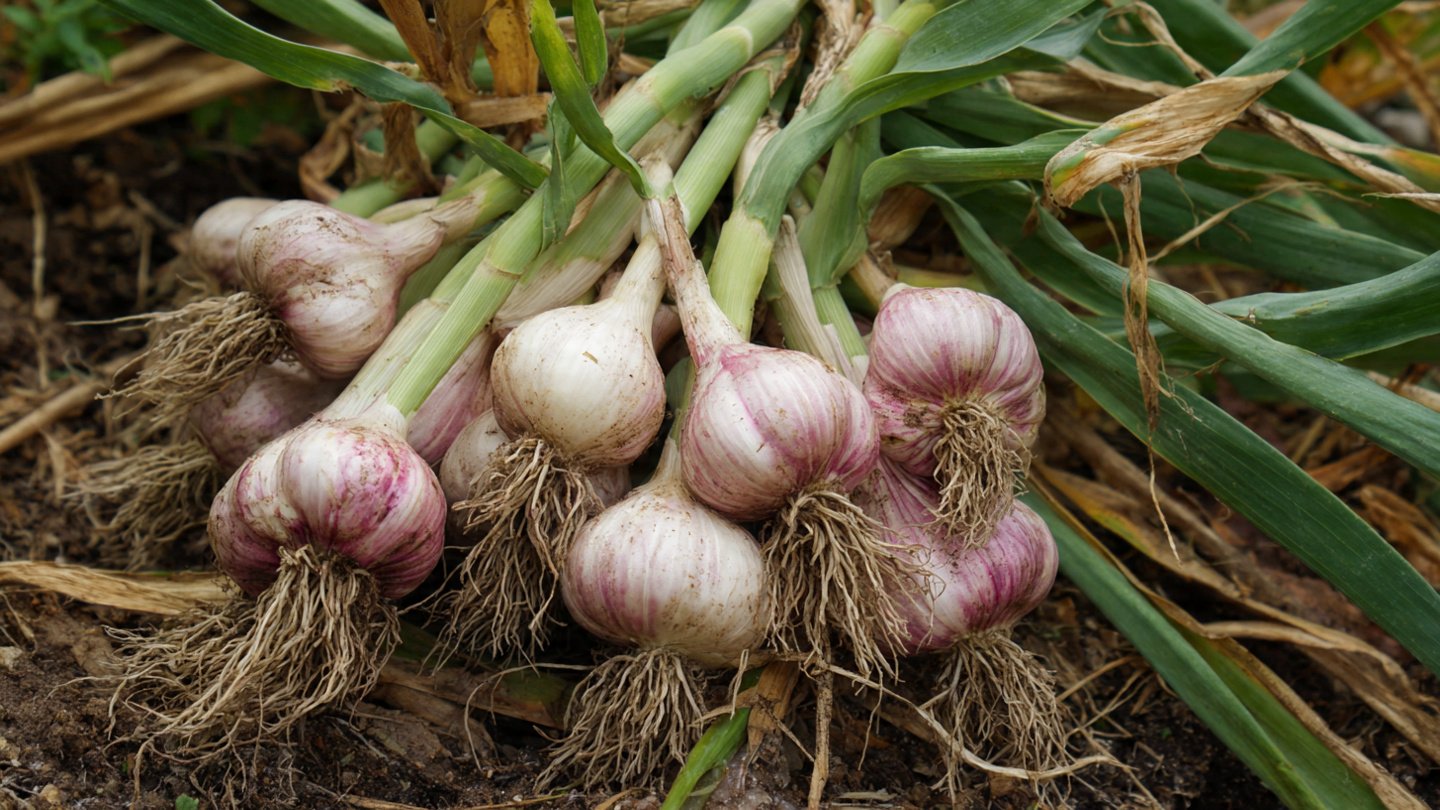
Garlic is an essential ingredient in various cuisines worldwide, offering a depth of flavor and numerous health benefits. Among the two primary types of garlic—softneck and hardneck—softneck garlic is particularly popular for its versatility, longer shelf life, and ease of cultivation. In this article, we will explore the steps, tips, and tricks for successfully growing softneck garlic at home, ensuring you get the most flavor and yield from your harvest.
1. Understanding Softneck Garlic
Softneck garlic (Allium sativum var. sativum) is characterized by its flexible neck, making it suitable for braiding and storage. This variety produces multiple cloves per bulb and features a milder flavor than hardneck varieties. The most common types of softneck garlic include:
- Silverskin: Known for its long shelf life and strong flavor, perfect for roasting or adding to dishes.
- Artichoke: This type delivers big bulbs with a mild, sweet flavor, and is typically easier to grow.
These varieties thrive in various climates, making them ideal for home gardens.
2. Choosing the Right Location and Soil
2.1 Sunlight and Space Requirements
Garlic loves sunlight. To ensure robust growth and optimal bulb development, select a site that receives at least 6 to 8 hours of full sun each day. Softneck garlic prefers well-drained soil, ideally with a pH level between 6.0 and 7.0.
2.2 Soil Preparation
Preparing the soil is crucial for successful garlic cultivation. Here’s how to do it:
- Clear the Area: Remove weeds, stones, and debris from the planting area.
- Test Soil: Consider conducting a soil test to determine pH and nutrient levels.
- Amend the Soil: Add organic matter, such as compost or well-rotted manure, to enhance soil fertility and drainage.
2.3 Raised Beds
If your garden soil is heavy clay or sandy, consider planting in raised beds to improve drainage and aeration. Raised beds also allow for easier access and pest control.
3. Selecting the Right Garlic Bulbs
3.1 Choosing Quality Seed Garlic
When growing garlic, always choose high-quality seed bulbs rather than store-bought garlic, which may not be suited for your climate or may carry diseases. Purchase seed garlic from reputable sources or local farmers.
3.2 Clove Selection
When selecting bulbs, look for firm, healthy heads without signs of disease or soft spots. Split the bulbs into individual cloves, ensuring each clove has a skin intact, as this helps protect against disease.
4. Planting Garlic
4.1 Timing
Softneck garlic is typically planted in the fall before the ground freezes, but it can also be planted in early spring. Fall planting allows the garlic to establish roots before winter, leading to better spring growth and larger bulbs.
4.2 Planting Technique
- Space Rows: Allow 12-18 inches between rows. Rows should be 4-6 inches apart.
- Clove Placement: Plant cloves 2-4 inches deep, with the pointed end facing up.
- Watering: Water the area thoroughly after planting, ensuring adequate moisture for root establishment.
4.3 Mulching
Adding a layer of mulch (straw or shredded leaves) can help retain moisture, suppress weeds, and provide insulation over the winter months.
5. Caring for Your Garlic Plants
5.1 Watering
Garlic requires consistent moisture, especially during its growing season. Water deeply but infrequently to encourage deep root growth. Avoid overwatering, as soggy soil can lead to rot.
5.2 Fertilizing
A balanced fertilizer can boost growth. Use a fertilizer high in nitrogen for early growth, then switch to one higher in potassium and phosphorus as the bulbs begin to form. Organic options like compost tea and fish emulsion can also be beneficial.
5.3 Weeding
Weeds compete for nutrients and water, so regularly check your garlic patch. Hand-pulling is often the safest method to avoid disturbing the garlic roots.
5.4 Pest and Disease Control
Softneck garlic is generally resistant to pests and diseases. However, keep an eye out for pests like aphids or onion maggots and diseases such as white rot. Implement crop rotation and proper hygiene practices to minimize disease risk.
6. Harvesting Garlic
6.1 Timing
Harvesting typically occurs in mid to late summer when the lower leaves start to yellow but not all have turned brown. The ideal time is when about one-third of the leaves are yellow.
6.2 Harvesting Technique
- Loosen the Soil: Use a fork to gently loosen the soil around the bulbs.
- Pulling Up Bulbs: Grasp the bulb and pull it up carefully, avoiding damage.
- Cleaning: Remove excess soil but do not wash the bulbs, as moisture can lead to rot.
7. Curing and Storing Garlic
7.1 Curing
Curing is essential for prolonging the shelf life of garlic. Here’s how to do it:
- Location: Place garlic in a cool, dry, and well-ventilated area for 2-4 weeks.
- Keeping Intact: Leave the roots and stems intact for optimal curing.
7.2 Storing
After curing, store garlic in a cool, dark place with good airflow. Avoid storing garlic in plastic bags, as this promotes moisture accumulation and decay. A mesh bag or breathable container is ideal.
8. Tips for Maximizing Flavor and Yield
- Rotate Crops: Practice crop rotation to prevent disease build-up in the soil.
- Plant Different Varieties: Growing multiple varieties can yield diverse flavors and extended harvests.
- Regular Maintenance: Regularly monitor your garlic for signs of stress and pests.
- Soil Health: Test and amend your soil as needed to support year-round garlic growth.
FAQs About Growing Softneck Garlic
Q1: When is the best time to plant softneck garlic?
A1: Plant softneck garlic in the fall (September to November) before the ground freezes, or in early spring (March to April) for a late harvest.
Q2: How can I improve soil quality for garlic?
A2: Add organic matter like compost or well-rotted manure and ensure good drainage.
Q3: How much garlic should I plant?
A3: A good rule of thumb is to plant 5-10 cloves per person, depending on your consumption.
Q4: What are the signs that garlic is ready to harvest?
A4: Garlic is ready when one-third of the leaves have turned yellow or brown.
Q5: Can I grow garlic in pots?
A5: Yes, garlic can be grown in pots or containers with adequate depth and drainage.
Q6: How do I know if my garlic is healthy?
A6: Healthy garlic bulbs should be firm, plump, and free from soft spots or mold.
Q7: What pests should I watch out for?
A7: Common pests include aphids, onion maggots, and nematodes. Regular monitoring can help mitigate these issues.
Conclusion
Growing softneck garlic at home is a rewarding endeavor, providing flavorful bulbs for culinary use and health benefits for you and your family. By following the steps outlined in this guide, maintaining good care practices, and addressing common issues, you can achieve a bountiful harvest of tasty garlic to enjoy in your kitchen for months to come. Happy gardening!