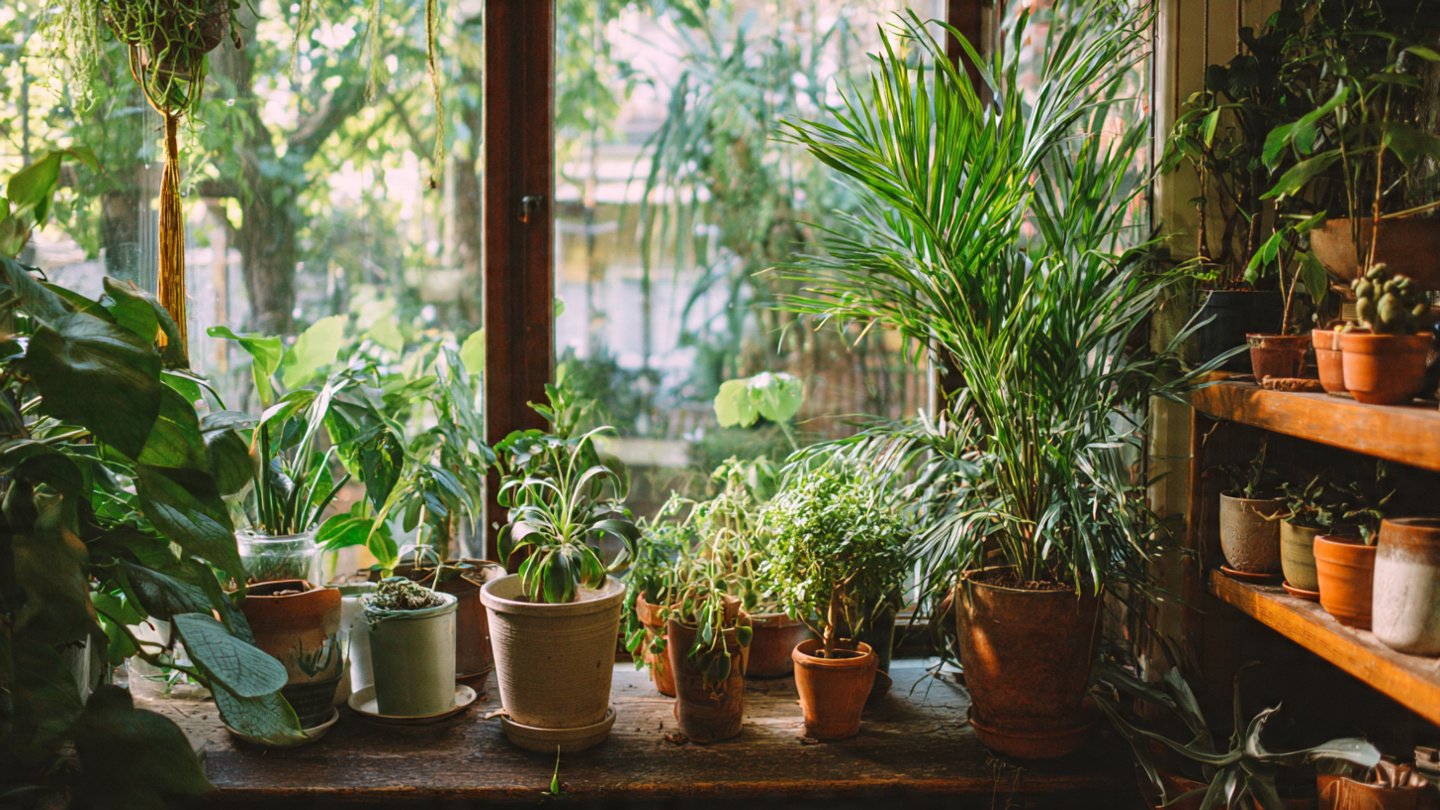
Indoor plants offer a myriad of benefits, from purifying the air to enhancing our living spaces aesthetically. However, not everyone possesses a green thumb. Fortunately, tough indoor plants are the perfect solution for those looking to bring greenery into their home without the fear of failure. This article will delve into how to successfully grow resilient indoor plants, categorized by type, care tips, troubleshooting, and selection methods.
Why Choose Tough Indoor Plants?
Tough indoor plants are known for their resilience and ability to thrive in less-than-ideal conditions. They can tolerate neglect, low light, and variable humidity, making them perfect for beginners or busy individuals. Here are a few reasons why tough indoor plants should be your go-to choice:
- Low Maintenance: Unlike their finicky counterparts, tough plants require minimal care, making them ideal for busy lifestyles or for those new to gardening.
- Air Quality Improvement: Many resilient plants have air-purifying qualities, helping to reduce indoor toxins and improve air quality.
- Aesthetics: They can add a chic, organic touch to any room, enhancing both the decor and overall ambiance of your space.
Choosing the Right Tough Indoor Plants
Selecting the right tough indoor plants is crucial for success. Here are some hardy options that thrive indoors:
1. Snake Plant (Sansevieria)
Light Requirements: Tolerates low to bright indirect light.
Watering Needs: Water when the soil is dry to the touch.
Benefits: Removes toxins like formaldehyde and benzene from the air.
2. Pothos (Epipremnum aureum)
Light Requirements: Prefers low to medium indirect light but can tolerate low light.
Watering Needs: Allow the top inch of soil to dry out between waterings.
Benefits: Known for its ability to purify air and grow in various conditions.
3. ZZ Plant (Zamioculcas zamiifolia)
Light Requirements: Thrives in low light conditions.
Watering Needs: Water every 2-3 weeks, allowing the soil to dry between waterings.
Benefits: Very low maintenance, and it can survive with little light and infrequent watering.
4. Spider Plant (Chlorophytum comosum)
Light Requirements: Prefers bright, indirect light but can adapt to lower lighting conditions.
Watering Needs: Water when the soil feels dry.
Benefits: Great for air purification and produces “baby” plants that can be propagated easily.
5. Peace Lily (Spathiphyllum)
Light Requirements: Thrives in low to medium indirect light.
Watering Needs: Allow the top inch of soil to dry out between waterings.
Benefits: Produces beautiful white flowers and is also effective at removing toxins.
Essential Care Tips for Tough Indoor Plants
With the right plants selected, understanding their care requirements is essential. Here’s a comprehensive guide to ensuring they thrive indoors.
Lighting
The right light is crucial for plant health. While tough plants can tolerate low light, they still need some sort of bright, indirect light for optimal growth. Here are some lighting tips:
- Place plants near windows with filtered light.
- Rotate the plants regularly to ensure all sides receive equal light exposure.
- If natural light is limited, consider incorporating grow lights.
Watering
Overwatering is one of the most common mistakes indoor gardeners make. Here’s how to avoid it:
- Use pots with drainage holes to prevent waterlogging.
- Water only when the top inch of soil feels dry.
- Less is more; many tough indoor plants prefer to be on the dry side than soggy.
Humidity
Indoor humidity levels can be variable, often being lower than outdoor conditions. Here’s how to manage it:
- Group plants together to create a mini-microclimate of humidity.
- Use a humidity tray, filled with pebbles and water, under your pots.
- Misting can help, but be cautious—some plants do not appreciate excess moisture on their leaves.
Temperature
Most tough indoor plants prefer temperatures between 60°F and 75°F (15°C to 24°C). To maintain optimal temperature:
- Keep plants away from drafts, heaters, and air conditioning vents.
- Monitor crucial temperature changes, especially in extreme weather.
Fertilization
While tough plants don’t require heavy feeding, a light touch can stimulate growth. Here’s how to do it:
- Use a balanced, water-soluble fertilizer diluted to half strength during the growing season (spring and summer).
- Avoid fertilizing during fall and winter when plants are generally in a resting phase.
Pruning and Repotting
Regular pruning can encourage healthy growth and remove dead or yellowing leaves. For repotting, do it sparingly:
- Gently remove the plant from its pot and shake off excess soil.
- Choose a pot that’s one size larger and ensure it has drainage holes.
- Use fresh potting soil enriched with organic matter.
Troubleshooting Common Issues
Even tough plants can face challenges. Here are some common problems and their solutions:
1. Yellowing Leaves
Causes: Overwatering, underwatering, or insufficient light.
Solutions: Adjust your watering schedule and ensure the plant is receiving adequate light.
2. Brown Leaf Tips
Causes: Low humidity or inconsistent watering.
Solutions: Increase humidity levels around the plant and monitor your watering routine.
3. Leaf Drop
Causes: Sudden changes in temperature or drastic changes in light.
Solutions: Keep the plant in a stable environment and avoid relocating it frequently.
4. Pests
Common Pests: Spider mites, aphids, and mealybugs.
Solutions: Use insecticidal soap or neem oil as a natural remedy to control infestations.
Final Thoughts
Growing tough indoor plants can be a rewarding experience, even for those intimidated by traditional gardening. By selecting the right plants and following care guidelines, you can create a lush, vibrant indoor jungle without a lot of fuss. Beyond their aesthetic appeal, these plants will purify your space, uplift your mood, and contribute to a healthier living environment.
As you nurture these resilient companions, remember that every plant is unique and may have its individual quirks to adapt to. Happy gardening!