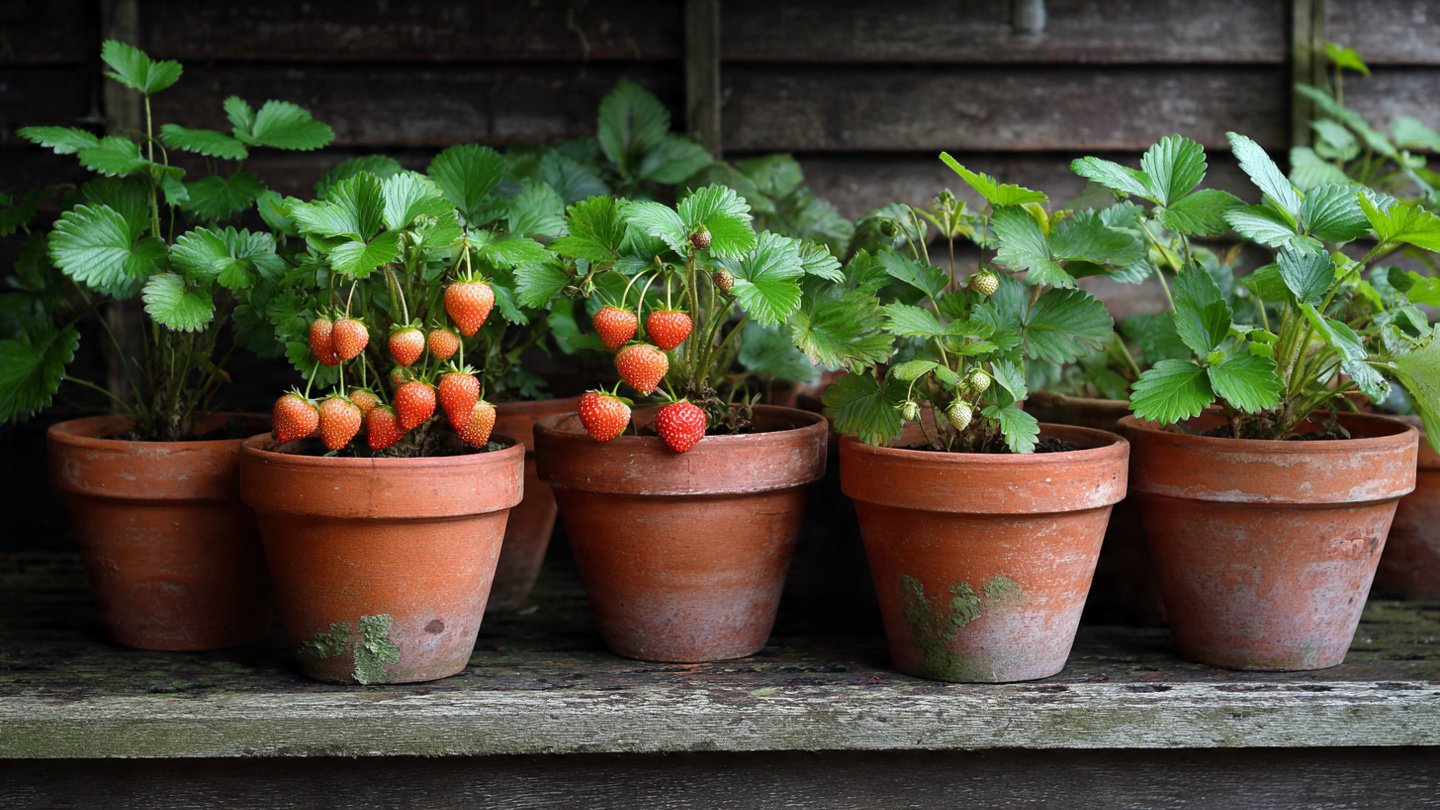
Strawberries are cherished for their sweetness, versatility, and vibrant color. For gardeners looking to expand their planting, multiplying strawberry runners is an effective way to generate more plants without the substantial costs associated with buying new stock. This article will provide you with a comprehensive guide on how to successfully propagate strawberry runners in pots, culminating in a bountiful harvest.
Understanding Strawberry Runners
Strawberries propagate through two methods: seeds and runners. Runners, or stolons, are long, thin stems that extend from the parent plant, creating new plants at their tips. This method is both efficient and cost-effective, making it the preferred choice for many home gardeners.
Types of Strawberry Plants
- June-bearing: Producing a single, large harvest in late spring or early summer, they produce fewer runners.
- Everbearing: They yield fruit throughout the growing season and tend to produce more runners.
- Day-neutral: Similar to everbearing strawberries, they can fruit continuously throughout their growing season, often producing an abundance of runners.
Choosing the Right Variety
When selecting strawberry varieties for propagation, choose one that fits your climate and taste preferences. Some common varieties include:
- Alpine Strawberries: Smaller, intensely flavored berries that thrive in pots.
- Chandler: Known for its large, sweet fruit; ideal for warmer climates.
- Cavendish: A hearty, versatile variety perfect for pot cultivation.
Step-by-Step Guide to Multiplying Strawberry Runners
Step 1: Gather Materials
Before you begin, gather the following materials:
- Strawberry plants: Choose healthy, mature plants.
- Containers: Use pots with drainage holes; 6-10 inches in diameter is ideal.
- Potting soil: Choose a rich, well-draining mix.
- Watering can: For adequate hydration.
- Fertilizer: Utilize a balanced fertilizer suitable for fruits.
Step 2: Identify Healthy Runners
Inspect your strawberry plants for long, healthy runners that have established roots but are still attached to the parent plant. Look for:
- Vibrant color: The runners should be green and not wilted.
- Root development: The tips of the runners should have small roots nipping at the edges.
Step 3: Prepare the Pots
Fill each pot with potting soil, leaving about an inch of space from the rim to accommodate watering. Make sure the medium is damp but not soggy, as this can cause root rot.
Step 4: Plant the Runners
a. Separation: Carefully detangle the runners from the parent plant, making sure to keep the roots intact.
b. Planting: Position each runner so that the small root system is in the soil while the leaves remain above the surface. Plant them about 2-3 inches apart in the pot.
c. Watering: After planting, water the soil thoroughly until moisture seeps from the drainage holes. This ensures that the roots make good contact with the soil.
Step 5: Care for New Plants
a. Sunlight: Place the pots in a location where they can receive at least 6-8 hours of sunlight daily. If you’re in a particularly hot region, partial shade during the afternoon can prevent scorching.
b. Watering: Keep the soil consistently moist but not saturated. Monitor the moisture levels; pots can dry out faster than garden beds.
c. Fertilizing: Use a balanced fertilizer every 4-6 weeks. This will ensure your plants get the nutrients they need to thrive.
d. Protecting from Pests: Keep an eye out for common pests such as aphids and spider mites. Introduce beneficial insects or use organic insecticides if infestations occur.
Step 6: Allow Time to Establish
It generally takes about 4-6 weeks for the runners to establish themselves and start producing new foliage. Patience is essential during this phase, as the roots need time to develop fully.
Step 7: Transplanting (Optional)
Once the new strawberry plants have developed a good root system, you can either keep them in pots or transplant them to a larger container or garden bed if space allows. When transplanting:
- Choose a suitable time, preferably in cooler months by late spring or early fall.
- Ensure the new location has similar soil and sun exposure.
- Water thoroughly after transplanting.
Benefits of Growing Strawberries in Pots
Growing strawberries in pots offers several advantages, making it an appealing option for many gardeners:
- Space Efficiency: Ideal for those with limited garden space.
- Mobility: Pots can be moved to maximize sun exposure or protect from adverse weather.
- Control: Easier to manage soil conditions and pests.
- Aesthetic Appeal: Potted strawberries can enhance the beauty of patios, decks, or balconies.
Challenges and Solutions
Common Issues
-
Root Rot: Overwatering can lead to root rot.
- Solution: Ensure proper drainage and avoid waterlogging.
-
Pest Infestation: Pests like aphids or slugs may invade potted plants.
- Solution: Use natural pest deterrents, such as neem oil or diatomaceous earth.
-
Insufficient Sunlight: Inadequate sunlight may hinder growth and fruit production.
- Solution: Move pots to a sunnier location or use grow lights for indoor setups.
-
Nutrient Deficiency: Strawberry plants can show signs of nutrient stress.
- Solution: Regularly feed with balanced fertilizers and organic compost.
Harvesting Your Strawberries
Once the runners have matured, it’s time to enjoy the fruits of your labor! Harvest strawberries when they are fully red and slightly soft to the touch. Use scissors or pruners to gently detach the berries from the plant to avoid damaging the runners.
Storage Tips
Fresh strawberries are best enjoyed soon after harvesting. However, if you need to store them:
- Keep them unwashed in a breathable container in the refrigerator.
- Consume within a week for the best flavor and quality.
FAQs
Q: How long does it take for strawberry runners to produce fruit?
A: Strawberry runners typically take about 4-6 weeks to establish. Once transplanted, you may expect fruit production within the first growing season, though some varieties may take longer.
Q: Can I grow strawberries indoors?
A: Yes! Strawberry plants can thrive indoors, provided they receive sufficient light (6-8 hours per day). Using grow lights can help if natural sunlight is limited.
Q: Should I remove the flowers from new plants?
A: It’s recommended to remove flowers from newly established runners in their first year to direct energy toward root and foliage development instead of fruiting.
Q: How do I know when to water my strawberry plants?
A: The soil should be moist but not soggy. Stick your finger about an inch into the soil; if it feels dry, it’s time to water.
Q: Can I propagate strawberries from store-bought plants?
A: Yes, you can propagate from healthy, disease-free store-bought strawberry plants as long as they are well-rooted and have runners.
Q: What type of soil is best for strawberry pots?
A: A light, well-draining potting mix is ideal for growing strawberries in pots. Consider using a mix designed for container gardening.
Q: Do strawberries require a lot of care?
A: While strawberries are relatively low-maintenance, they do require regular watering, occasional fertilizing, and pest management for the best results.
Growing strawberries by multiplying runners in pots is a gratifying endeavor that can lead to a plentiful harvest. By following these steps and addressing common challenges, you can enjoy delicious strawberries right from your garden. Happy gardening!