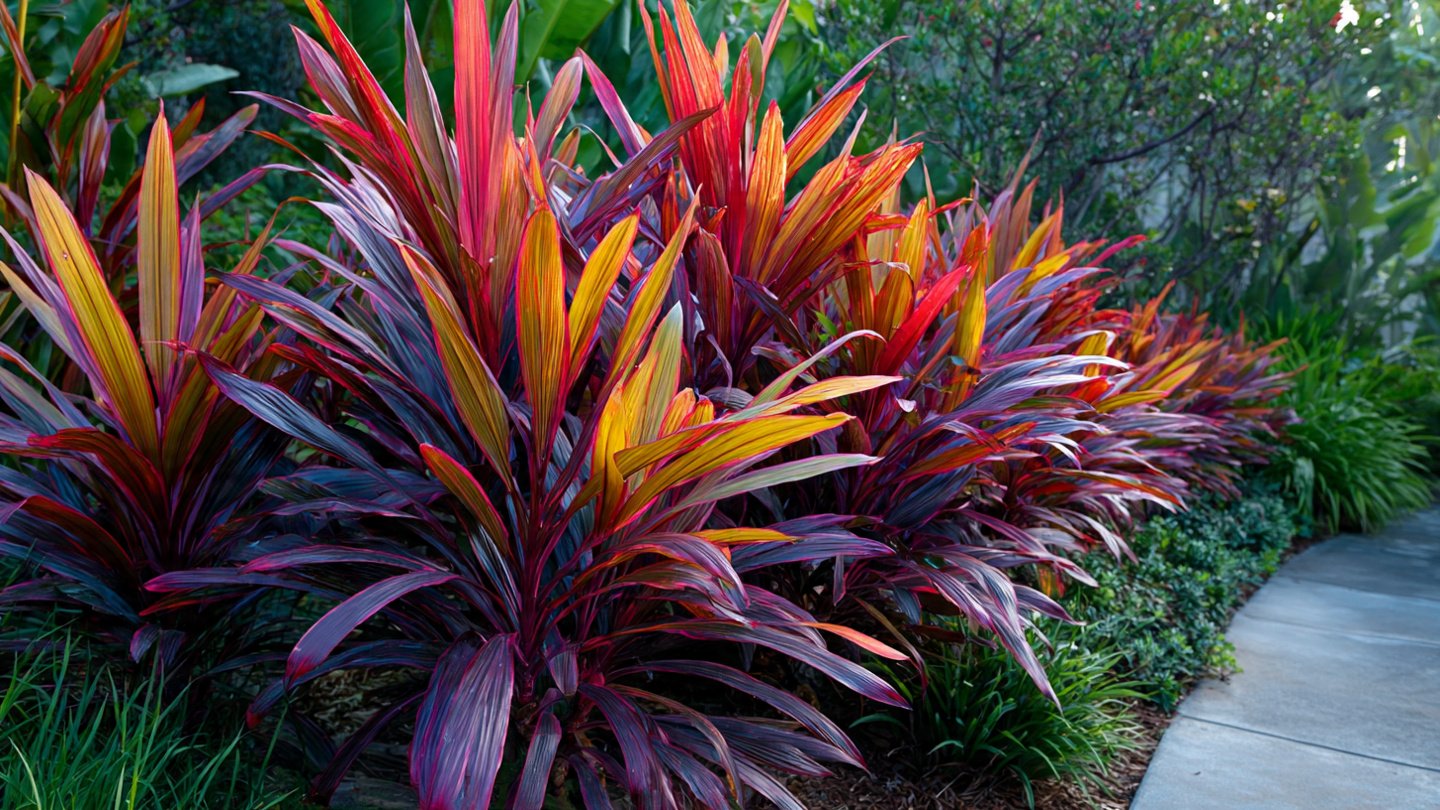
Creating a visually stunning garden can sometimes feel like a daunting task, especially when aiming for a cohesive and striking look. However, transforming your outdoor space doesn’t have to be complicated or expensive. One simple method is to utilize color blocks with striking plants. Among the best candidates for this scheme is Cordyline, a tropical plant known for its vibrant foliage and sculptural form. This guide will walk you through the process of growing Cordyline in color blocks to create a dazzling garden that stands out.
Understanding Cordyline
What is Cordyline?
Cordyline, commonly known as ti plant or cabbage tree, is native to tropical and subtropical regions. It boasts a variety of leaf shapes and colors, including shades of green, pink, red, and purple. This diversity makes Cordyline a versatile choice for any garden design.
Benefits of Growing Cordyline
- Visual Interest: The dramatic foliage of Cordyline provides year-round interest.
- Easy Maintenance: These plants are relatively hardy and require minimal care once established.
- Versatile Growth: They can be grown in containers, borders, or even as focal points in your garden.
The Basics of Color Blocking
What is Color Blocking?
Color blocking is a design technique that involves grouping together plants of different colors to create a striking visual effect. By selecting plants with complementary or contrasting colors, you can create specific moods or themes within your garden.
Choosing Your Color Palette
Identifying a color scheme is the first step in your transformation. Consider the following approaches:
- Monochromatic: Use varying shades of a single color for a serene look.
- Analogous: Pair colors that are next to each other on the color wheel, like red, orange, and yellow.
- Complementary: Use colors opposite each other on the color wheel for high contrast, like purple and yellow.
Preparing Your Garden for Color Blocks
Assessing Your Space
Before planting, take stock of your garden’s current layout. Consider factors such as light, space, and existing plants. If you have areas that receive full sun compared to shaded spots, you’ll need to choose your Cordyline varieties and companion plants accordingly.
Soil Testing and Preparation
Cordyline thrives in well-draining soil rich in organic matter. Conduct a soil test to determine pH and nutrient levels, then improve the soil with compost or organic fertilizers as needed.
Planning Your Layout
Sketch out a plan for your garden, marking the areas where you’ll create your color blocks. Consider planting Cordyline in clusters to enhance their visual impact:
- Focal Points: Place taller varieties at the back or center of beds.
- Borders: Use shorter varieties along pathways or edges.
- Containers: Employ colorful pots for mixed plantings.
Selecting Cordyline Varieties
Popular Varieties to Consider
- Cordyline fruticosa: Known as the ti plant, it features vibrant green, pink, or burgundy foliage.
- Cordyline australis: The cabbage tree is tall and has strappy leaves, making it perfect for a dramatic focal point.
- Cordyline ‘Red Star’: This variety boasts striking red leaves that can act as a center of attention in a color block.
Companion Plants
To enhance the color-blocking effect, consider integrating companion plants that harmonize with Cordyline:
- Grasses: Varieties like ornamental grasses can add movement and texture.
- Flowers: Bright bloomers like marigolds or zinnias can provide seasonal color contrast.
- Foliage: Select plants with different leaf shapes and colors to maintain interest throughout the year.
Planting Cordyline
When to Plant
For most areas, late spring to early summer is the ideal time to plant Cordyline when the risk of frost has passed. However, in warmer climates, you may be able to plant in early spring or late winter.
How to Plant
- Spacing: Depending on the variety, space your Cordyline at least 18 to 36 inches apart.
- Digging Holes: Dig holes twice as wide as the root ball but no deeper than the root ball itself.
- Filling: Place the plant in the hole and backfill with soil while ensuring the crown is level with the soil surface.
- Watering: Water thoroughly after planting to settle the soil and eliminate air pockets.
Caring for Cordyline
Watering
Cordyline prefers consistently moist soil but is relatively drought-tolerant once established. Water regularly during dry spells and reduce watering in colder months.
Fertilizing
Apply a balanced slow-release fertilizer every few months during the growing season to provide essential nutrients.
Pruning and Maintenance
- Cleaning: Remove any dead or damaged leaves to keep plants healthy and looking their best.
- Shaping: Prune as necessary to maintain the desired shape and height.
Pest and Disease Management
Cordyline is generally resistant to pests but can occasionally attract scales or spider mites. Check regularly for any infestations and treat with appropriate organic or chemical insecticides if necessary.
Seasonal Considerations
Spring
In spring, begin your care regimen by reapplying mulch to retain moisture and suppress weeds. This is also the time to add fertilizers to encourage robust growth.
Summer
Monitor watering needs closely during the hot summer months, and ensure your plants receive adequate hydration.
Fall
As temperatures begin to drop, you may want to prepare your Cordyline for cooler weather. In particularly cold regions, consider bringing container plants indoors.
Winter
Cordyline can withstand mild frosts, but in colder areas, consider mulching around the base to insulate roots and prevent freeze damage.
Designing Your Color Block Garden
Creating Harmony
Once your Cordyline and companion plants are in place, take a step back to assess the overall design. Look for areas where colors can be blended or where patches feel overcrowded.
Adding Pathways and Structure
Consider adding pathways or border structures to enhance the color block effect. Gravel paths, wooden borders, or even boulders can create defined areas and guide the eye throughout your garden.
Seasonal Changes
Plan for seasonal changes by incorporating a variety of plants that offer something different throughout different times of the year. Include late-blooming perennials or evergreens that provide contrast in winter.
The Transformative Power of Color
Using color blocking with Cordyline in your garden can drastically enhance its appeal, making it vibrant, cohesive, and inviting. The visual impact of a well-planned garden not only beautifies your home but creates a serene outdoor space where you can unwind and connect with nature.
Final Thoughts
Transforming your garden into a space that showcases the striking beauty of Cordyline can be a rewarding and fulfilling endeavor. With careful planning, thoughtful selections, and easy maintenance, you’ll be well on your way to establishing a garden that delights the senses and improves your landscape’s overall aesthetic. By harnessing the power of color blocking, you can achieve a garden that not only looks stunning but fits seamlessly into your lifestyle. Happy gardening!