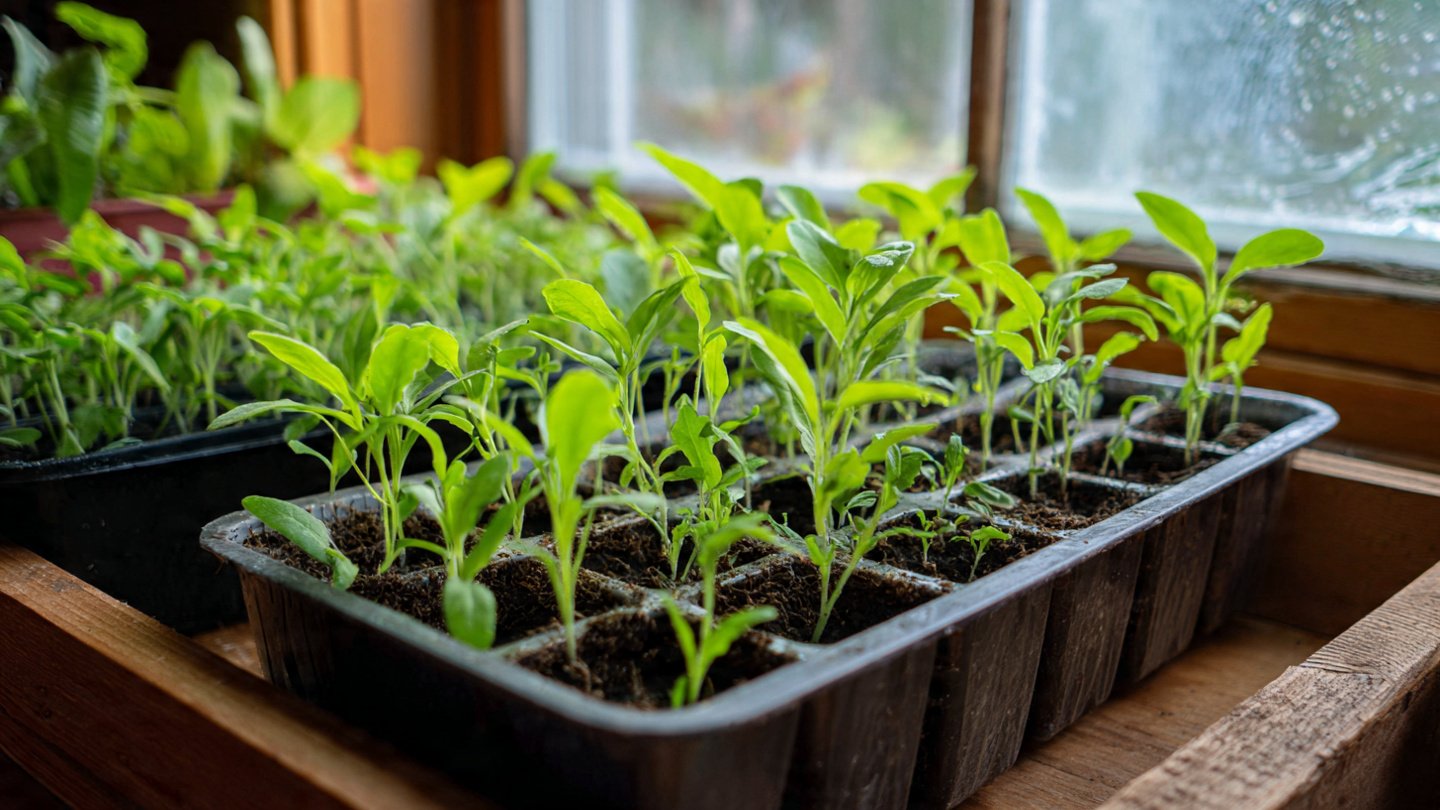
Growing sunflower greens indoors is an excellent and straightforward way to add fresh nutrition to your diet year-round. Sunflower greens are nutrient-rich, packed with vitamins, and offer a delightful crunch that enhances salads, smoothies, and sandwiches. In this article, we’ll explore the benefits of sunflower greens, the steps to grow them indoors using the easy method, and tips to ensure a successful harvest.
The Benefits of Sunflower Greens
Before we dive into the growing process, let’s take a moment to understand why sunflower greens deserve a spot in your indoor garden.
Nutritional Value
Sunflower greens are a powerhouse of nutrition. They are rich in:
- Vitamins: High in vitamins A, B-complex (particularly B6), C, D, and E, which contribute to overall health, energy production, and immune support.
- Minerals: A good source of essential minerals like calcium, magnesium, potassium, and iron.
- Antioxidants: Containing antioxidants that help combat oxidative stress and inflammation in the body.
- Protein: They provide a significant amount of plant-based protein, making them an excellent option for vegetarians and vegans.
Culinary Uses
Sunflower greens have a subtle, nutty flavor that makes them versatile in the kitchen. Here are some popular ways to enjoy them:
- Salads: Add fresh crunch to your salads.
- Smoothies: Blend them into your smoothies for added nutrition.
- Sandwiches: Use them as a topping for sandwiches or wraps.
- Garnish: Use as a garnish for soups and main dishes.
Easy to Grow
With minimal equipment and time investment, sunflower greens are one of the easiest sprouts to grow indoors.
Getting Started: What You’ll Need
To grow sunflower greens, you’ll need some basic supplies:
Materials Required
-
Sunflower Seeds: Choose high-quality, organic sunflower seeds specifically meant for sprouting. Avoid treated seeds as they may contain harmful chemicals.
-
Growing Medium: You can use either soil or a growing mat. Soil is easier for beginners, while a growing mat can provide a cleaner and tidier experience.
-
Containers: Shallow trays or containers (around 2 to 3 inches deep) that allow for good drainage. Recycled containers, like deli trays, work well.
-
Water: Clean, filtered water is best.
-
Light Source: A sunny windowsill works great. Alternatively, you can use grow lights if natural light is insufficient.
-
Spray Bottle: For misting the greens gently during the growing process.
Steps to Grow Sunflower Greens Indoors
Now that you have your materials, here’s a step-by-step guide to growing sunflower greens indoors.
Step 1: Soaking the Seeds
Begin by soaking your sunflower seeds. This process initiates germination.
- Measure: Place approximately 1 cup of sunflower seeds into a bowl.
- Soak: Fill the bowl with clean water and let the seeds soak for 8 to 12 hours.
- Drain: After soaking, drain the seeds and rinse them under fresh water.
Step 2: Prepare the Growing Medium
If you’re using soil:
- Fill the Tray: Fill your shallow tray with about 1 to 2 inches of potting soil, ensuring an even spread.
- Moisten the Soil: Lightly mist the soil with water to make it damp but not waterlogged.
If you’re using a growing mat:
- Cut to Size: Cut the mat to fit your tray, allowing it to sit flat.
- Moisten the Mat: Spray the mat with water until it’s evenly damp.
Step 3: Planting the Seeds
- Spread the Seeds: Evenly distribute the soaked sunflower seeds over the soil or growing mat.
- Press Down: Lightly press the seeds into the growing medium to ensure good contact but do not bury them.
- Cover: Optionally, you can sprinkle a thin layer of soil over the seeds (if using soil) but it’s not necessary for a growing mat.
Step 4: Watering and Covering
- Water: Mist the seeds gently using the spray bottle to ensure they’re moist but not soggy.
- Cover: Place a lid or a damp cloth over the tray to create a humid environment. This step is crucial for germination.
Step 5: Germination Phase
- Location: Place the tray in a warm, dark spot, free from direct sunlight.
- Check Daily: Check daily to ensure the seeds remain moist. If needed, mist them to keep them damp.
- Timing: After 2-3 days, you should see the seeds start to sprout. At this stage, remove the cover.
Step 6: Light Exposure
- Move to Light: Once the seeds have sprouted and are about 1 inch tall, move them to a well-lit area, preferably to a south-facing window.
- Provide Light: If using grow lights, keep them about 2-4 inches above the greens and ensure they are on for about 12-16 hours daily.
Step 7: Misting and Growth
- Daily Care: Mist your sunflower greens every day to keep them moist and promote healthy growth.
- Watch Them Grow: Within 7-14 days, your sunflower greens should reach an ideal height of around 6-8 inches.
Step 8: Harvesting
- Ready to Harvest: When your sunflower greens have developed their first true leaves, they are ready to be harvested.
- Cutting: Use sharp scissors to cut the greens right above the soil level.
Step 9: Storage
- Clean: Rinse the harvested greens gently in cool water.
- Dry: Pat them dry with a clean towel or use a salad spinner.
- Store: Place the greens in an airtight container in the refrigerator. They can last for up to a week.
Conclusion
Growing sunflower greens indoors not only adds a burst of nutrition to your meals but also connects you with the joy of gardening, even in a limited space. With the easy method outlined in this article, you can enjoy the simple pleasure of cultivating your own fresh greens, regardless of the season.
By investing a little time and using the proper techniques, you’ll have a continuous supply of fresh, crunchy, and nutrient-packed sunflower greens at your fingertips. So gather your materials, follow the steps, and savor the benefits of home-grown nutrition right from your kitchen. Happy gardening!