Introduction to Mamey Sapote
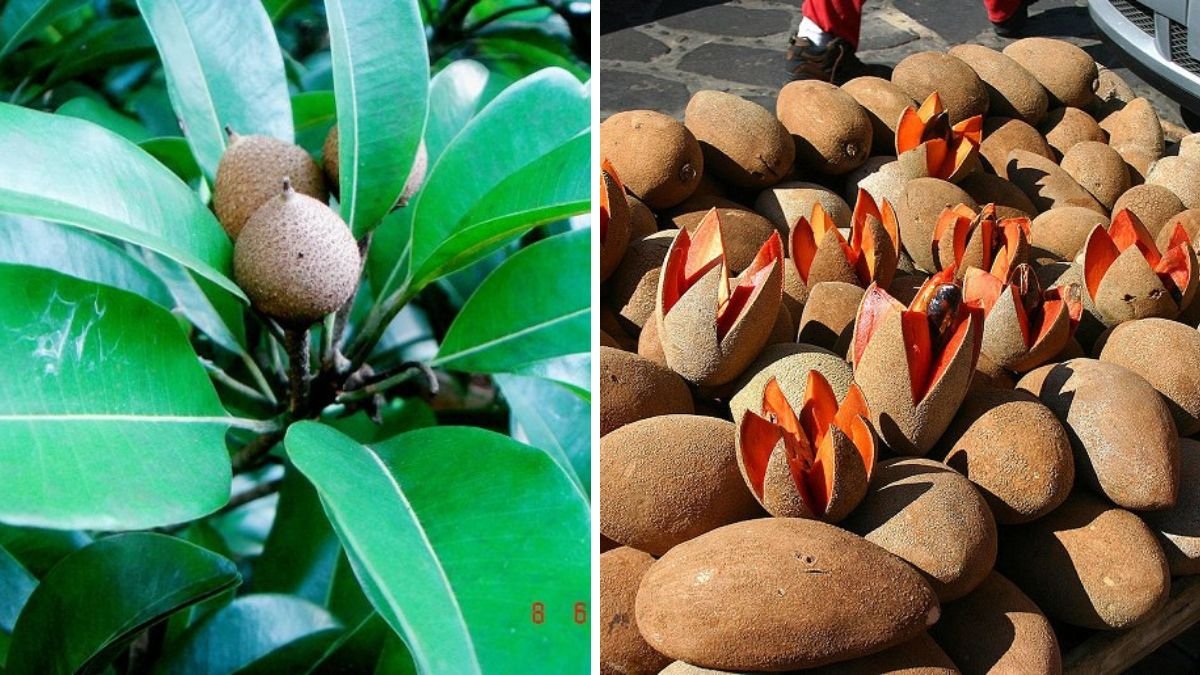
Mamey sapote is a tropical fruit tree prized for its rich, sweet pulp. Scientifically known as Pouteria sapota, it thrives in warm climates. Growing mamey sapote is a long-term investment. The fruit is popular for desserts and smoothies. Trees grow tall and strong over time. Proper care ensures healthy fruiting. This article focuses on growth from fruit stage onward. Understanding fruit development improves yield.
Understanding Mamey Sapote Tree Growth
Mamey sapote trees grow slowly initially. They develop deep root systems. Strong roots support large canopies. Trees can live for decades. Growth rate improves with proper care. Space is essential for development. Understanding growth habits helps planning. Patience is required.
Climate Requirements for Mamey Sapote
Mamey sapote prefers tropical and subtropical climates. Frost damages young trees. Warm temperatures support flowering. High humidity improves fruit set. Wind protection is beneficial. Consistent climate ensures productivity. Sudden temperature drops cause stress. Choose suitable locations.
Soil Preparation for Mature Trees
Mamey sapote prefers deep, well-drained soil. Sandy loam works best. Organic matter improves fertility. Avoid waterlogged areas. Slightly acidic soil is ideal. Proper soil supports heavy fruiting. Drainage prevents root diseases. Soil preparation is essential.
Sunlight Needs During Fruiting
Full sunlight is crucial during fruiting. Sun exposure improves fruit sweetness. Shaded trees produce fewer fruits. Morning sun is especially beneficial. Avoid overcrowding trees. Proper spacing ensures sunlight penetration. Leaves perform efficient photosynthesis. Light quality affects yield.
Watering During Fruit Development
Consistent watering supports fruit growth. Drought stress causes fruit drop. Overwatering leads to root problems. Deep watering is recommended. Mulching retains soil moisture. Adjust watering seasonally. Balanced moisture improves fruit size. Observation is important.
Fertilization for Fruit-Bearing Trees
Apply balanced fertilizers regularly. Potassium improves fruit quality. Nitrogen supports leaf growth. Avoid excessive nitrogen during fruiting. Organic compost enhances soil health. Fertilize in split doses. Proper feeding boosts yield. Nutrient balance is key.
Flowering and Pollination
Mamey sapote flowers are small and subtle. Pollination improves fruit set. Insects play a vital role. Planting multiple trees increases success. Weather affects pollination. Avoid chemical sprays during flowering. Healthy flowers lead to fruits. Pollination is essential.
Fruit Development Stages
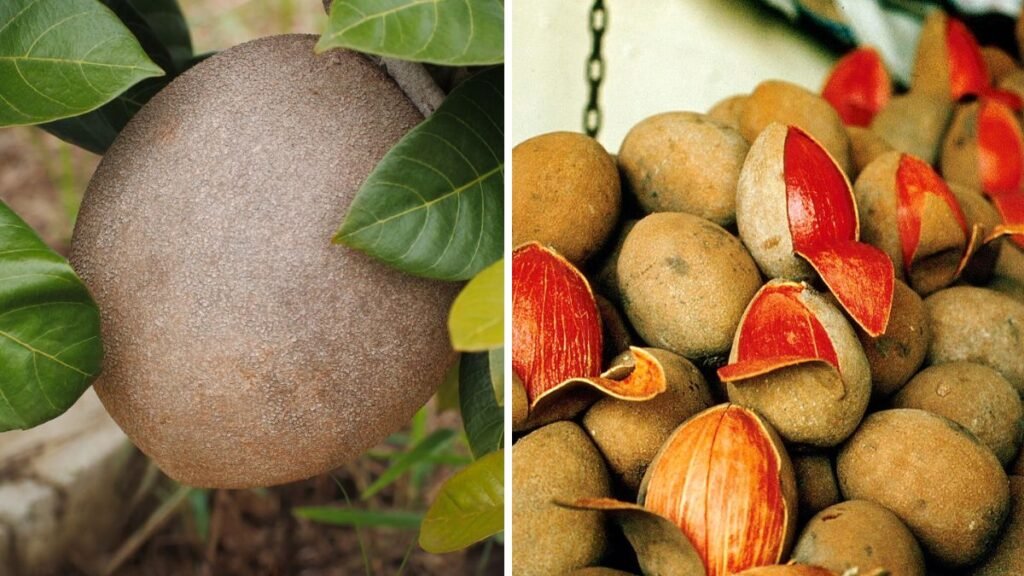
Fruits take long to mature. Development may take a year or more. Early fruits are green and hard. Gradual enlargement occurs. Proper nutrition supports development. Stress causes fruit drop. Monitoring is necessary. Patience is required.
Supporting Heavy Fruits
Mamey sapote fruits are large and heavy. Branches may need support. Use props to prevent breakage. Pruning improves strength. Balanced canopy supports weight. Prevent overcrowding of fruits. Structural care prevents damage. Tree health improves.
Pest and Disease Control
Mamey sapote is relatively hardy. Fruit flies may attack fruits. Use organic traps if needed. Neem oil controls pests. Proper sanitation reduces disease. Remove fallen fruits promptly. Healthy trees resist pests. Regular inspection helps.
Pruning Mature Trees
Pruning controls tree size. Remove dead and crossing branches. Improve airflow and sunlight. Avoid heavy pruning during fruiting. Annual pruning maintains shape. Proper pruning improves yield. Healthy structure supports fruiting. Timing is important.
Harvesting Mamey Sapote Fruits
Fruits are harvested when mature but firm. Skin color darkens slightly. Fruits soften after harvest. Do not pull forcefully. Use pruning shears. Proper timing improves flavor. Handle fruits gently. Fresh mamey tastes best.
Post-Harvest Handling
Allow fruits to ripen indoors. Store at room temperature. Avoid refrigeration before ripening. Fully ripe fruits are soft. Use fruits quickly after ripening. Proper handling preserves flavor. Fresh use is recommended. Quality matters.
Seasonal Care for Mamey Sapote
Increase watering in summer. Mulch during dry seasons. Reduce feeding in winter. Protect young trees from cold. Seasonal care reduces stress. Adjust maintenance routines. Observation guides care. Seasonal awareness improves longevity.
Growing Mamey Sapote in Home Gardens
Mamey sapote suits large gardens. Trees need ample space. Fruits are highly nutritious. Homegrown fruits are chemical-free. Trees add tropical beauty. Long-term investment pays off. Gardening brings satisfaction. Proper planning is essential.
Table: Mamey Sapote Fruiting Guide
| Aspect | Requirement |
|---|---|
| Climate | Tropical and warm |
| Soil | Deep well-drained soil |
| Sunlight | Full sunlight |
| Fruit development | Twelve to eighteen months |
| Tree lifespan | Several decades |
Benefits of Growing Mamey Sapote
Fruits are rich in vitamins. Trees provide shade. Homegrown produce is healthy. Gardening improves sustainability. Long fruiting life ensures yield. Tropical fruits diversify gardens. Economic value is high. Satisfaction is immense.
Long-Term Maintenance Tips
Maintain soil fertility. Prune annually. Monitor pests. Water consistently. Protect from extreme weather. Support heavy branches. Healthy trees fruit better. Consistent care ensures success.
Conclusion
Mamey sapote is a rewarding tropical fruit tree. Understanding fruit-stage care improves yield and quality. Proper soil, water, and nutrition are essential. Though growth is slow, results are excellent. Home gardeners can succeed with patience. The fruits are worth the wait. Start growing mamey sapote confidently.