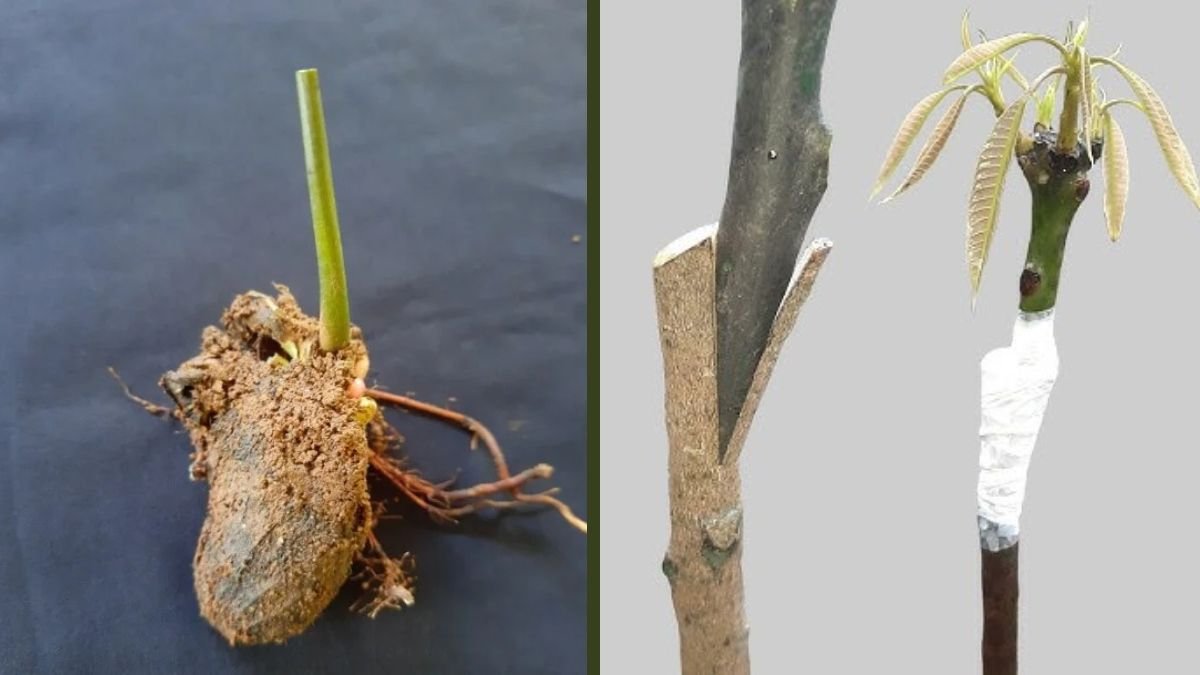
Introduction to Mango V Grafting
Mango V grafting is considered one of the easiest grafting techniques for beginners. It involves making a V-shaped cut on the rootstock and inserting a matching scion. This method ensures strong cambium contact and quick healing. It is widely practiced in nurseries due to its simplicity. Mango V grafting is ideal for propagating elite varieties. It requires less technical skill than other methods. With basic tools and care, high success rates can be achieved. This article explains the complete process in detail.
Understanding the V Grafting Method
In V grafting, the rootstock is cut in a V shape. The scion is trimmed to match the cut perfectly. This allows firm fitting and stability. The technique ensures better alignment than flat cuts. It is especially useful for young rootstocks. V grafting reduces movement of scion. This promotes faster union. It is suitable for many mango varieties. This method is beginner-friendly.
Best Time for Mango V Grafting
Spring and monsoon seasons are best for V grafting. Active sap flow supports healing. Avoid extreme temperatures. Moderate humidity improves success. In India, February to August is ideal. Grafting during rainfall requires protection. Early morning grafting is recommended. Proper timing reduces stress. Seasonal awareness improves results.
Rootstock Preparation
Select healthy rootstock with pencil thickness. Remove leaves from grafting area. Water the plant one day before grafting. Make clean and precise cuts. Rootstock should be disease-free. Avoid stressed plants. Proper preparation ensures success. Rootstock health determines growth.
Scion Selection for V Grafting
Choose scion from productive mango tree. Semi-hardwood shoots are ideal. Scion length should be ten centimeters. Buds should be dormant. Avoid flowering shoots. Trim leaves carefully. Use fresh scion for best results. Scion quality affects fruiting.
Required Materials for V Grafting
Sharp grafting knife is essential. Grafting tape or polythene strips are used. Fungicide solution prevents infection. Clean cloths help sanitation. Labels are useful for identification. Shade net protects grafts. Simple tools make the process easy. Cleanliness is crucial.
Step-by-Step Mango V Grafting Process
Make a V-shaped cut on the rootstock. Prepare the scion to match the cut. Insert the scion firmly into rootstock. Ensure cambium contact on both sides. Tie securely with tape. Cover graft if needed. Place plant in shade. Water lightly. Monitor regularly.
Importance of Firm Tying
Firm tying prevents movement. It maintains cambium contact. Loose tying causes failure. Avoid overtight tying. Use flexible tape. Remove tape after healing. Proper tying ensures success. It supports healing process.
Aftercare of V Grafted Plants
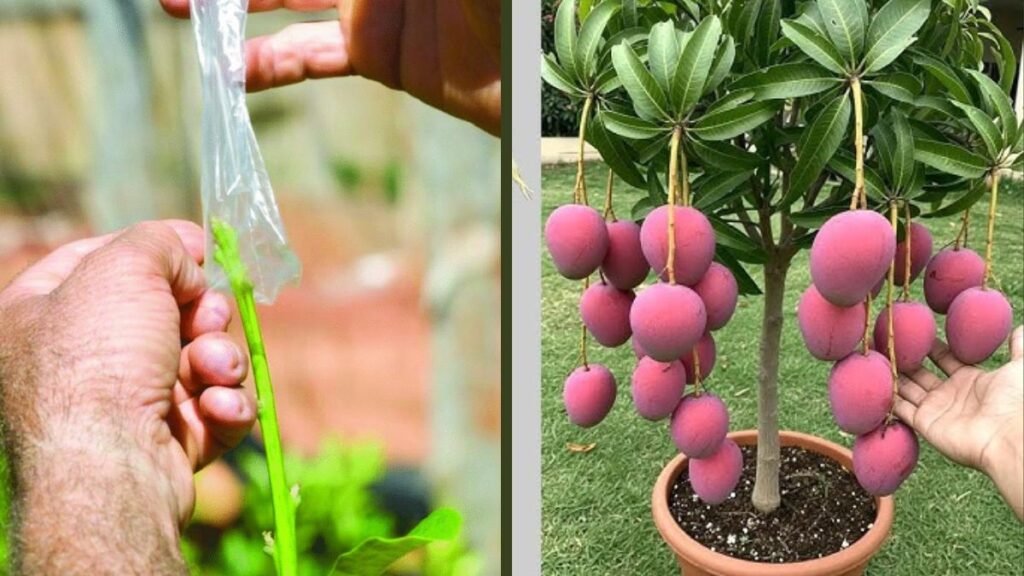
Keep plants in partial shade. Avoid direct sunlight initially. Water moderately. Remove rootstock shoots. Observe scion growth. Gradually expose to sun. Apply fungicide if required. Proper aftercare ensures survival.
Common Errors in V Grafting
Using dull blades damages tissues. Poor alignment causes failure. Overwatering leads to rot. Using old scion reduces success. Ignoring hygiene causes infection. Grafting in wrong season fails. Avoid these errors. Practice improves skill.
Advantages of Mango V Grafting
Easy for beginners. High success rate. Faster healing. Requires less skill. Strong graft union. Suitable for nurseries. Saves time and effort. Produces uniform plants.
Mango V Grafting Comparison Table
| Feature | V Grafting |
|---|---|
| Difficulty Level | Easy |
| Success Rate | Eighty to ninety percent |
| Healing Time | Two to three weeks |
| Ideal Rootstock Age | Six to twelve months |
| Skill Requirement | Beginner friendly |
Growth After Successful V Grafting
Buds sprout within two weeks. Leaves appear quickly. Growth becomes vigorous. Structural strength improves. Flowering begins early. Fruit quality remains true. Proper care enhances growth. Regular monitoring is helpful.
Nutritional Care
Apply organic compost. Avoid chemical fertilizer initially. Gradual feeding is better. Micronutrients help leaf growth. Balanced nutrition supports graft. Avoid excess nitrogen. Healthy soil ensures success. Nutrition boosts productivity.
Pest Protection
Young grafts are sensitive. Protect from insects. Neem oil is effective. Avoid chemical sprays initially. Maintain hygiene. Remove infected parts. Healthy plants resist pests. Prevention is key.
Pruning and Training
Remove extra shoots. Maintain one main stem. Prune lightly. Shape plant early. Avoid heavy cuts. Proper training improves yield. Good structure supports fruiting. Regular care is needed.
Commercial Benefits
Ideal for mass propagation. Low cost method. High survival rate. Early market returns. Uniform orchards. Nursery friendly technique. Popular among farmers. Reliable income source.
Home Gardening Use
Perfect for backyard gardeners. Simple to learn. Requires minimal tools. Small space friendly. Enjoy favorite varieties. Rewarding experience. Family gardening activity. Sustainable practice.
Environmental Impact
Reduces need for chemical propagation. Supports sustainable farming. Efficient resource use. Healthy plants require fewer inputs. Supports biodiversity. Eco-friendly method. Long-lasting trees. Green gardening solution.
Final Conclusion
Mango V grafting is the easiest and most reliable grafting technique for beginners. With minimal tools and proper care, anyone can achieve success. This method ensures healthy plants, early fruiting, and superior quality. Whether for home gardening or commercial production, V grafting is a smart choice. Start practicing today and grow your own premium mango varieties with confidence.