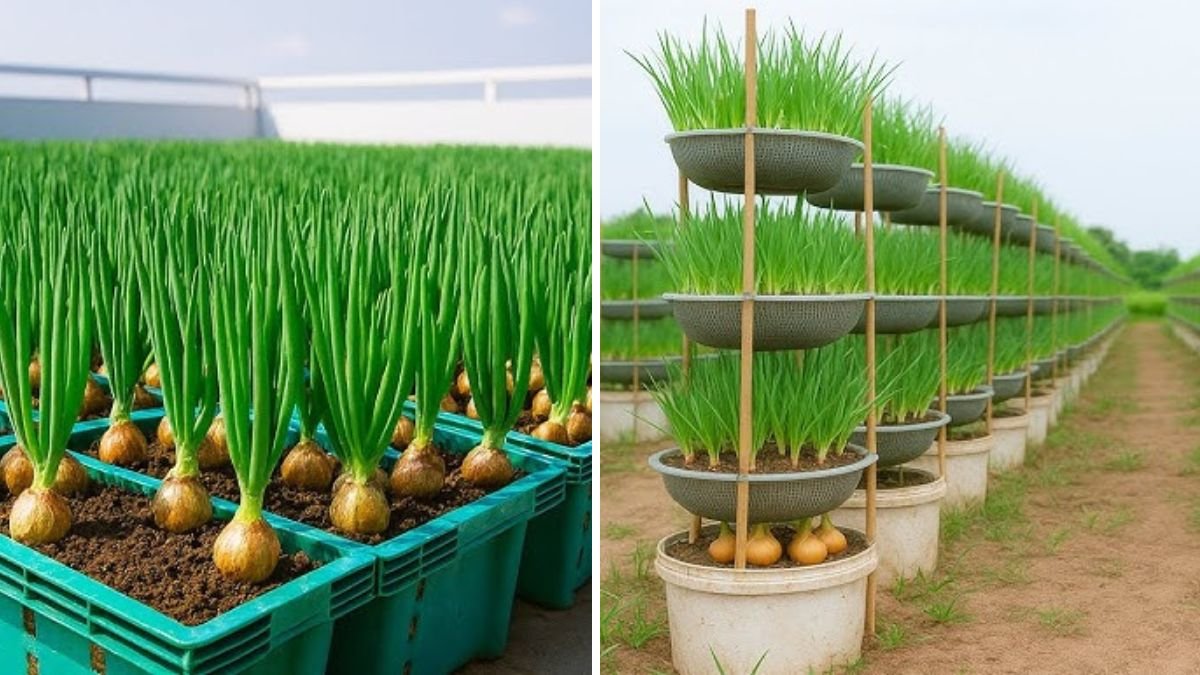
Onions are a staple in kitchens worldwide, but buying them from the market can be costly and sometimes inconvenient. What if you could grow your own onions at home, even in small spaces like balconies, terraces, or kitchen corners? With a few simple techniques and a little care, you can have a continuous supply of fresh, healthy onions without ever needing to buy them again.
This guide will walk you through creative ideas for growing onions at home, methods for maximizing space, and tips to achieve big, flavorful bulbs.
Why Grow Onions at Home?
Growing onions at home offers several advantages:
- Freshness: Harvest onions when needed for peak flavor
- Cost-effective: Save money on grocery bills
- Chemical-free: Control over pesticides and fertilizers
- Year-round supply: Grow onions in containers or small beds all year
- Educational and rewarding: Fun for families, beginners, and gardening enthusiasts
Even if you live in an apartment or have limited space, onions can thrive with creative growing ideas.
Step 1: Choosing the Right Onion Varieties
Different onion varieties are suited for different climates and growing conditions.
Recommended Types
- Red onions: Mild flavor, good for salads
- White onions: Crisp and versatile for cooking
- Green onions (spring onions): Fast-growing, great for container gardening
- Shallots: Small, aromatic, ideal for terrace gardens
Selecting the right variety ensures better growth, flavor, and yield.
Step 2: Using Onion Sets or Seeds
You can grow onions from seeds, sets, or even kitchen scraps:
Options
- Seeds: Start indoors in seed trays; ideal for controlled growth
- Onion sets: Small bulbs planted directly in soil for faster harvest
- Kitchen scraps: Regrow green onion tops or bulb bases in water or soil
Each method has its advantages, and choosing the right one depends on your time, space, and preference.
Step 3: Creative Growing Ideas for Small Spaces
Even without a garden, onions can thrive with innovative growing setups:
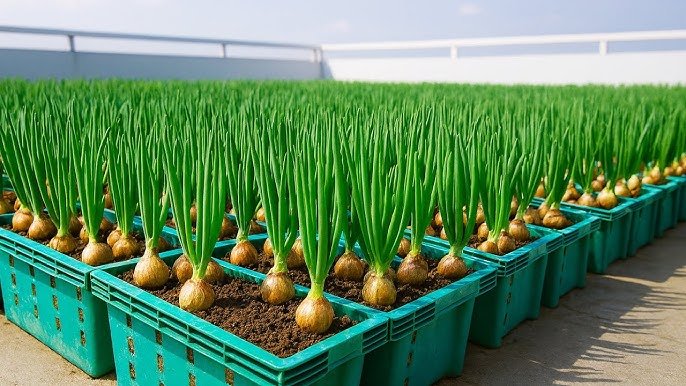
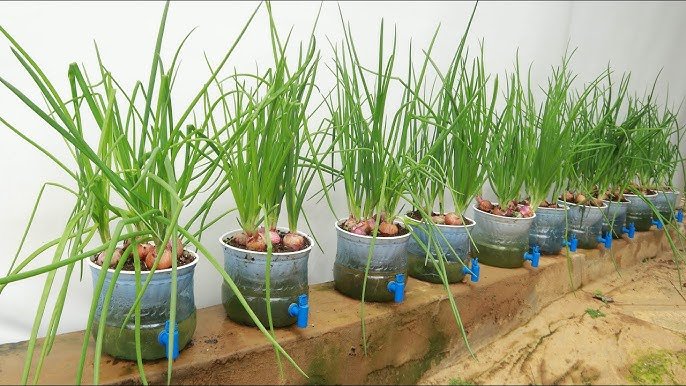
1. Container Gardening
- Use pots, buckets, or recycled containers
- Ensure drainage holes to prevent waterlogging
- Use nutrient-rich soil for healthy bulb development
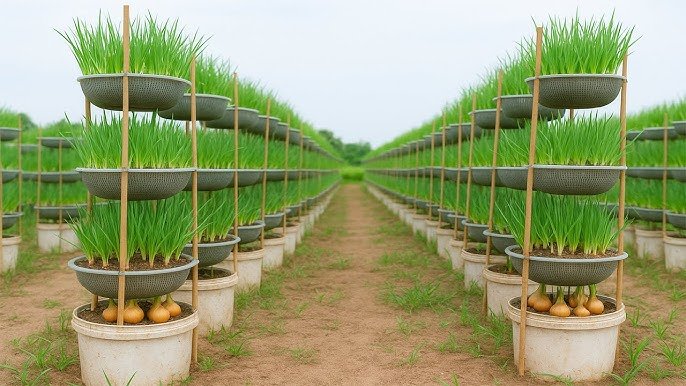
2. Vertical Gardening
- Hang onion sets in wall planters, mesh pockets, or PVC pipes
- Saves space and creates a beautiful green wall
- Easy to harvest by snipping tops when needed
3. Kitchen Counter or Window Gardening
- Place onion bases in a shallow container with water
- Regrow green onion tops within days
- Perfect for garnishes, salads, or cooking
4. Raised Beds or Garden Boxes
- Ideal for those with small backyards
- Provides good drainage and soil quality
- Allows planting in rows for maximum yield
With these ideas, anyone can grow onions regardless of space limitations.
Step 4: Soil and Nutrient Requirements
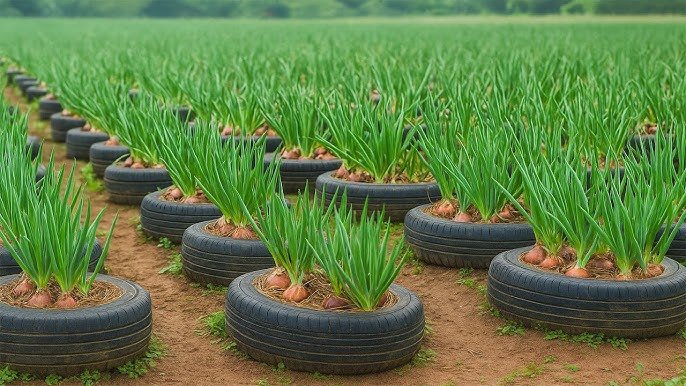
Healthy onions need well-draining, fertile soil:
Soil Guidelines
- Mix garden soil with compost or organic matter
- Add sand or cocopeat for aeration
- Maintain soil pH between 6.0 and 7.0
Nutrients
- Nitrogen for leafy growth
- Phosphorus and potassium for bulb development
- Organic fertilizers such as vermicompost or compost tea work best
Proper soil and nutrition are key to growing big, flavorful onions.
Step 5: Planting Onions
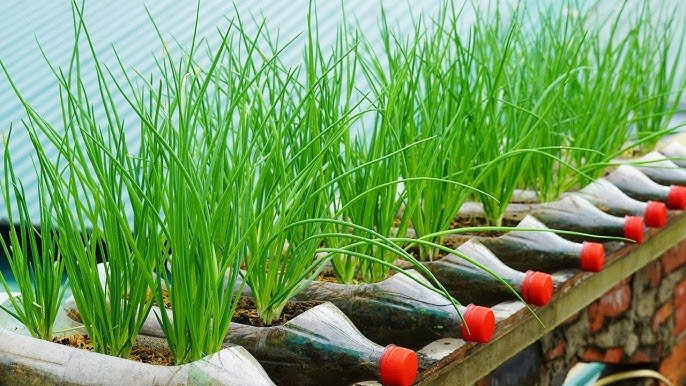
Planting correctly ensures healthy roots and strong bulbs.
Planting Tips
- Seeds: Sow ½ inch deep in rows or containers
- Sets: Plant small bulbs 1–2 inches deep, spaced 3–4 inches apart
- Kitchen scraps: Place bulb bases with roots submerged in water or soil
- Water gently after planting to settle soil around roots
Correct planting leads to faster germination and better bulb formation.
Step 6: Watering and Maintenance
Consistent care is essential for healthy onion growth.
Watering Guidelines
- Keep soil moist but not waterlogged
- Mulch to retain moisture and regulate soil temperature
- Reduce watering as bulbs mature to prevent rot
Regular maintenance also involves removing weeds and monitoring pests.
Step 7: Fertilization and Organic Care
Fertilizing ensures strong, productive onion plants:
- Apply compost or organic fertilizer every 2–3 weeks
- Avoid excessive nitrogen late in growth, which can prevent bulb formation
- Use natural pest repellents like neem oil for aphids or onion thrips
With proper nutrition, onions grow large, firm, and flavorful.
Step 8: Harvesting Onions
Knowing when and how to harvest ensures maximum flavor and storage life:
Harvesting Tips
- Green onions: Harvest once tops are 6–8 inches long
- Bulb onions: Harvest when leaves start yellowing and falling over
- Lift carefully to avoid damaging bulbs
- Dry bulbs in shade for a few days before storage
Proper harvesting ensures long-lasting, usable onions.
Step 9: Storage Tips for Homegrown Onions
- Store mature bulbs in cool, dry, and ventilated areas
- Avoid plastic bags; use mesh or breathable containers
- Green onions can be kept in water or a damp paper towel in the fridge
- Proper storage ensures onions last weeks to months, reducing grocery trips
Step 10: Advantages of Growing Onions at Home
- Continuous supply: Never run out of fresh onions
- Cost savings: Reduces grocery bills over time
- Healthier produce: Chemical-free and organic
- Space-efficient: Thrives in small containers, balconies, or vertical setups
- Educational and fun: Teaches children and beginners about gardening
- Sustainable: Reduces food waste by regrowing onion scraps
Homegrown onions offer flavor, nutrition, and convenience right from your own garden.
Final Thoughts: Say Goodbye to Store-Bought Onions
With these creative ideas, you no longer need to buy onions from the market. From balcony pots to vertical gardens, from kitchen scraps to raised beds, growing onions at home is easy, cost-effective, and rewarding.
By following these steps—choosing the right variety, planting correctly, providing proper care, and using space wisely—you can enjoy a steady supply of fresh, healthy onions all year round. Whether for cooking, garnishing, or salads, your homegrown onions will always be ready, flavorful, and satisfying.