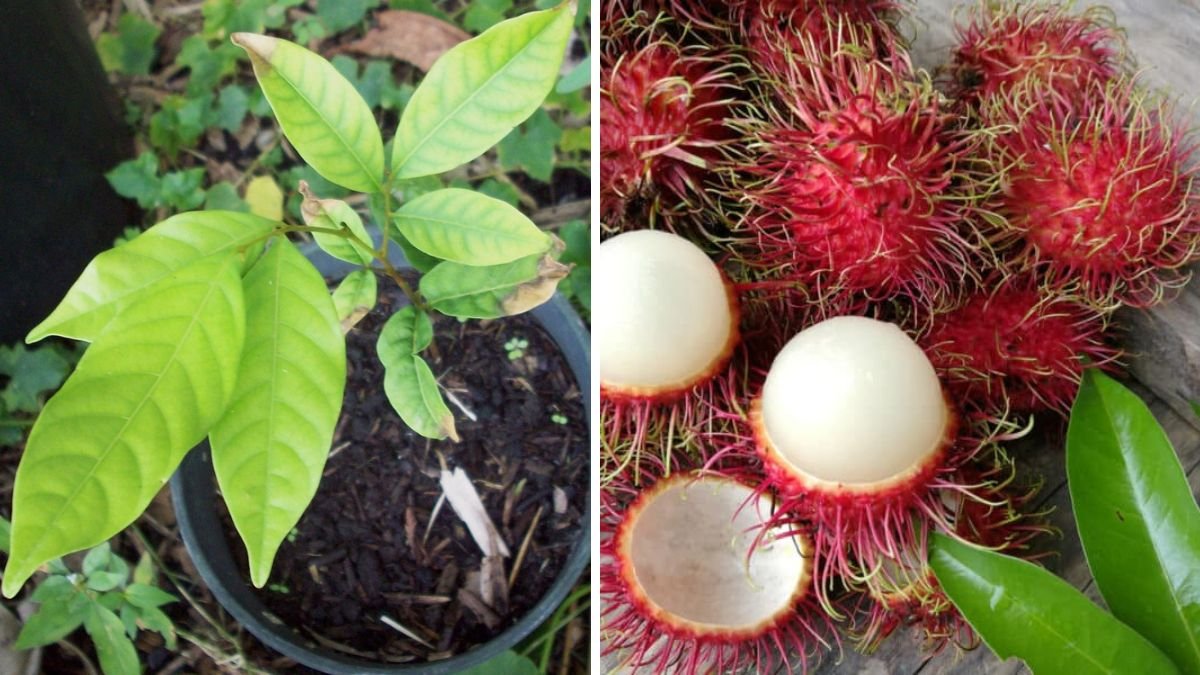
1. Introduction to Rambutan Seed Time-Lapse Growth
Watching a rambutan seed grow over time is fascinating. Time-lapse growth reveals changes that are otherwise slow. Rambutan seed development requires patience. Over ninety-five days, visible transformations occur. From seed swelling to leaf formation, every stage matters. This article explains each phase in detail. Understanding growth stages helps gardeners care properly. Time-lapse learning improves cultivation success.
2. Seed Activation Phase
After planting, seeds absorb moisture. Internal processes begin. The seed coat softens. Enzymes activate growth hormones. No visible change occurs initially. This stage is critical. Moisture and warmth trigger life. Seed activation sets the foundation for sprouting.
3. Root Emergence Stage
The first visible sign is root emergence. A small white radicle appears. Roots anchor the seed. This stage occurs within two to three weeks. Proper moisture is crucial. Roots grow downward seeking nutrients. Strong root formation ensures plant stability. Root health determines future growth.
4. Shoot Emergence Stage
After roots establish, shoots emerge. A green stem pushes upward. This stage marks true germination. Shoots are delicate. Avoid disturbance. Light exposure should be gentle. Shoots grow slowly at first. This stage requires careful monitoring.
5. Early Leaf Formation
Small leaves begin to unfold. Leaves are tender and light green. Photosynthesis starts. Growth remains slow. Proper light and humidity are important. Leaves strengthen gradually. This stage shows plant health. Leaf formation is a major milestone.
6. First Month Growth Overview
Within thirty days, seedlings stabilize. Roots expand underground. Leaves increase slightly in size. Growth remains gradual. Indoor conditions matter greatly. Consistency ensures survival. Sudden changes cause stress. First month care is critical.
7. Days Thirty to Forty-Five
Growth becomes more noticeable. Leaves darken in color. Stem thickens. Root system strengthens. Water and nutrients are absorbed efficiently. Light exposure increases. This phase builds plant strength. Balanced care supports development.
8. Second Leaf Set Development
New leaves emerge after forty-five days. Leaf pairs increase. Photosynthesis improves. Plant becomes sturdier. Nutrient demand increases. Proper feeding is important. Leaf expansion indicates healthy growth. This phase boosts plant energy.
9. Days Sixty to Seventy-Five
Growth accelerates slightly. Stem height increases. Leaves widen and harden. Root mass expands significantly. Water demand stabilizes. Indoor plants show steady progress. This phase reflects successful early care.
10. Ninety-Day Growth Milestone
By ninety days, seedlings look like young plants. Multiple leaves are present. Stem is firm. Root system is well developed. Plants can handle slight environmental changes. This stage prepares for transplantation. Growth confidence increases.
11. Importance of Time-Lapse Observation
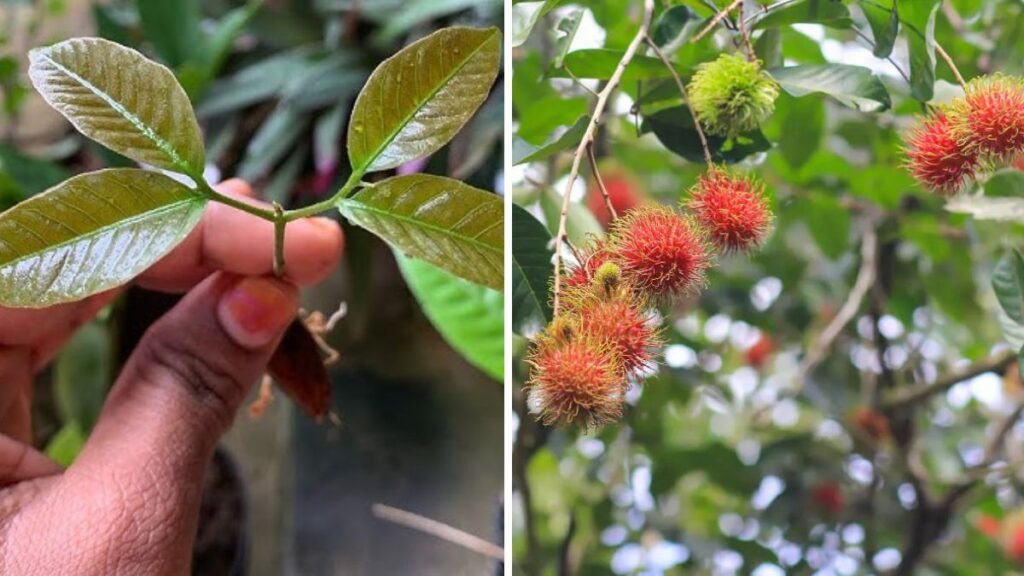
Time-lapse shows subtle changes. It helps identify problems early. Growth patterns become clear. Gardeners learn patience. Visual records improve understanding. Time-lapse encourages consistency. It builds gardening confidence.
12. Environmental Influence on Growth
Temperature affects growth speed. Light intensity changes leaf size. Humidity impacts leaf health. Soil quality influences root growth. Controlled environments show better results. Time-lapse highlights environmental effects. Adjustments improve outcomes.
13. Watering Impact Over Time
Consistent watering supports steady growth. Overwatering slows roots. Underwatering stresses seedlings. Time-lapse reveals watering mistakes. Balanced moisture maintains growth rhythm. Proper irrigation ensures healthy development.
14. Nutrient Influence During Ninety-Five Days
Nutrients impact leaf color and size. Early feeding should be mild. Excess fertilizer causes damage. Balanced nutrition enhances growth. Time-lapse shows nutrient effects clearly. Correct feeding supports steady progress.
15. Common Growth Issues Observed
Yellowing leaves indicate deficiencies. Slow growth suggests low light. Wilting indicates watering issues. Time-lapse helps detect patterns. Early correction saves plants. Observation improves care skills.
16. Indoor vs Outdoor Time-Lapse Comparison
Indoor growth is slower but stable. Outdoor growth is faster in warmth. Indoor plants are protected. Outdoor exposure strengthens plants. Time-lapse comparison shows differences. Each method has advantages.
17. Preparing for Transplant After Ninety-Five Days
Plants are ready for larger containers. Root systems can handle movement. Gradual acclimation is needed. Transplanting should be gentle. Proper timing prevents shock. Preparation ensures survival.
18. Learning from Time-Lapse Gardening
Time-lapse teaches patience. Growth takes time. Small changes matter. Observation improves skills. Gardeners become more attentive. Learning through visuals is effective. Time-lapse builds confidence.
19. Benefits of Documenting Growth
Documentation helps track progress. Problems are easier to identify. Growth milestones motivate gardeners. Records help future planning. Time-lapse inspires others. Sharing experiences builds community.
20. Conclusion
Rambutan seed growth over ninety-five days is slow but fascinating. Time-lapse reveals hidden progress. Each stage requires proper care. Observation improves success rates. Indoor growing allows control. Patience leads to healthy plants. Understanding growth stages benefits gardeners. Rambutan cultivation becomes more achievable.
📊 Rambutan Seed Growth Timeline Summary
| Stage | Duration | Observation |
|---|---|---|
| Germination | Two to three weeks | Root emergence |
| Leaf formation | One to two months | Photosynthesis begins |
| Seedling stage | Three months | Strong stem and leaves |
| Transplant ready | Around ninety-five days | Stable root system |