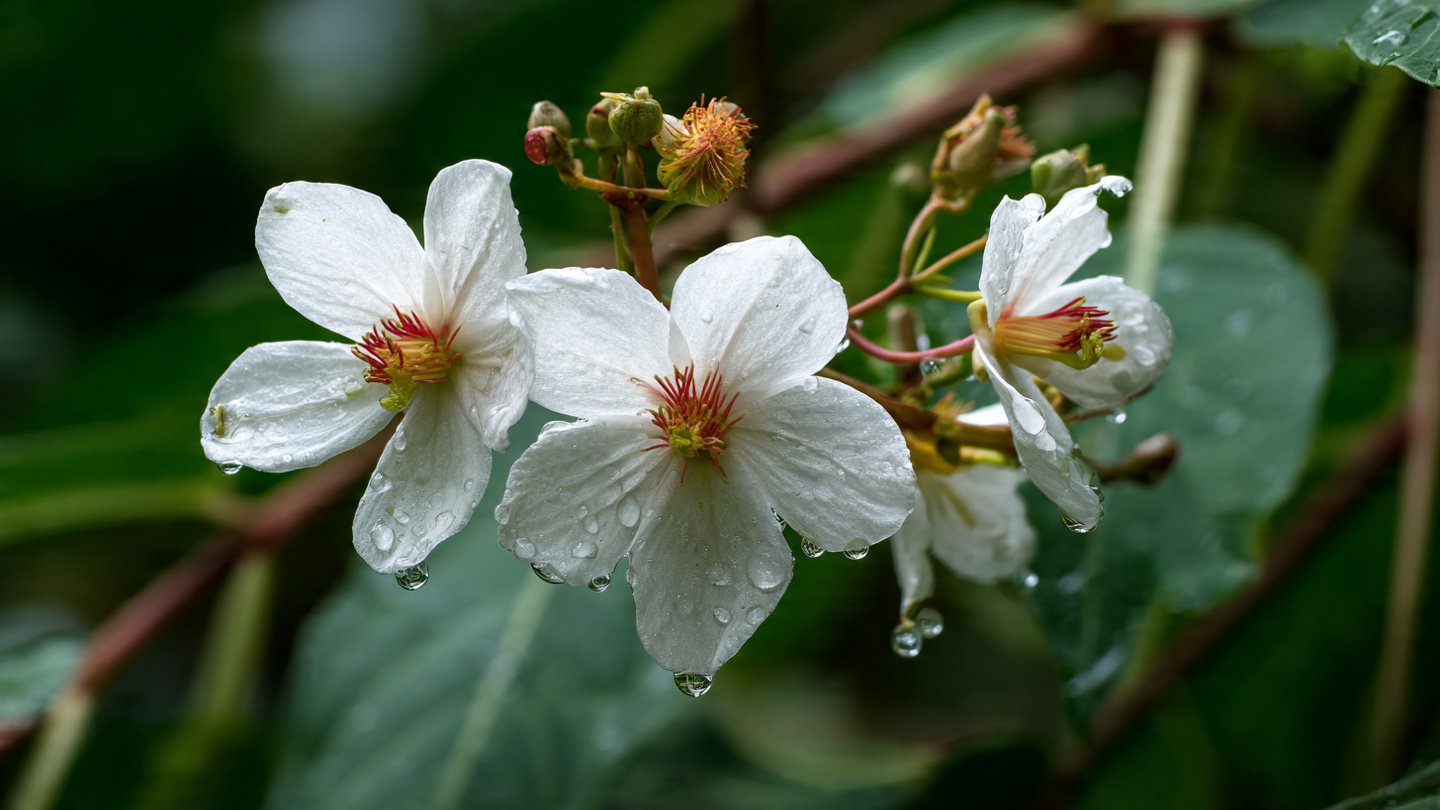
The Aparajita plant, also known as Clitoria ternatea, is a stunning flowering vine cherished for its charming white flowers, among other colors. This plant, native to tropical regions, is hailed not only for its aesthetic appeal but also for its medicinal properties. If you’re a beginner looking to add this enchanting plant to your garden, this guide provides a straightforward approach to cultivating the Aparajita, along with maintenance tips and FAQs to ease your journey.
1. Understanding the Aparajita Plant
Before diving into cultivation, it’s important to understand what the Aparajita plant is. This perennial vine can grow up to 2-3 meters long and is known for its heart-shaped leaves and beautiful flowers that bloom throughout the year, especially in warm climates. The white variant, in particular, has an elegant appearance that enhances any garden.
Unique Features
- Flowers: The white flowers are butterfly-shaped and have a mild fragrance. They bloom in clusters and can attract bees and butterflies, supporting local biodiversity.
- Uses: Besides its ornamental value, parts of the plant are used in traditional medicine, and its flowers can be used as a natural dye.
2. Choosing the Right Location
Sunlight
Aparajita thrives in bright sunlight but can also tolerate partial shade. For optimal growth and flowering, aim for at least 6-8 hours of sunlight daily.
Soil
The plant prefers well-draining, loamy soil enriched with organic matter. If your soil is heavy clay, consider mixing in compost or horticultural sand to enhance drainage.
3. Planting Aparajita
Purchase Seeds or Seedlings
You can start by sourcing seeds or seedlings from a local nursery or online suppliers. Seeds are often more economical and are a great option for beginners.
Propagation
- Seeds: Soak seeds in water for 24 hours to improve germination, then plant them about 1-2 inches deep.
- Seedlings: If you are using young plants, ensure that the roots are not overcrowded and plant them in a hole twice the size of the root ball.
Spacing
When planting multiple plants, ensure a spacing of about 18-24 inches between each to allow room for growth and air circulation.
4. Watering Requirements
Aparajita prefers moderately moist soil. Water the plant deeply once a week, ensuring that the soil dries slightly between waterings to prevent root rot. During extremely hot months, you may need to increase the frequency.
5. Fertilization
To encourage healthy growth and vibrant blooms, feed your Aparajita with a balanced liquid fertilizer every 4-6 weeks during the growing season (spring to early autumn). Organic options like compost tea or fish emulsion can work wonders.
6. Care and Maintenance
Pruning
To maintain shape and encourage more blooms, prune the Aparajita regularly. Remove dead or yellowing leaves and cut back excessive growth in late winter or early spring.
Support Structures
Being a climbing vine, Aparajita needs support to grow vertically. Install trellises, fences, or arbors for the plant to climb on. This not only helps the plant but also enhances the visual appeal of your garden.
7. Pest and Disease Management
Aparajita is relatively resistant to pests, but it can sometimes attract aphids or spider mites.
- Aphids: These small insects appear in clusters. Use insecticidal soap or neem oil to manage infestations.
- Spider Mites: Look out for tiny webs on the leaves. Increase humidity around the plant and wash the leaves with water to deter them.
8. Harvesting Flowers
The flowers of the Aparajita bloom throughout the warmer months. Harvest blooms in the early morning when they are fresh and dewy.
Note: While the flowers are edible and can be used in various dishes or teas, ensure you’re aware of any allergies or sensitivities.
9. Winter Care
In colder climates, make preparations to protect your Aparajita during winter months. If grown in pots, bring them indoors or provide a greenhouse environment. If planted in the ground, mulch around the base to insulate the roots.
10. Aesthetics and Landscaping
Given its climbing nature and beautiful flowers, the Aparajita can be integrated into various landscaping designs:
- Vertical Gardens: Use them to cover unsightly walls or fences.
- Hanging Baskets: If grown in containers, choose hanging baskets for cascading growth.
- Mixed Borders: Combine with other flowering plants for a riot of colors.
Conclusion
Cultivating the Aparajita white flowering plant is a rewarding experience that adds beauty and diversity to your garden. With minimal maintenance and a few simple steps—proper sun, water, and care—you can enjoy the elegance of this unique plant. Embrace your gardening journey and allow the Aparajita to thrive in your green space.
FAQs
Q: How long does it take for Aparajita seeds to germinate?
A: The seeds typically germinate within 2-3 weeks under suitable conditions.
Q: Can Aparajita grow in pots?
A: Yes, Aparajita can be successfully grown in pots. Ensure they are deep enough to accommodate their root system.
Q: Is Aparajita suitable for indoor growing?
A: While it prefers outdoor conditions, it can be grown indoors if provided with sufficient sunlight and support to climb.
Q: Are the flowers of Aparajita edible?
A: Yes, the flowers are edible and can be used in teas or as a natural food coloring.
Q: What is the best time to prune Aparajita?
A: The best time to prune is in late winter or early spring before the new growth begins.
Q: How do I know if my Aparajita plant is getting too much water?
A: Yellowing leaves and wilting can indicate overwatering. Ensure the soil is well-drained.
Q: Can Aparajita grow in shade?
A: While it can tolerate partial shade, it thrives best in full sunlight.
By following this guide and keeping these FAQs in mind, you can enjoy the beauty and benefits of the Aparajita plant in your own garden. Happy gardening!