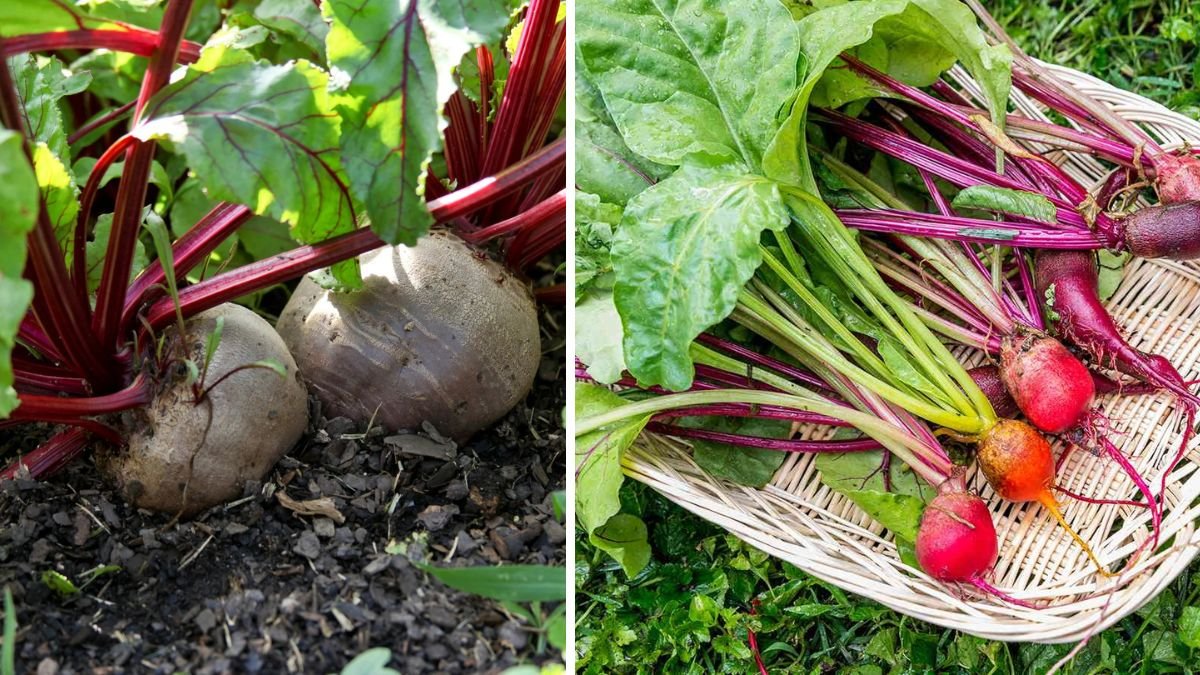
Growing your own vegetables can be immensely rewarding, both for your taste buds and your pocketbook. Beet greens are a nutrient-rich and delicious addition to countless dishes—from salads to smoothies. They’re easy to grow in trays, making them perfect for home gardens, especially for beginners or those with limited space. In this article, we’ll walk through the steps to successfully grow beet greens in trays, ensuring you have the freshest greens right from your home.
Understanding Beet Greens
Before diving into the growing process, it’s essential to know more about beet greens. They are the leafy tops of the beet plant and are often overlooked in favor of the root. However, beet greens are packed with nutrients, including vitamins A, C, and K, calcium, iron, and antioxidants. They possess a slightly earthy flavor, similar to spinach, making them versatile for various culinary applications.
Why Grow Beet Greens in Trays?
- Space Efficiency: Trays can be placed on balconies, patios, or even kitchen counters.
- Ease of Maintenance: Container gardening allows for better control over the soil and watering.
- Greater Harvest Frequency: Growing in trays can yield quicker and more frequent harvesting.
Step-by-Step Guide to Growing Beet Greens in Trays
Step 1: Gather Supplies
To get started, you’ll need the following supplies:
- Trays: Any shallow container with drainage holes will work. Commercial seed-starting trays, plastic containers, or recycled food trays are excellent options.
- Soil: A nutrient-rich potting mix or seed-starting soil blend.
- Seeds: Look for beet varieties specifically marketed for greens, such as “Red Ace” or “Chioggia.”
- Watering can or spray bottle: For gentle watering.
- Light: Access to a sunny windowsill or grow lights if growing indoors.
Step 2: Prepare the Trays
- Clean the Trays: Ensure your trays are clean to prevent contamination. Scrub them with warm soapy water.
- Add Soil: Fill each tray with potting mix, leaving about half an inch from the top. Level the soil, making it smooth yet firm.
Step 3: Sow the Seeds
- Spacing: Sprinkle the beet seeds evenly over the soil surface. You don’t need to space them out perfectly; they can grow closely together since you will be harvesting them young.
- Covering Seeds: Lightly cover the seeds with about ¼ inch of soil. Gently press down to ensure good seed-to-soil contact.
Step 4: Watering
- Initial Watering: Use a spray bottle or watering can to moisten the soil evenly without displacing the seeds.
- Ongoing Watering: Keep the soil consistently moist but not soggy. Water when the surface feels dry, usually every couple of days.
Step 5: Provide Adequate Light
Beet greens require about 6-8 hours of sunlight daily. If growing indoors, place the trays in a sunny window or use grow lights positioned 2-4 inches above the plants. Make sure to rotate the trays if they begin to lean towards the light.
Step 6: Monitor Growth
- Thinning: Once your seedlings are 2-3 inches tall, thin them out, leaving the healthiest plants spaced about 2 inches apart. You can snip the extras at the base to avoid disturbing the remaining roots.
- Nutrient Needs: After a few weeks, you may choose to fertilize with a balanced liquid fertilizer. Follow the instructions on the label to avoid over-fertilization.
Step 7: Harvesting
- Timing: Beet greens are typically ready to harvest in about 30-45 days, when they reach 6-8 inches in height.
- Method: Use scissors or garden shears to snip off the leaves, leaving the base intact. This encourages new growth, allowing for a continuous harvest.
Step 8: Enjoy Your Harvest
Beet greens can be enjoyed raw in salads, blended into smoothies, sautéed with garlic, or incorporated into omelets. The versatility of these greens means you can experiment with different recipes.
Tips for Success
- Preventing Pests and Diseases: Keep an eye out for common pests like aphids. If you notice any bugs, rinse them off with water or use an insecticidal soap.
- Temperature Control: Beet greens thrive in temperatures between 60-70°F. If your home is particularly warm, consider using a fan for ventilation.
- Proper Drainage: Ensure there are sufficient drainage holes in your trays to prevent waterlogging, which can lead to root rot.
FAQs
1. How often should I water beet greens?
Water your beet greens when the top inch of soil feels dry, usually every couple of days. Avoid over-watering to prevent sogginess.
2. Can I grow beet greens indoors?
Yes, beet greens can be successfully grown indoors as long as they receive adequate sunlight or artificial light.
3. What is the best time to plant beet greens?
You can plant beet greens year-round, but the ideal time is in the spring or fall when temperatures are mild.
4. How do I store harvested beet greens?
Store the harvested beet greens in a perforated plastic bag in the refrigerator, where they can last up to a week.
5. Are beet greens nutritious?
Absolutely! Beet greens are rich in vitamins A, C, and K, as well as minerals like calcium and iron.
6. How can I use beet greens in my cooking?
Beet greens can be used in salads, sautéed as a side dish, blended into smoothies, or added to soups and stews.
7. Can I regrow beet greens after harvesting?
Yes! If you leave some of the base and roots intact when harvesting, you may be able to encourage new growth.
8. Are there specific soil types best for growing beet greens?
A well-draining, nutrient-rich soil mix is ideal. Avoid heavy soils that may retain too much moisture.
Conclusion
Growing beet greens in trays is a satisfying and convenient way to enjoy homegrown produce. With minimal effort, you can reap the rewards of fresh, nutrient-dense greens that enhance your culinary creations. Follow these simple steps, and you’ll be well on your way to enjoying the crisp, earthy flavors of beet greens right from your home garden. Happy gardening!