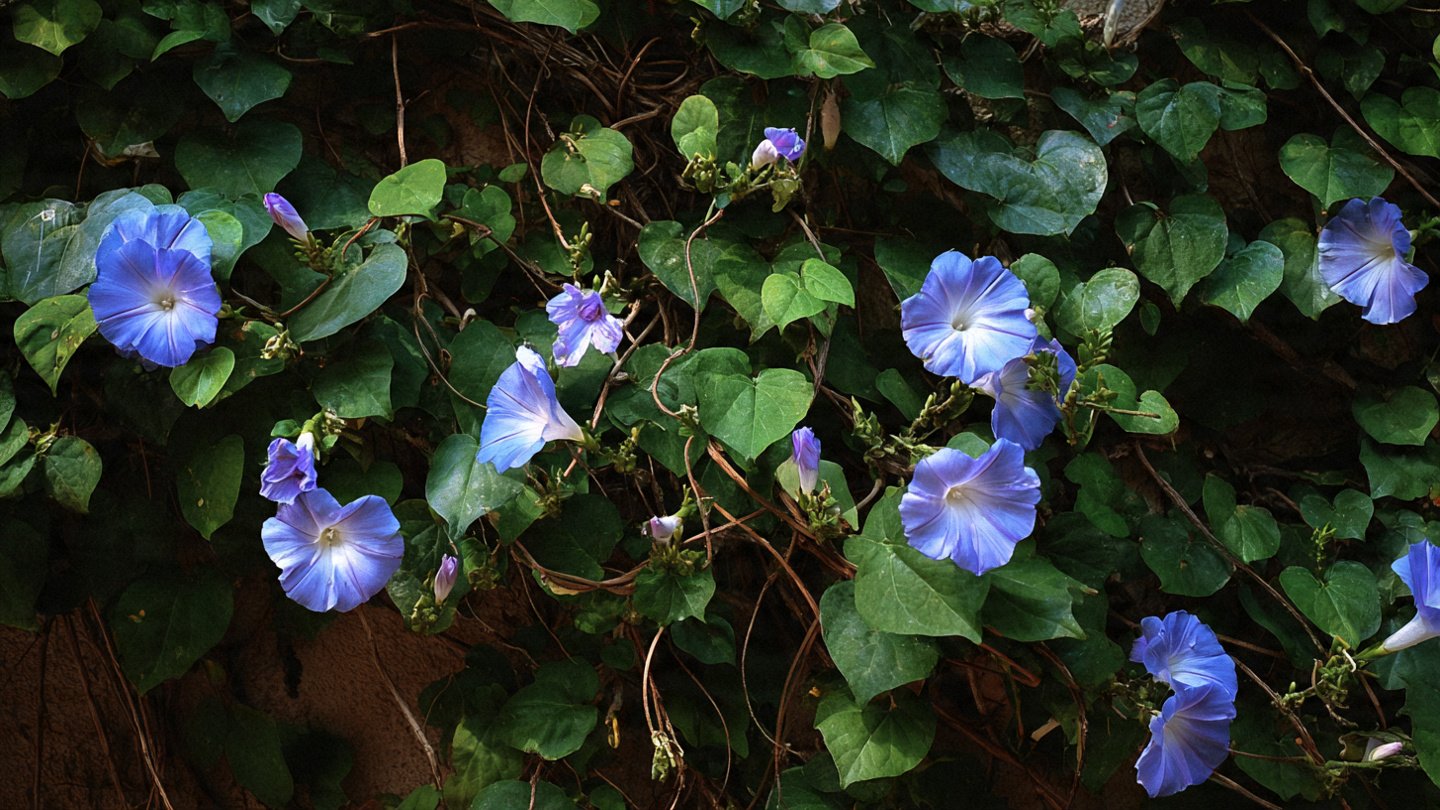
Morning glory vines, known for their stunning colors and vigorous growth, are a popular choice among gardeners looking to add a touch of beauty to their outdoor spaces. These fast-growing climbers can cover arbors, trellises, and fences, providing a lush and vibrant display. In this article, we’ll explore the essential steps to cultivate healthy and flourishing morning glory vines, ensuring they thrive in your garden.
1. Understanding Morning Glory Vines
Types of Morning Glory
Morning glory refers to a group of flowering plants in the family Convolvulaceae, particularly the genus Ipomoea. Common varieties include:
- Ipomoea purpurea: Purple morning glory, known for its heart-shaped leaves and trumpet-shaped blooms.
- Ipomoea nil: Japanese morning glory, noted for its spiral-shaped flowers and compact growth.
- Ipomoea batatas: Sweet potato vine, which also produces beautiful morning glory-like flowers.
Growth Habits
Morning glories are annual or perennial vines that can grow up to 10 feet or more in a single growing season. They have twining stems that latch onto nearby structures, making them ideal for vertical gardening.
2. Choosing the Right Location
Sunlight Requirements
Morning glories thrive in full sunlight, requiring at least 6–8 hours of bright sun each day. Locations like fences, trellises, or arbors that receive direct sunlight are ideal.
Soil Conditions
These vines prefer well-draining soil rich in organic matter. Sandy loam is optimal, but morning glories are adaptable and can grow in various soil types as long as they have adequate drainage.
Space Consideration
Ensure you have enough space for morning glory vines to spread. They can grow quite large and tend to climb over nearby plants if not properly managed.
3. Preparing the Soil
Soil Testing
Before planting, it’s beneficial to test your soil to understand its pH and nutrient levels. Morning glories prefer slightly acidic to neutral soil (pH 6.0–7.0) but can tolerate a range.
Amending the Soil
To create an ideal growing medium:
- Add compost or well-rotted manure to enrich the soil.
- Incorporate sand or perlite to improve drainage if your soil retains too much moisture.
Tilling
Till the soil to a depth of about 12 inches, breaking up any large clumps and allowing for proper aeration.
4. Planting Morning Glory
Seed Selection
Choose high-quality seeds from reputable sources. Look for varieties suited for your growing zone and aesthetic preferences.
Sowing Seeds
You can sow morning glory seeds directly in the garden or start indoors:
- Direct Sowing: In late spring, plant seeds about 1 inch deep, spaced 6–12 inches apart. Cover lightly with soil and water gently.
- Indoor Starting: Sow seeds indoors 4–6 weeks before the last frost date. Use seed trays filled with seed-starting mix, and transplant them outdoors once the danger of frost has passed.
Pre-Soaking Seeds
To enhance germination, soak seeds in water for 24 hours before planting. This softens the outer shell and can help speed up the germination process.
5. Watering and Fertilizing
Watering
Morning glories require consistent moisture, especially during germination. Water deeply once the top inch of soil feels dry, ensuring the water reaches the root zone.
Fertilizing
These plants do well without excessive fertilization, but a balanced, slow-release fertilizer can promote growth. Apply a balanced fertilizer (10-10-10) in early spring and again mid-season to support vigorous foliage.
6. Supporting Growth
Providing Support
Due to their climbing nature, morning glory vines need support. Here’s how to provide adequate support:
- Install trellises, arbors, or garden fences before planting.
- Use strings or wire to give the plants something to cling to.
Managing Growth
Monitor the vines regularly, guiding them to climb towards their support structure as they grow. Prune any wayward stems to encourage bushier growth and to maintain the desired shape and size.
7. Pest and Disease Management
Common Pests
Morning glories are relatively pest-resistant, but keep an eye out for:
- Aphids: Small, green insects that suck sap. Neem oil can help control their populations.
- Spider mites: Can cause leaf discoloration. Increase humidity around plants or use insecticidal soap.
Diseases
Maintain proper spacing and air circulation to prevent fungal diseases. Common issues include:
- Powdery mildew: Prevent by ensuring good airflow and avoiding overhead watering.
- Root rot: Avoid overwatering and improve soil drainage.
8. Encouraging Blooms
Light Conditions
Ensure that your morning glories receive plenty of sunlight, as this encourages prolific blooming.
Deadheading
Regularly remove spent flowers to promote continuous blooming. This practice diverts energy from seed production back into making more blooms.
9. Preparing for Winter
Annual Varieties
In regions with frost, morning glories may die back in winter. You can collect seeds from spent flowers to reseed in the following spring.
Perennial Varieties
If you’re growing perennial morning glories, such as Ipomoea hederacea, cut back the foliage to ground level after the first frost to protect the roots.
10. Common Challenges
Slow Growth
If your morning glories are slow to grow, check the soil drainage and light conditions. Fertilize if needed and ensure they have adequate support.
Wilting Leaves
Wilting could indicate underwatering or overwatering. Evaluate your watering schedule and soil moisture levels.
Conclusion
Morning glory vines are a delightful addition to gardens, providing vibrant colors and lush greenery. By following these simple steps—choosing the right location, preparing the soil, planting, watering, supporting growth, and managing pests—you can ensure your morning glories thrive. With proper care, you’ll enjoy their beauty throughout the growing season, enhancing your outdoor space.
FAQs
1. How long does it take for morning glories to bloom?
Morning glories typically bloom within 60 to 90 days after sowing seeds, depending on the variety and growing conditions.
2. Are morning glories annual or perennial?
Most morning glory varieties are annuals, but some are perennials that survive in warmer climates.
3. Can you eat morning glory flowers?
While some parts of the morning glory plant are used in traditional medicine, the flowers are not typically eaten. Certain species can be toxic, so it’s essential to research your variety thoroughly.
4. How do I control invasive morning glories?
If morning glories become invasive, manage them by regularly cutting back the vines and removing seeds before they mature.
5. What should I do if my morning glory vines aren’t climbing?
If your vines are not climbing effectively, check for proper support, ensure they are getting enough sunlight, and gently guide them to climb as they grow.
With these guidelines in mind, you can cultivate a thriving display of morning glory vines, offering beauty and enchantment to your garden space. Happy gardening!