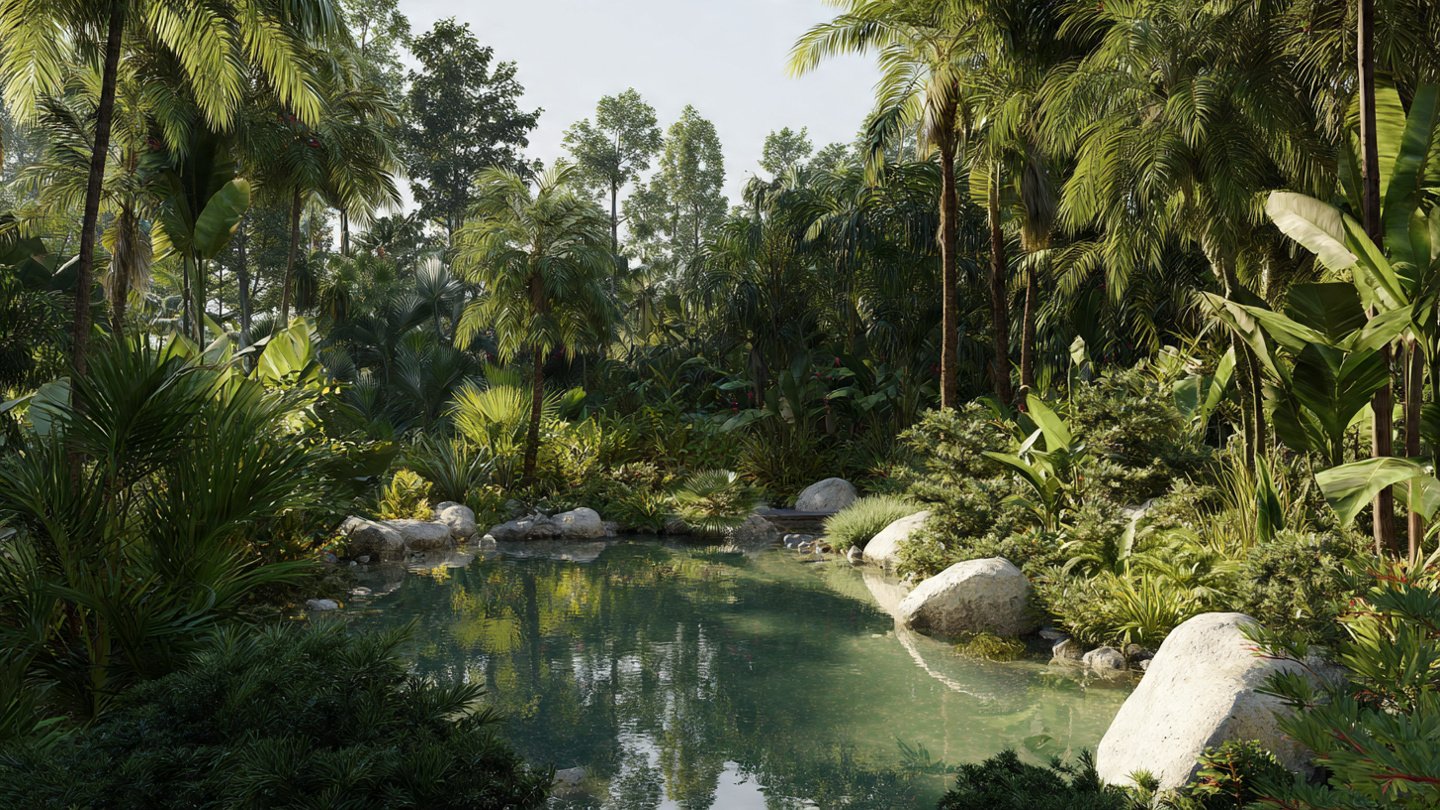
Creating a lush palm-themed landscape in your home garden can evoke a tropical paradise right outside your door. Whether you live in a warm climate or a cooler region where you’ll have to bring in some plants during the winter, a palm-themed landscape can bring a vibrant look to your outdoor space. Here’s how to bring this vision to life in a few simple steps.
1. Choose the Right Palms for Your Climate
Before diving into the planning phase, it’s essential to consider your local climate. Not all palms thrive in every region, so selecting the right varieties is crucial.
Warm Climates
If you live in a warm climate, you have a wide range of options, including:
- Areca Palm (Dypsis lutescens): Known for its feathery fronds and fast growth, this palm adds a tropical feel.
- Coconut Palm (Cocos nucifera): A classic choice for a tropical landscape, perfect if you have ample space.
- Queen Palm (Syagrus romanzoffiana): This palm adapts well to various soil types and is relatively low-maintenance.
Cool Climates
In cooler climates, consider:
- Sago Palm (Cycas revoluta): This isn’t a true palm but offers a similar look and is quite hardy.
- Windmill Palm (Trachycarpus fortunei): Known for its ability to withstand cold temperatures, making it ideal for cooler regions.
Selecting Multiple Varieties
Mixing different types of palms will add variety and texture to your landscape. Make sure to choose species that complement each other in terms of height, color, and frond shape.
2. Plan Your Layout
Next, it’s time to plan out your landscape.
Create Zones
Divide your landscape into zones based on sunlight exposure, moisture levels, and the specific needs of each palm species. For example, larger palms should be placed in areas where they won’t overshadow smaller palms.
Utilize the “Triangle” Technique
To create visual interest, use the triangle planting technique: irregularly spaced clusters of three types of plants create a more natural look. Vary the heights and types of palms to create a dynamic effect.
Paths and Focal Points
Consider integrating paths made from stones or wood chips to guide visitors through your tropical oasis. Also, think about incorporating a focal point—perhaps a striking statue or a water feature that enhances the palm theme.
3. Incorporate Tropical Plants
To complement the palm trees, add other tropical plants that can thrive alongside them.
Companion Plants
- Bird of Paradise (Strelitzia reginae): With its stunning flowers, it adds bursts of color while thriving in similar conditions.
- Hibiscus: These flowering shrubs come in various vibrant colors and thrive in warm, sunny spots.
- Ferns and Calatheas: Dark green foliage contrasts beautifully with the bright palm fronds.
Layering Techniques
Use layering techniques by planting shorter flowers in front and taller palms behind. This not only provides depth but also maximizes the aesthetic appeal of the landscape.
4. Choose Appropriate Hardscaping Materials
Hardscaping elements, such as pathways and borders, are pivotal in a lush palm-themed landscape.
Materials Selection
- Natural Stone: Use local stone for pathways and borders that blend seamlessly into the landscape.
- Wood Decking: A wooden deck can provide a warm, inviting area to relax among your palms.
- Boulders or Rock Features: Strategically placed boulders can enhance the tropical feel while breaking up flat spaces.
Consider Lighting
Incorporate soft lighting to highlight your palm trees and paths at night. Solar lights along pathways or uplighting for palms will create a magical ambiance.
5. Water Features
Water features can enhance the tropical ambiance significantly.
Fountains and Ponds
- Small Fountains: A small fountain can add the serene sound of flowing water, which complements the tropical theme.
- Ponds: If space allows, consider a small pond with aquatic plants like water lilies or lotus flowers.
Maintenance
Ensure that your water features have proper filtration systems and are easy to maintain to prevent stagnation or algae growth.
6. Mulching
Mulching not only aids in moisture retention but also helps keep weeds at bay.
Types of Mulch
- Cocoa Hull Mulch: It gives a rich color and pleasant scent and is natural and organic.
- Bark Mulch: It decomposes slowly and improves soil quality as it breaks down.
Application
Apply a 2-3 inch layer of mulch around your palms and other tropical plants, being careful not to pile it against the trunk.
7. Irrigation and Maintenance
Setting up an appropriate irrigation system ensures your palms receive the right amount of water.
Drip Irrigation
Consider installing a drip irrigation system that provides a steady water supply while minimizing wastage. This is especially crucial for palm trees, which do not tolerate overly wet soils.
Routine Maintenance
- Fertilization: Use a slow-release fertilizer formulated for palms once or twice a year to promote healthy growth.
- Pruning: Regularly trim any dead or brown fronds to keep your palms looking their best.
8. Seasonal Care
Your palms will need different levels of care depending on the season.
Spring
- Fertilization: Apply fertilizer as new growth begins.
- Check for Pests: Early detection of any pest issues can prevent larger problems.
Summer
- Water: Increase watering frequency during hot months as palms can dry out quickly.
Fall
- Preparation for Dormancy: If you live in cooler climates, begin preparing palms for winter by ensuring they are well-watered before temperatures drop.
Winter
- Protection: If necessary, wrap smaller palm trees or bring potted varieties inside. Use mulch to protect roots from frost.
9. Adding Accessories
Accessories can further enhance your palm-themed landscape.
Outdoor Furniture
Choose comfortable, tropical-themed outdoor furniture to enjoy your landscape. Consider wicker or bamboo for a natural look.
Decorative Accessories
- Tropical Statues or Tiki Torches: Add fun, thematic accessories to create a more immersive atmosphere.
- Planters: Use colorful ceramic planters for tropical flowers or succulents.
10. Enjoying Your Tropical Paradise
Once your lush palm-themed landscape is complete, take the time to enjoy it!
Create Spaces for Relaxation
Set up lounge chairs or a hammock under the palms for a tropical retreat right in your backyard.
Host Tropical Themed Parties
Invite friends and family for a tropical-themed party, complete with fruity cocktails and light, colorful decorations.
Conclusion
Transforming your home landscape into a lush palm-themed oasis is not only rewarding but also a great way to express your creativity. By carefully selecting palms, incorporating tropical plants, and paying attention to design elements, you can create an inviting escape that combines beauty and serenity.
FAQs
Q: What type of soil is best for palm trees?
A: Most palms prefer well-draining soil that retains some moisture but doesn’t allow for waterlogging. A mix of sand, peat, and loamy soil works well.
Q: How much sunlight do palm trees need?
A: Most palm trees prefer full sun; however, some species can tolerate partial shade. Always check the specific requirements for each palm variety.
Q: When should I water my palms?
A: Water your palms when the top inch of soil feels dry. Overwatering can lead to root rot, so ensure the soil drains well.
Q: Can I grow palms in pots?
A: Yes, many palms can be successfully grown in pots. Ensure they have enough space to grow, and use a potting mix suited for tropical plants.
Q: How do I protect my palms in winter?
A: For colder climates, wrap smaller palm trees with burlap, mulching around the base to protect roots. Consider bringing potted palms indoors during extreme temperatures.
By following these simple steps, you can create a stunning palm-themed landscape that provides the tranquil experience of a tropical getaway right in your backyard!