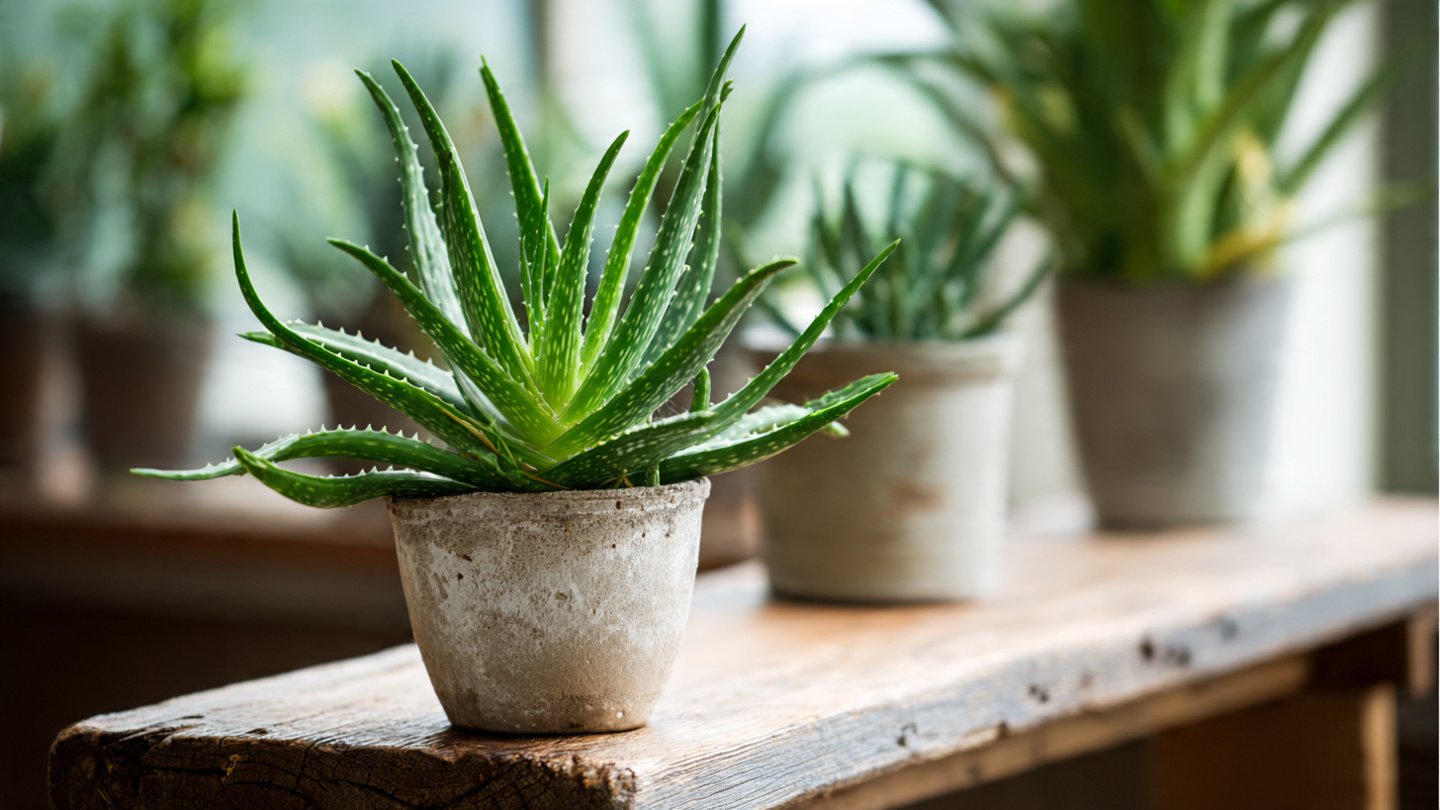
Aloe vera is a beloved houseplant known not only for its striking appearance but also for its numerous health benefits. This succulent has become a staple in many homes due to its easy care requirements and the versatility of its gel, which is used in various beauty and wellness products. One of the best aspects of growing aloe vera is its ability to produce offsets, or “pups,” which can be easily separated to cultivate new plants. In this article, we’ll walk you through the simple steps to separate these offsets, ensuring you can share the beauty of aloe vera while promoting its health and vitality.
Understanding Aloe Vera Offsets
Offsets are small plants that grow from the base of the mother aloe vera plant. They can be left to grow alongside the parent plant, but separating them allows you to promote new growth and create additional plants for gifting or decorating. This process is quite simple and requires minimal tools, making it an excellent project for both novice and experienced plant lovers.
When is the Right Time to Separate Aloe Vera Offsets?
Timing plays a crucial role in successfully separating aloe vera offsets. The best time to do so is during the growing season, which typically occurs in spring and summer. During these months, aloe vera is most active, allowing the offsets to establish roots more effectively after being separated. Additionally, aim for the offsets that are at least a few inches tall and have developed their own root systems.
Tools and Materials Needed
Before you begin separating your aloe vera offsets, gather the following tools and materials:
- Gardening gloves: To protect your hands while handling the plant.
- Sharp knife or pruning shears: Ensure they are clean to prevent infection.
- Small pots: For repotting the separated offsets.
- Cactus or succulent potting mix: Provides the necessary drainage for the new plants.
- Watering can or spray bottle: For gently watering the offsets after repotting.
Steps to Separate Aloe Vera Offsets
Step 1: Prepare Your Workspace
Select a clean and well-lit area, preferably outside or in a well-ventilated space. Lay down newspaper or a plastic sheet to catch any soil mess as you work. This step ensures you can work efficiently and comfortably.
Step 2: Water the Mother Plant (Optional)
A few days before you plan to separate the offsets, you can water the mother plant. This step helps the offsets absorb nutrients before they are removed. However, if the soil is already moist, you can skip this.
Step 3: Examine the Offsets
Carefully inspect the aloe vera plant for offsets. Look for small plants growing at the base of the parent plant. Identify those with healthy leaves and at least a couple of roots.
Step 4: Loosen the Soil
Using your fingers or a small gardening tool, gently loosen the soil around the base of the offsets. Be cautious not to disturb the roots of the mother plant or neighboring offsets. This loosening will make it easier to separate the offsets without causing damage.
Step 5: Cut the Offsets
Using your sharp knife or pruning shears, carefully cut the offsets away from the mother plant. Aim for cutting at the base, taking care to include some roots. Keep the cuts clean and precise to minimize trauma to the plants. If the offsets are intertwined with the roots of the mother plant, you may need to gently wiggle them free.
Step 6: Remove Excess Soil
After cutting the offsets, gently remove any excess soil from the roots. Shake the plants lightly to dislodge loose soil. This step is important for ensuring the roots can breathe when planted in new pots.
Step 7: Pot the Offsets
Fill small pots with cactus or succulent potting mix. Create a small hole in the center for the roots of the offset. Place the offset in the pot and cover the roots with soil, ensuring it is stable but not too tightly packed. Water the plant gently to help settle the soil around the roots.
Step 8: Water and Care for the New Plants
After potting, water the offsets lightly. Place them in a bright, indirect sunlight area to help them acclimate to their new pots. Avoid direct sunlight for a week or two, allowing the plants to establish a stable root system.
Step 9: Monitor Growth
Over the following weeks, monitor the new plants for growth. Allow the soil to dry out completely between waterings, as aloe vera prefers dry conditions. Once you notice new growth, you can gradually expose the offsets to more sunlight.
Common Challenges and Troubleshooting
While separating aloe vera offsets is generally straightforward, you might encounter some challenges. Here are some solutions:
-
Offsets Not Rooting: If offsets fail to root, ensure that they are adequately watered and have access to bright, indirect sunlight. Also, check that the potting mix provides good drainage.
-
Yellowing Leaves: This may indicate overwatering. Allow the soil to dry between waterings, as aloe vera is susceptible to root rot.
-
Pests or Disease: Sometimes, offsets may attract pests or become diseased. Regularly inspect the plants, and take action as needed, such as removing any affected leaves or using insecticidal soap.
FAQs
Q1: How many offsets can I separate from one aloe vera plant?
Aloe vera plants can produce several offsets over time. It’s ideal to separate only one or two at a time to ensure the mother plant remains healthy.
Q2: Can I separate offsets during winter?
While you can, it’s not recommended. The winter months are dormancy periods for aloe vera. Separating them during this time can stress both the mother plant and the offsets.
Q3: How often do aloe vera plants produce offsets?
Plant health and age affect offset production; healthy, mature aloe vera can produce several offsets each year.
Q4: Do I need to wait for the offsets to have roots before separating?
It’s best if offsets have some root development, but you can separate offsets with minimal roots. Just be prepared to provide extra care post-separation.
Q5: Can I grow aloe vera offsets in water?
While aloe offsets can technically survive in water temporarily, it’s best to plant them in soil as they are originally adapted to it. Water propagation often leads to root rot for succulents like aloe vera.
Conclusion
Separating aloe vera offsets is a fulfilling and straightforward process that allows plant enthusiasts to expand their collection and share the joy of gardening. By following the outlined steps, you can create thriving new plants from your existing aloe vera. With proper care, these offsets will flourish, adding beauty and health benefits to your home for years to come. Happy gardening!