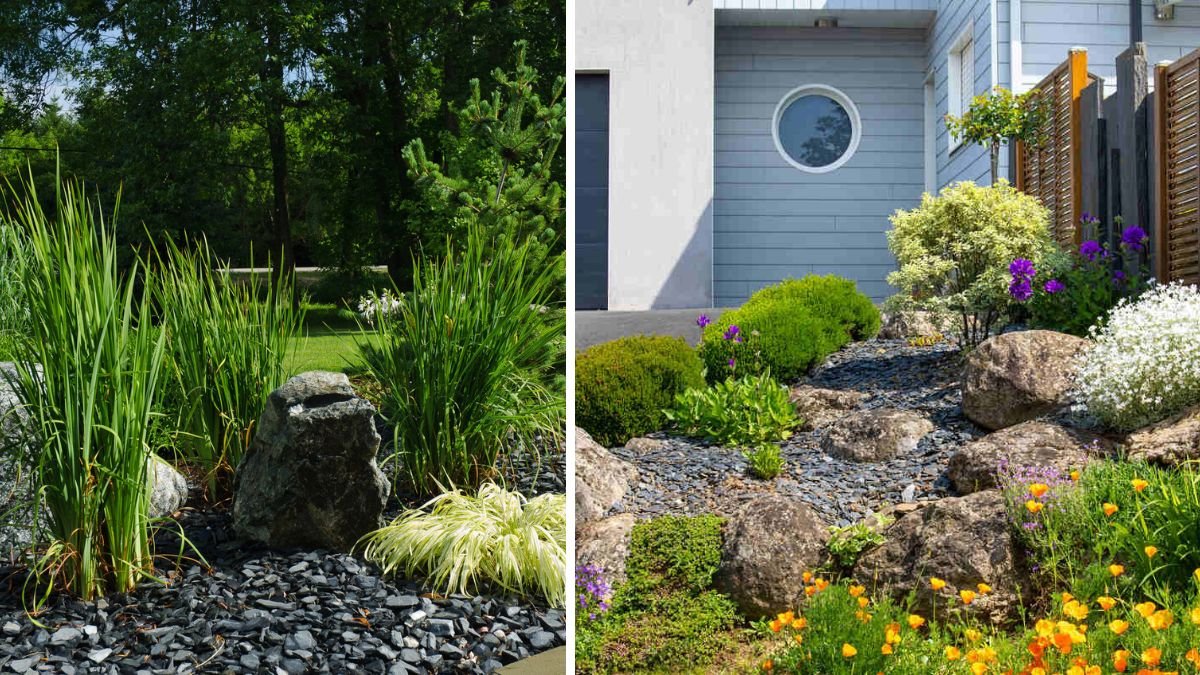
Creating a low water landscape is not only beneficial for the environment, but it can also enhance the aesthetic and sustainability of your home. As water scarcity becomes an increasing concern worldwide, adopting water-efficient gardening practices is now more important than ever. Below are some simple strategies to design a beautiful low water landscape that conserves resources and promotes ecological health.
1. Choose Native Plants
Understanding Native Plants
Native plants are those that have naturally adapted to the local environment over time. They require minimal maintenance, particularly watering and fertilization, making them ideal for low-water landscapes.
Benefits
- Drought Tolerance: Native plants are generally more drought-resistant than non-native varieties.
- Local Wildlife Support: These plants provide essential habitat and food for local wildlife, including birds, bees, and butterflies.
- Soil Compatibility: They thrive in local soil conditions, reducing the need for amendments and irrigation.
Suggestions
Some native plants to consider include:
- California Poppy (Eschscholzia californica)
- Black-eyed Susan (Rudbeckia hirta)
- Purple Coneflower (Echinacea purpurea)
2. Implement Xeriscaping Techniques
What is Xeriscaping?
Xeriscaping is a landscaping philosophy designed to minimize water usage. It includes various practices intended to create visually appealing landscapes that require little or no irrigation.
Key Strategies
- Soil Improvement: Amend soil to improve drainage and moisture retention. Organic matter such as compost can enhance soil structure.
- Group Planting: Plant drought-tolerant plants together to create microclimates and reduce competition for water.
- Use of Mulch: Organic mulches like bark chips or straw help retain moisture and reduce weed growth.
3. Plan for Efficient Water Use
Smart Irrigation Techniques
While aiming for a low water landscape, some irrigation will often be necessary, especially for newly planted areas. Employing smart irrigation techniques can optimize water use.
Methods
- Drip Irrigation: A drip irrigation system delivers water directly to the roots of plants, minimizing evaporation and wastage.
- Soaker Hoses: These porous hoses can be laid throughout the garden to give a slow, consistent moisture release.
- Rain Barrels: Collect rainwater from gutters to use during drier periods instead of relying purely on municipal water sources.
4. Create a Functional Landscape Design
Layout Considerations
An effective landscape design can significantly reduce water usage and enhance visual appeal.
- Design Zones: Arrange plants based on their water needs. Group high-water plants together in areas easier to irrigate, while placing low-water plants in dryer zones.
- Hardscaping Elements: Incorporate paths, patios, and decorative stonework to reduce the size of grassy areas and improve the utility of your landscape.
- Use of Contours: Planting on slopes and contours can allow for natural water flow, helping to retain moisture where it’s most needed.
5. Encourage Diversity
Biodiversity Importance
A diverse landscape is more resilient and can withstand pests and diseases better than monocultures.
Plant Selection
- Mix different types of plants, including perennials, grasses, shrubs, and ornamental plants to create layers and varied textures.
- Incorporate edible plants such as fruit trees and herbs, which can thrive with less water and provide food.
6. Add Water-Saving Features
Water Features
Including water-saving features can both enhance aesthetics and play a role in water conservation.
- Rain Gardens: Shallow, planted depressions that can absorb rainwater and runoff, reducing erosion and promoting groundwater recharge.
- Bioswales: Landscaped channels designed to capture and manage stormwater runoff, these can help filter pollutants while managing water resources effectively.
7. Maintain Regularly
Importance of Maintenance
Regular maintenance is key to ensuring that your landscape remains low-water and visually appealing.
- Pruning: Regular pruning promotes healthy growth and can help eliminate over-watered areas.
- Monitoring: Keep an eye on plant health and make adjustments as needed—sometimes, a low-water plant may still need some extra care during exceptionally dry periods.
8. Educate Yourself and Others
Continuous Learning
Staying informed about best practices and innovative water conservation techniques can enhance your landscape.
- Join Local Gardening Clubs or Workshops: Engaging with others can share tips and insights regarding low-water gardening.
- Online Resources: Many organizations provide information, including local cooperative extension services and native plant societies.
Conclusion
Designing a low-water landscape doesn’t mean sacrificing beauty—it offers an opportunity to create a vibrant, sustainable outdoor space that conserves valuable resources. By selecting native plants, implementing xeriscaping techniques, and creating a functional design, you can achieve a stunning garden that thrives with minimal water. With a little planning and care, you can contribute to environmental conservation while enhancing your outdoor living space.
FAQs
1. What is the primary benefit of using native plants in landscaping?
Native plants are well adapted to local climate and soil conditions, requiring less water and maintenance, and they also support local wildlife.
2. How often should I water my low-water landscape?
This can vary based on plant selection and weather conditions, but generally, early morning or late afternoon watering a few times a week is ideal. Newly planted areas may need more frequent watering until established.
3. Can I use lawn areas in a low-water landscape?
Yes, you can have lawn areas, but consider using drought-tolerant grass varieties and limit lawn size to reduce overall water usage.
4. Are there any specific irrigation systems recommended for low-water landscaping?
Drip irrigation and soaker hoses are highly recommended since they provide targeted watering and minimize evaporation.
5. What role does mulch play in low-water landscaping?
Mulch helps retain soil moisture, suppress weeds, and improve soil quality as it decomposes. Using a 2-3 inch layer can make a significant difference.
By employing these strategies and becoming more mindful of water usage, you can create a stunning and sustainable low-water landscape that conserves this precious resource for future generations.