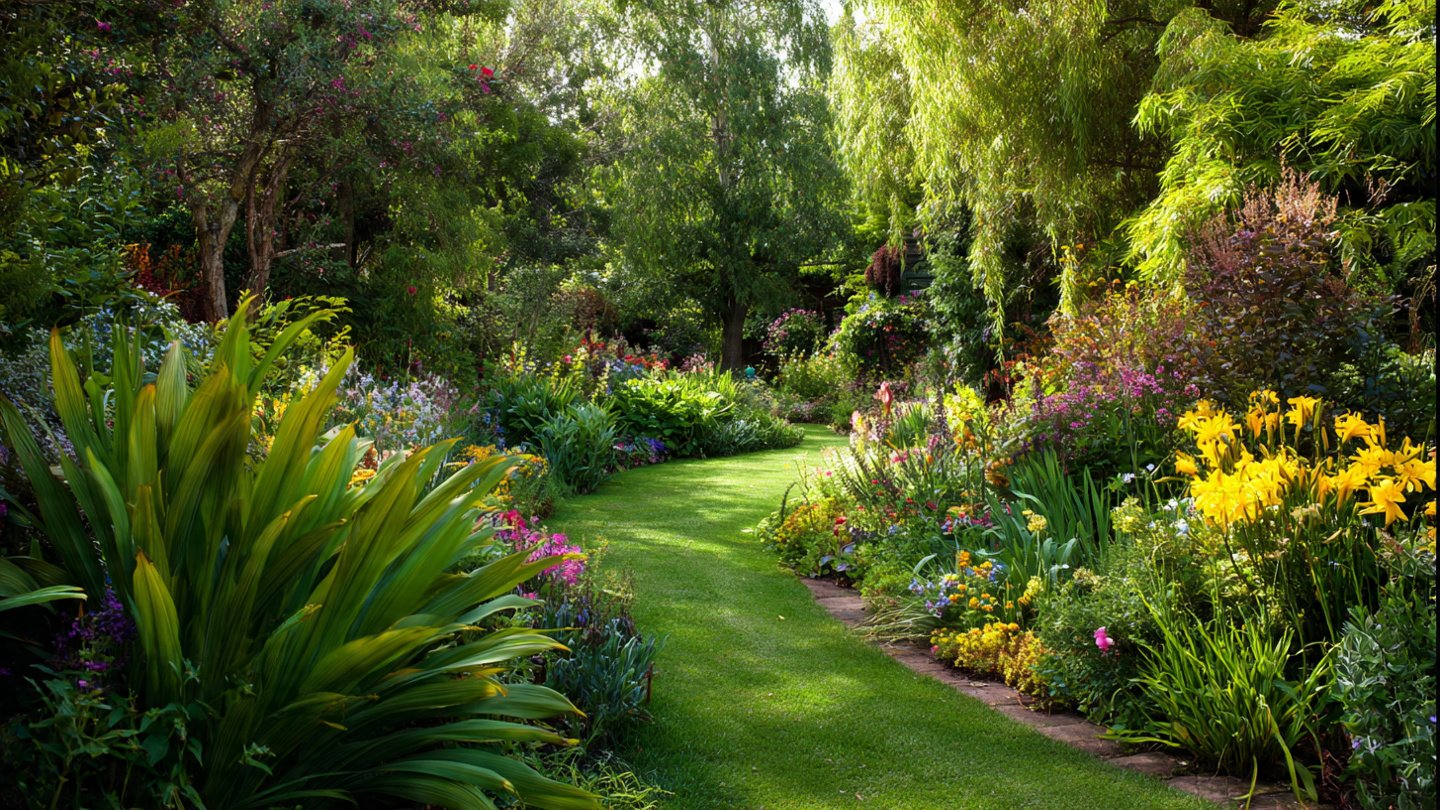
Creating a vibrant garden is more than just planting flowers; it’s about creating a balanced and harmonious blend of foliage and flowering plants. By understanding how to combine these two elements, you can develop a garden that is not only beautiful but also teeming with life. In this article, we will explore simple yet effective strategies for combining foliage and flowers to create a garden that bursts with color, texture, and interest throughout the seasons.
Understanding Foliage and Flowers
Foliage Plants
Foliage plants are primarily valued for their leaves and structures. They provide a lush backdrop to flower plants and serve as the foundation of your garden’s aesthetic. Foliage can be bold and tropical, delicate and feathery, or varied in texture and color. Some popular foliage plants include:
- Hostas: Known for their large, ornamental leaves, hostas thrive in shade and add a lush feel to gardens.
- Ferns: Versatile and hardy, ferns are ideal for providing soft textures and can thrive in shady areas.
- Heuchera: With their vibrant foliage colors ranging from burgundy to chartreuse, heucheras are perfect for adding dimension.
Flowering Plants
Flowering plants bring bursts of color and highlight the beauty of your garden. They can vary greatly in shape, size, and bloom time. Common flowering plants include:
- Roses: A classic choice, roses offer elegant blooms and a variety of colors.
- Daylilies: Known for their prolific blooms and hardiness, daylilies add bright and cheerful colors to gardens.
- Lavender: Not only fragrant, but lavender also attracts pollinators, enhancing the ecological value of your garden.
Combining these two categories creates an engaging visual contrast, making your garden a dynamic living space.
Strategies for Combining Foliage and Flower Plants
1. Focus on Color Harmony
Color theory plays a vital role in garden design. When choosing foliage and flowering plants, consider the color palette:
- Complementary Colors: Pair warm foliage tones—such as red or orange—with cooler flower colors like blue or violet to create vibrant contrasts.
- Analogous Colors: Use foliage and flowers that are next to each other on the color wheel, such as blue flowers with blue-green foliage, for a more harmonious look.
2. Select Varied Textures
Foliage plants come in a range of textures, from smooth to rough, while flowers also offer diversity in petal structure. Mixing different textures can add interest and depth to your garden:
- Smooth and Rough: Combine smooth-leaved plants like boxwood with textured leafy plants like lamb’s ear for a captivating contrast.
- Tall and Short: Layer high foliage plants against taller flowering varieties to create a multi-dimensional look.
3. Use Seasonal Interest
One of the joys of gardens is their ever-changing nature. Choose plants that bloom in different seasons or have varied foliage colors throughout the year:
- Early Bloomers: Consider planting daffodils or tulips for early spring blooms and complement with lush green foliage.
- Summer Varieties: Use sprawling perennials like coneflowers alongside bold foliage from hostas or ornamental grasses.
- Autumn Foliage: Incorporate plants like Japanese maples that change color, providing visual interest when flowering plants fade.
4. Layer Your Plants
Layering involves planting taller flowers behind lower foliage to create depth. This technique can make your garden appear fuller and more inviting. When layering:
- Background: Use tall plants, such as delphiniums or hollyhocks, in the back.
- Mid-ground: Plant medium-height flowers like daisies or phlox in the center.
- Foreground: Low-growing foliage plants, like creeping thyme, can occupy the front of the garden bed.
5. Emphasize Focal Points
Create focal points in your garden using flowering plants that produce stunning blooms. Pair these eye-catching flowers with lush greenery to enhance their visual impact:
- Containers: Use pots with vibrant flowers placed near evergreen foliage to create temporary focal points.
- Arches and Trellises: Consider climbing flowering plants like clematis against a strong foliage backdrop to draw the eye upward.
6. Grouping Plants
Planting in groups rather than single specimens can create more impact and make it easier to maintain a cohesive color palette. This technique can be applied to both foliage and flowering plants:
- Mass Planting: Plant several of the same kind of flower together for dramatic effect (e.g., a mass of purple salvia).
- Intersperse Foliage: Mix in lower-growing foliage around these groups for a more layered look.
7. Incorporate Edible Plants
Combining edible plants with ornamental varieties can create a stunning and functional garden. Many herbs also have beautiful foliage, such as basil or chard, which can be equally decorative and edible:
- Herb Borders: Use culinary herbs like rosemary and sage within flower beds to add both texture and fragrance.
- Fruit Plants: Incorporate berry bushes alongside flowering plants for a pop of color and a productive garden.
Maintenance Tips for a Harmonious Garden
1. Regular Pruning
Routine pruning of both foliage and flowering plants helps maintain shape, encourages new growth, and improves air circulation.
2. Fertilization
Using appropriate fertilizers will nourish your plants and encourage flourishing growth. Focus on organic fertilizers to keep your garden healthy.
3. Pest Management
Being vigilant about pests and diseases is essential for maintaining garden vigor. Consider using natural pest deterrents like neem oil or introducing beneficial insects like ladybugs.
4. Seasonal Cleanup
Fall cleaning can help prepare the garden for winter. Removing spent blooms and dead foliage helps prevent disease and prepares the soil for spring planting.
Creating a Harmonious Garden
Combining foliage and flowering plants is an opportunity for creative expression and design. By understanding the characteristics and attributes of each plant, selecting color palettes, and employing layering techniques, your garden can flourish with vibrant life.
To get started, take note of your garden’s sunlight, shade, moisture levels, and soil type. Use this knowledge as a base to choose the right plants. Don’t be afraid to experiment with different combinations to find what suits your vision best.
FAQs
1. How do I know which plants will thrive together?
Consider factors such as sunlight, soil conditions, and moisture levels. Plants with similar care requirements are more likely to thrive when planted together.
2. Can I mix annuals and perennials?
Yes, mixing annuals and perennials can create continuous blooms and a dynamic landscape. Annuals provide immediate color, while perennials establish root systems over time.
3. What’s the best time to plant foliage and flowering plants?
Spring and fall are generally the best times for planting, as temperatures are conducive to root development. However, specific plants may have optimal planting times, so always check individual plant requirements.
4. How can I attract pollinators to my garden?
Incorporate a variety of flowering plants that bloom at different times, as well as plants that are native to your area. Avoid pesticides and consider larger groups of flowers for better attraction.
5. How can I maintain year-round interest in my garden?
Choose a diverse range of plants with varying bloom times and interesting foliage. Include evergreens, ornamental grasses, and plants with vibrant autumn colors for ongoing seasonal interest.
By focusing on these approaches, you can create a harmonious blend of foliage and flowers that not only beautifies your space but also brings joy and tranquility year-round. Happy gardening!