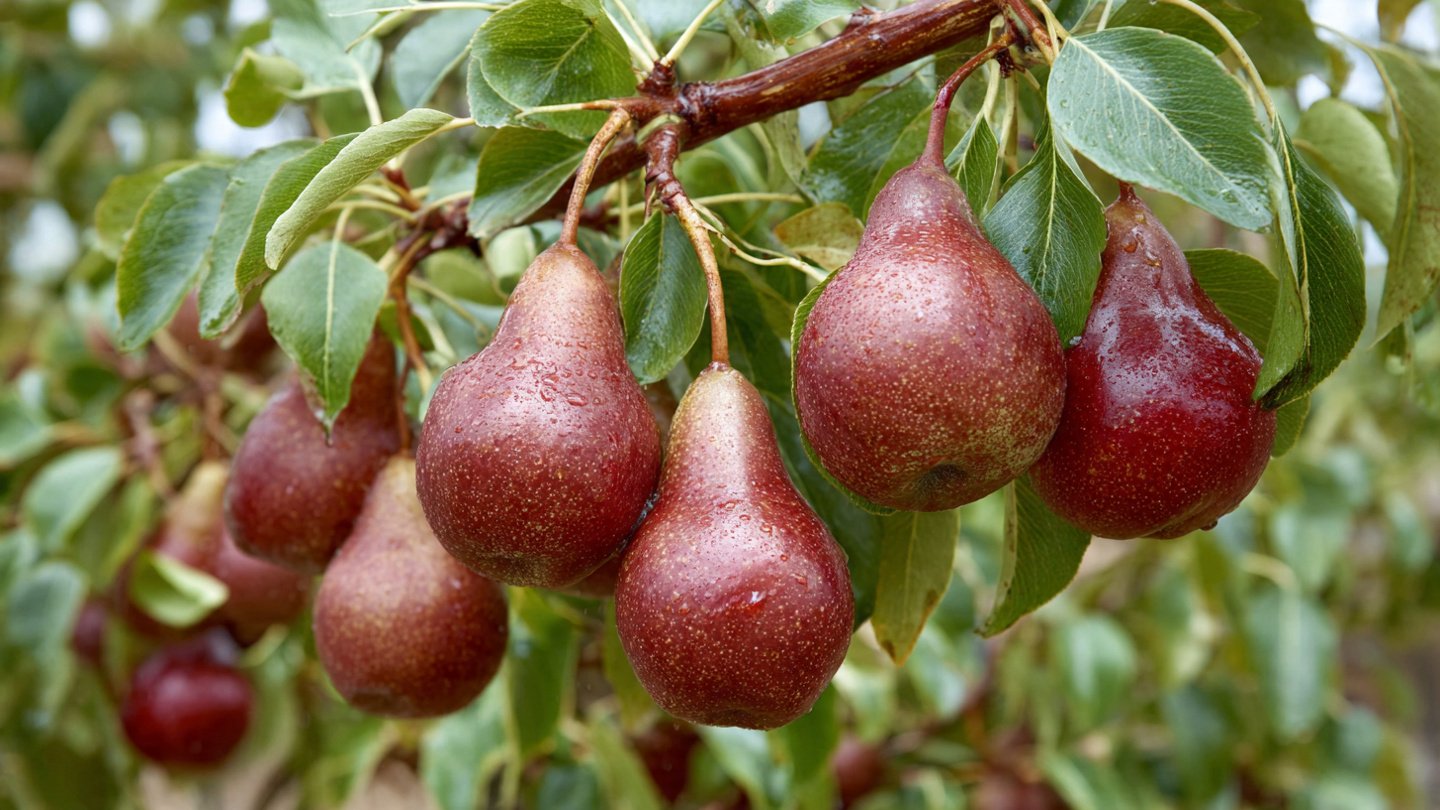
Growing pears can be a gratifying experience, offering delicious fruit that can be enjoyed fresh, in desserts, or preserved for later use. However, many gardeners often find themselves waiting for years before their trees yield a substantial harvest. If you’re keen on speeding up your pear harvest and ensuring quick and abundant fruiting, this article will guide you through essential techniques and strategies.
Understanding the Pear Tree Lifecycle
Before jumping into ways to accelerate your pear harvest, it’s crucial to understand the lifecycle of a pear tree. Generally, pear trees start producing fruit between 3 to 6 years after planting. However, various factors influence this timeline, including the tree variety, environmental conditions, and care provided.
1. Choose the Right Variety
Selecting the right variety of pear is pivotal for a faster harvest. Some varieties are known for quicker fruit production than others. Here are a few beneficial options:
- Bartlett Pear: Known for its sweet flavor, it typically produces fruit within three to four years.
- Bosc Pear: This variety can bear fruit in about four years and is highly sought after for its unique texture.
- Seckel Pear: This small fruit is sweet and often ready for harvest by the third year.
Research different varieties and choose those that align with your growing conditions for faster results.
2. Optimal Planting Time
Planting your pear trees at the right time significantly influences the speed of fruiting.
- Spring Planting: It’s advisable to plant pears in early spring after the last frost. This timing helps the tree establish itself before the growing season kicks in.
- Fall Planting: In milder climates, fall planting can also be effective as it allows the tree to develop roots over the winter season.
3. Soil Preparation
The foundation of any successful garden lies in healthy soil. Pear trees thrive in well-draining soils rich in organic matter. Here’s how to prepare your soil effectively:
- Soil Testing: Conduct a soil test to determine pH levels and nutrient content. Pear trees prefer a slightly acidic to neutral pH (around 6.0 to 7.0).
- Amend Organic Matter: Mix good quality compost or well-rotted manure into the soil to enhance nutrient levels and drainage.
4. Adequate Spacing
When planting pear trees, ensure you provide adequate spacing. Overcrowding can hinder their growth and fruiting capacity. Generally, a spacing of 12-15 feet between trees is ideal, allowing for proper air circulation and sunlight penetration.
5. Proper Watering Techniques
Water stress is one of the primary reasons fruit trees fail to produce regularly. Pear trees require consistent moisture, especially during their initial years. Here are a few tips on effective watering:
- Consistent Watering: Water the trees deeply during dry spells, ensuring that the soil remains moist but not waterlogged.
- Mulching: Apply a layer of organic mulch around the base of the tree to help retain moisture and regulate soil temperature.
6. Fertilization
Fertilizing your pear trees appropriately is essential for encouraging rapid growth and fruiting.
- Time of Year: Fertilizing in early spring as the tree begins to grow is the most effective. Be cautious not to over-fertilize, as this can lead to excessive leaf growth at the expense of fruit development.
- Organic Fertilizers: Utilizing organic fertilizers like fish emulsion, blood meal, or compost can provide a balance of nutrients essential for healthy tree growth.
7. Pruning for Productivity
Pruning is a crucial aspect of pear tree maintenance and can directly impact fruit production. Learning how and when to prune can significantly enhance your harvest.
- Timing: Prune your pear trees during the dormant season, preferably in late winter or early spring.
- Techniques: Focus on removing dead or diseased branches, thinning out crowded areas, and shaping the tree for better sunlight access. By encouraging an open canopy, more sunlight can reach the branches, improving fruit quality and quantity.
8. Pest and Disease Management
Healthy trees are more likely to bear fruit. Therefore, implementing effective pest and disease management practices is essential:
- Natural Predators: Encourage the presence of beneficial insects like ladybugs and lacewings that control pest populations naturally.
- Regular Inspection: Regularly check for signs of pests or diseases. Early detection can prevent larger problems down the line.
9. Pollination Practices
Pears are often not self-pollinating, requiring cross-pollination from another pear variety for successful fruiting.
- Choosing Partners: Plant two or more compatible varieties within proximity to improve pollination efficiency.
- Flowering Synchronization: Ensure that the varieties bloom around the same time to enhance cross-pollination.
10. Patience and Observation
After implementing these techniques, be patient and observe your trees. Regularly monitor their growth, checking for signs of distress or nutrient deficiencies. Gardening is an art that requires attention and flexibility.
FAQs
1. How long does it take for a pear tree to produce fruit?
Typically, pear trees begin to bear fruit between 3 to 6 years after planting, depending on the variety and growing conditions.
2. What is the best time to plant a pear tree?
The best time to plant pear trees is in early spring after the last frost or in the fall for milder climates, allowing for root establishment before winter.
3. Can I grow pear trees in containers?
Yes, many dwarf varieties are suitable for container growth, but they will need sufficient sunlight and care to produce fruit.
4. How often should I water my pear trees?
Water young pear trees deeply during dry spells, ensuring the soil is kept moist but not waterlogged.
5. What are the signs of a nutrient deficiency in pear trees?
Common signs include yellowing leaves, poor growth, and inadequate fruit production. A soil test can help diagnose specific deficiencies.
6. Can I prune my pear tree in the summer?
While it’s best to prune in late winter or early spring, light summer pruning can be done to remove excessive growth or damaged branches.
7. What pests should I watch for on pear trees?
Common pests include aphids, pear psylla, and codling moths. Regular monitoring and employing integrated pest management practices can help control them.
8. Do I need to fertilize my pear tree every year?
Fertilization needs vary; typically, it’s recommended to fertilize young trees annually in early spring. Older trees may need less frequent applications based on soil health.
By implementing these essential strategies and caring for your pear trees attentively, you can accelerate your harvest and enjoy the fruits of your labor sooner than you might expect. Remember, each tree is unique, so flexibility and keen observation will help you adapt these tips to achieve the best results. Happy gardening!